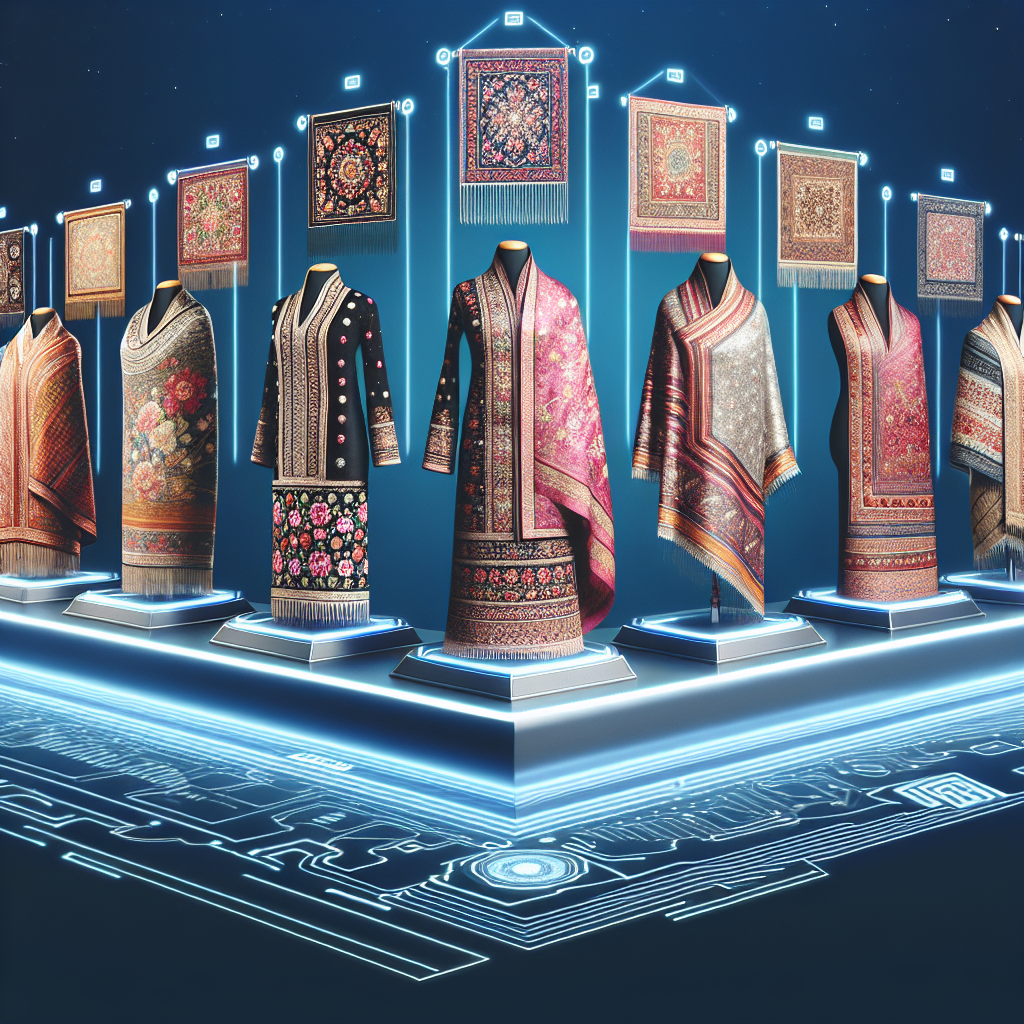

If you're searching for the soul of sophistication and warmth woven into one artful creation, look no further than the famous Kashmir shawl. Originating from the lush valleys of Kashmir, India, these beautiful pieces have been enchanting wearers since the 15th century. They are often crafted meticulously by skilled artisans who spend months, sometimes years, creating a single piece. The shawls are made from fine Pashmina wool, a material derived from the soft undercoat of the Changthangi goat found in the high altitudes of the Himalayas. What sets a Kashmir shawl apart is its intricacy and cultural importance, which resonate far beyond its geographic roots.
Owning a Kashmir shawl means holding a piece of history in your hands. They've always been synonymous with luxury and high fashion, capturing the attention of royals and fashionistas alike throughout the centuries. The Mughals, who ruled India from the 16th to the 19th centuries, are especially credited with popularizing these shawls. Under Emperor Akbar's reign, they became a symbol of nobility. The appeal of Kashmir shawls was not limited to India and extended globally by the 18th century. They became so popular in Europe that emperors and empresses made these garments a symbol of opulence.
The process of creating a Kashmir shawl is a fine blend of artistry and tradition. It is an eco-friendly piece of fashion, often created using age-old techniques. Techniques like kani and needlework known as sozni are painstakingly employed to bring patterns to life. The dyeing process involves using natural elements, keeping the rich history and cultural significance intact. Each shawl is a masterpiece—unique and telling a story of its own.
However, understanding Kashmir shawls isn't complete without acknowledging the authentic challenges tied to them. There’s an intricate web of socio-political complexities in the region, often affecting the artisans' livelihood and sanctions on trade. Handloom workers face an onslaught of cheap, machine-made replicas flooding the market, which threatens the authenticity and economic sustainability of the shawl-making industry. Imagine putting your heart and soul into a shawl, only for its perceived value to be diminished by knockoffs. These are real challenges the craftsmen face.
From one lens, you see the sheen of the social status a Kashmir shawl brings. Yet, it’s vital to glance through the other perspective—supporting ethical production and fair trade practices that empower the artisans behind these exquisite works. A Kashmir shawl purchased from fair-trade sources supports the cultural heritage and economy of the Kashmir region.
For Gen Z, this presents an opportunity to embrace sustainable and ethical fashion, standing against fast fashion trends while exhibiting a timeless piece. It's about choosing not just a garment but a statement that aligns with values around ethics, sustainability, and appreciation for cultural heritage. Modern buyers have the power to make informed decisions, acting as catalysts of change.
On a lighter note, imagine having a piece that’s not only functional in keeping you warm but is also a conversation starter! Whether draped gracefully over an evening dress or casually wrapped around a pair of jeans and a t-shirt, the Kashmir shawl brings elegance and sophistication effortlessy to any ensemble.
The resurgence of traditional crafts reflects a growing desire in the younger generation to connect with authenticity. In a world dominated by technology and fast-paced trends, turning toward heritage pieces lectures us in diversity and respect. If narratives like these speak to you, maybe the next fashion-conscious decision is to pick up a shawl that not only hugs you with warmth and style but marks your stand on critical global issues.
The Kashmir shawl, in essence, welcomes you to a realm where history, art, fashion, and ethical consciousness converge. While engaging with a shawl’s intricate design, remember it's more than how beautifully a piece of fabric adorns you. It’s how you contribute to shaping the narrative that transcends time, to bring about awareness and respect for craftsmanship that deserves to thrive.