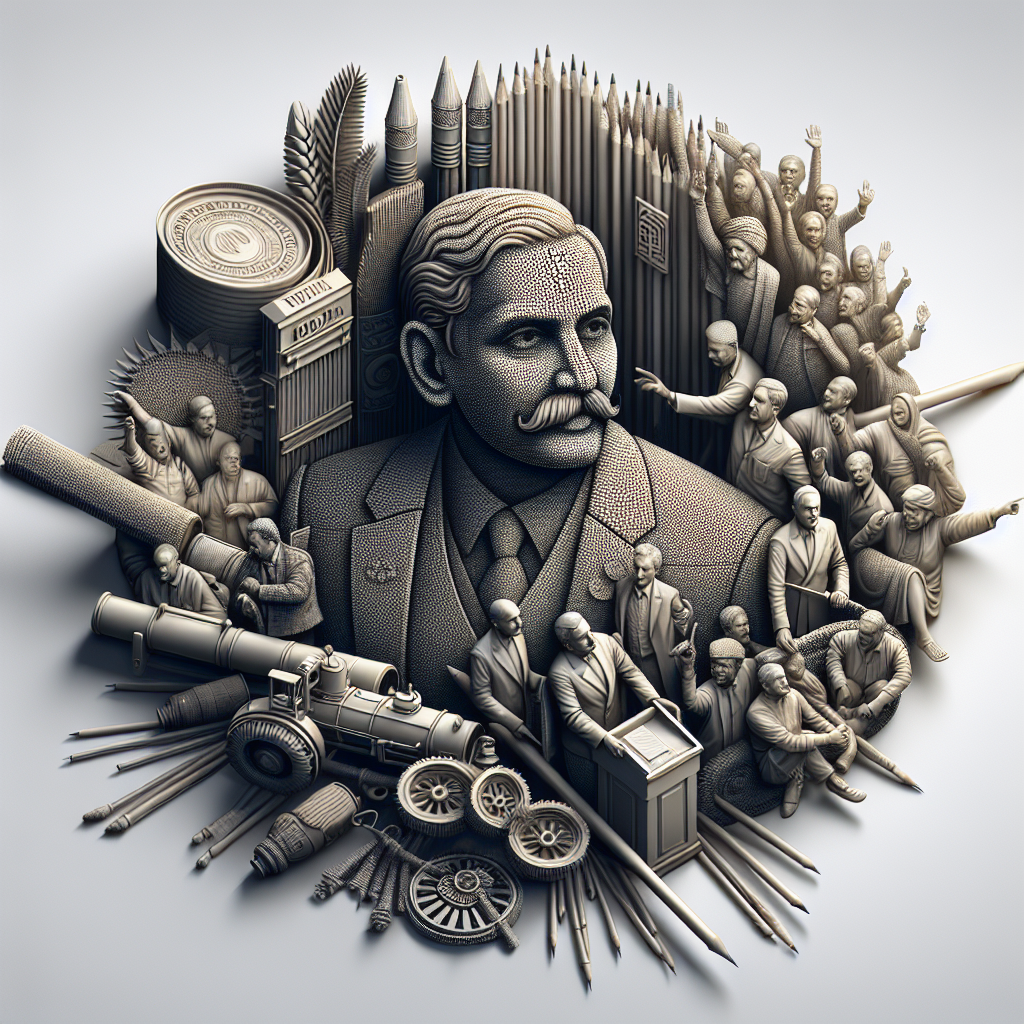

The Legacy of K. Avukader Kutty Naha: A Political Pioneer
Imagine a political landscape where a single individual can inspire change and leave a lasting legacy. K. Avukader Kutty Naha was one such figure in Indian politics. Born in 1920 in the Malabar region of Kerala, India, Naha was a prominent leader of the Indian Union Muslim League (IUML). His political career spanned several decades, during which he played a crucial role in shaping the political discourse in Kerala. Naha's influence was particularly significant during the 1960s and 1970s, a period marked by political upheaval and social change in India. His dedication to his community and his efforts to promote communal harmony made him a respected figure across the political spectrum.
Naha's political journey began in the early 1940s when he joined the Muslim League, a party that was instrumental in advocating for the rights of Muslims in India. At a time when the country was grappling with the challenges of post-independence nation-building, Naha emerged as a voice of reason and moderation. He was known for his ability to bridge divides and foster dialogue between different communities. This was particularly important in Kerala, a state known for its diverse population and complex social fabric.
Throughout his career, Naha held various positions within the IUML and the Kerala state government. He served as a Member of the Legislative Assembly (MLA) and held ministerial positions, including the Minister for Local Administration. His tenure in these roles was marked by efforts to improve infrastructure, education, and healthcare in the state. Naha was also a strong advocate for the empowerment of marginalized communities, including women and the economically disadvantaged.
One of Naha's most significant contributions was his role in promoting communal harmony in Kerala. At a time when communal tensions were high in many parts of India, Naha worked tirelessly to ensure that Kerala remained a beacon of peace and coexistence. He believed that dialogue and understanding were key to resolving conflicts and building a more inclusive society. His efforts in this regard earned him respect not only from his political allies but also from his opponents.
While Naha's contributions to Kerala's political landscape are widely acknowledged, it's important to consider the perspectives of those who may have disagreed with him. Some critics argue that the IUML's focus on religious identity politics could have potentially alienated other communities. However, Naha's approach was always one of inclusivity and cooperation. He understood the importance of balancing the interests of different groups and worked to ensure that the IUML's policies were in line with the broader goals of social justice and equality.
Naha's legacy continues to influence Kerala's political scene today. His commitment to communal harmony and social justice serves as a reminder of the importance of empathy and understanding in politics. For the younger generation, particularly Gen Z, Naha's life and work offer valuable lessons in leadership and the power of dialogue. In a world that often seems divided, his example shows that it is possible to build bridges and work towards a more inclusive future.
As we reflect on the life of K. Avukader Kutty Naha, we are reminded of the impact that one individual can have on society. His dedication to his community and his efforts to promote peace and understanding continue to inspire those who seek to make a difference in the world. Naha's story is a testament to the power of empathy, dialogue, and the enduring legacy of a true political pioneer.