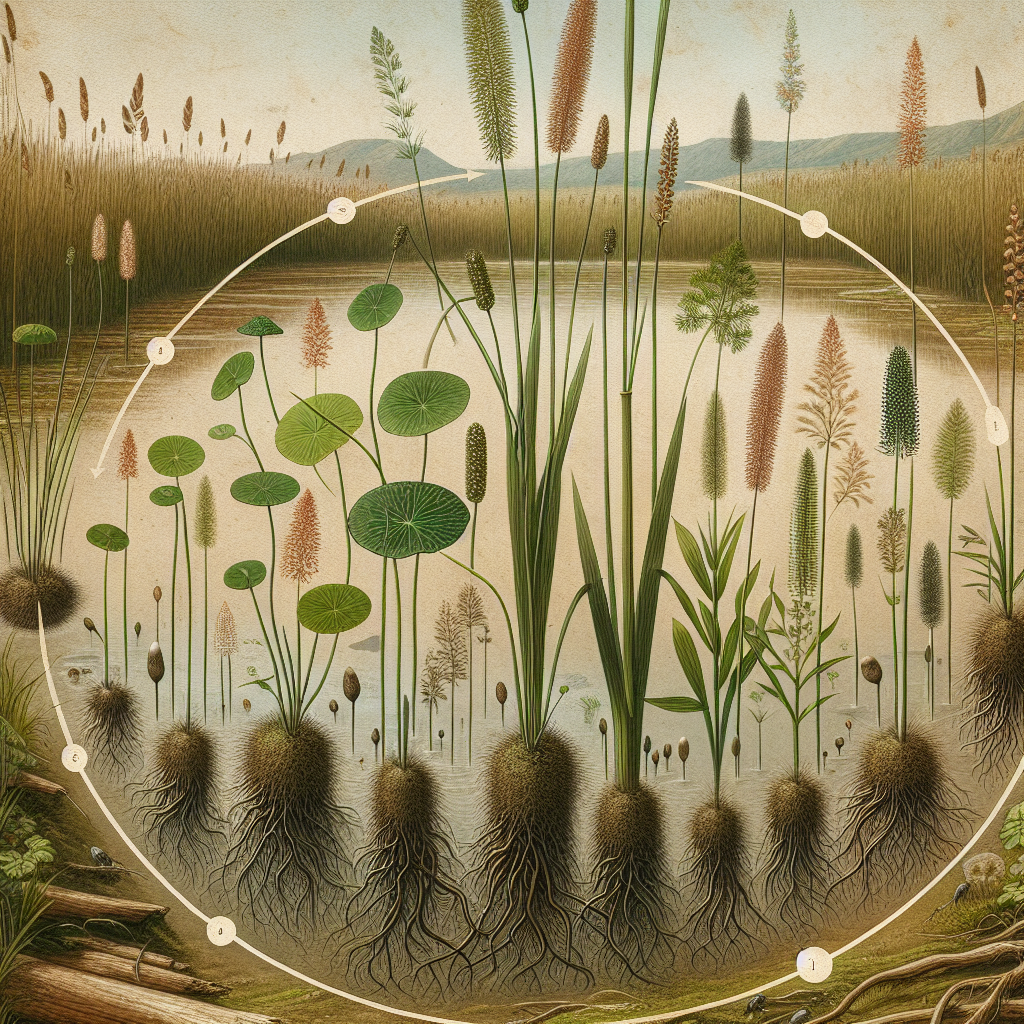

The Curious Case of Juncus Subnodulosus: A Plant with a Purpose
Imagine a plant that thrives in the soggy, marshy wetlands of Europe, quietly playing a crucial role in its ecosystem. Meet Juncus subnodulosus, commonly known as the blunt-flowered rush. This unassuming plant is a perennial rush species that can be found in the damp meadows and fens across the United Kingdom and other parts of Europe. It has been around for centuries, adapting to the wetland environments and supporting biodiversity in these unique habitats.
Juncus subnodulosus is not just any plant; it is a vital component of its ecosystem. It provides habitat and food for a variety of wildlife, including insects and birds. The plant's dense clumps offer shelter and nesting sites, while its seeds and shoots serve as nourishment. This makes it an essential player in maintaining the delicate balance of wetland ecosystems. Wetlands themselves are crucial for water purification, flood control, and carbon storage, making the presence of Juncus subnodulosus even more significant.
However, the existence of Juncus subnodulosus is not without challenges. Wetlands are under threat from human activities such as agriculture, urban development, and climate change. These activities lead to habitat loss and degradation, putting pressure on the species that depend on these environments. The drainage of wetlands for agricultural use, in particular, has been a significant factor in the decline of wetland habitats. This has sparked a debate between conservationists and those who prioritize economic development.
Conservationists argue that preserving wetlands and their native species like Juncus subnodulosus is essential for maintaining biodiversity and ecosystem services. They emphasize the importance of sustainable land management practices that balance human needs with environmental protection. On the other hand, some landowners and developers argue that economic growth and food production are priorities that sometimes necessitate the conversion of wetlands into arable land.
The conversation around Juncus subnodulosus and wetland conservation is a microcosm of the broader environmental debate. It highlights the need for policies that consider both ecological and economic factors. Finding a middle ground is crucial, as it allows for the protection of vital ecosystems while also addressing human needs. This could involve creating incentives for landowners to preserve wetlands or implementing stricter regulations on land use changes.
For Gen Z, who are increasingly aware of environmental issues, the story of Juncus subnodulosus serves as a reminder of the interconnectedness of nature and human activity. It underscores the importance of advocating for sustainable practices and supporting policies that protect our planet's natural resources. As the generation that will inherit the consequences of today's decisions, Gen Z has a unique opportunity to influence the future of environmental conservation.
In the end, the tale of Juncus subnodulosus is more than just about a plant. It's about the choices we make and the values we hold as a society. It's about recognizing the importance of every species, no matter how small or seemingly insignificant, in the grand tapestry of life. And it's about ensuring that future generations can enjoy the beauty and benefits of a thriving, diverse planet.