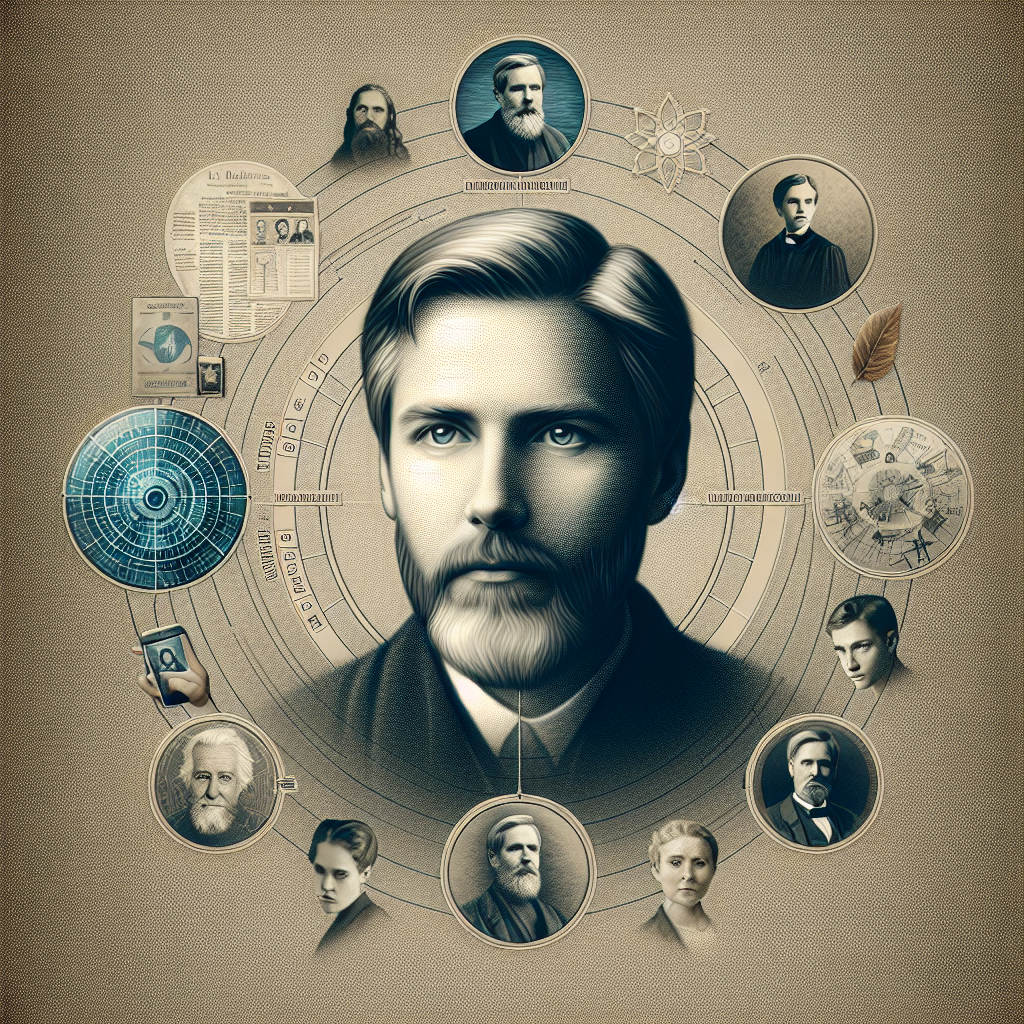

John M. Pinckney, a name that might sound like an old Western movie character, was indeed a prominent figure in Texan history. Born in 1845, Pinckney's story is both riveting and defining of the political landscape of his time. As a congressman from Texas, his life paints a vibrant picture of the 19th-century political scene and its challenges. Representing a time when political tensions were high and the transition from civil war ideologies still loomed large, Pinckney served in the United States House of Representatives from 1903 to 1905.
Texas during the late 1800s was a blend of old traditions and the winds of change, and Pinckney was right in the thick of it. He hailed from a family steeped in local politics, which set the stage for his later endeavors. Serving during a time when America was grappling with industrialization and the aftermath of the Civil War, Pinckney was thrust into a world of juxtaposed ideals. While he held traditional views that resonated with many of his constituents, he also had to face the demands for progressivism that were starting to carve their way through American society.
He was a staunch Democrat, a party heavily influenced by Southern sympathies in the years following the Civil War. This often placed him in opposition to newer political waves such as Republican-driven Reconstruction efforts. Such dynamics meant that Pinckney often found himself in contentious political waters, having to straddle the line between maintaining favor with his voter base and addressing the nationwide call for reform.
One of the most significant aspects of Pinckney's political stance was his emphasis on states' rights. In an era when federal oversight was on the rise, many Southern politicians like Pinckney advocated for more localized governance. This debate between federal and state powers is a timeless one, reflected in modern dialogues concerning regional autonomy and governance.
His time in Congress was relatively short, but in those two years, he remained committed to the vision of fostering growth within his state. Some argued that his focus on regional interests came at the cost of being able to fully support nationwide policies that were beginning to reshape America. Critics might see this as short-sighted, particularly as the 20th century ushered in unparalleled economic and social changes.
Pinckney's life was not just marked by politics but also by the volatility that sometimes accompanies it. His career was tragically cut short when he was killed in an altercation in 1905, an event that shocked the nation and highlighted the intense passions and often-dangerous stakes involved in political life at that time.
While some might find it easy to critique his often old-school stance on many issues, it's vital to consider the cultural and political pressures he faced. Today's political terrain can sometimes feel like a mirror reflection, where leaders must carefully navigate the intricate dance of pleasing their base while addressing broader American concerns.
In learning about Pinckney, we see how history teaches that the complexities of governance are not new challenges. Politics, with its myriad players and diverse opinions, demands a balance between tradition and innovation. His life underscores the idea that while we progress, it's often through seeing the lingering shadows of the past and striving to reconcile them with the promises of tomorrow.
For those of us in more recent generations, figures like John M. Pinckney serve as reminders of the turbulent yet dynamic nature of political life. In seeing how these narratives of the past influence our present, we are better equipped to engage with the future. As much as things change, the rhythm of politics, with its ebbs and flows, seems to remain constant. Perhaps it is this continuity that urges us to learn more, delve deeper, and hopefully, grow wiser.