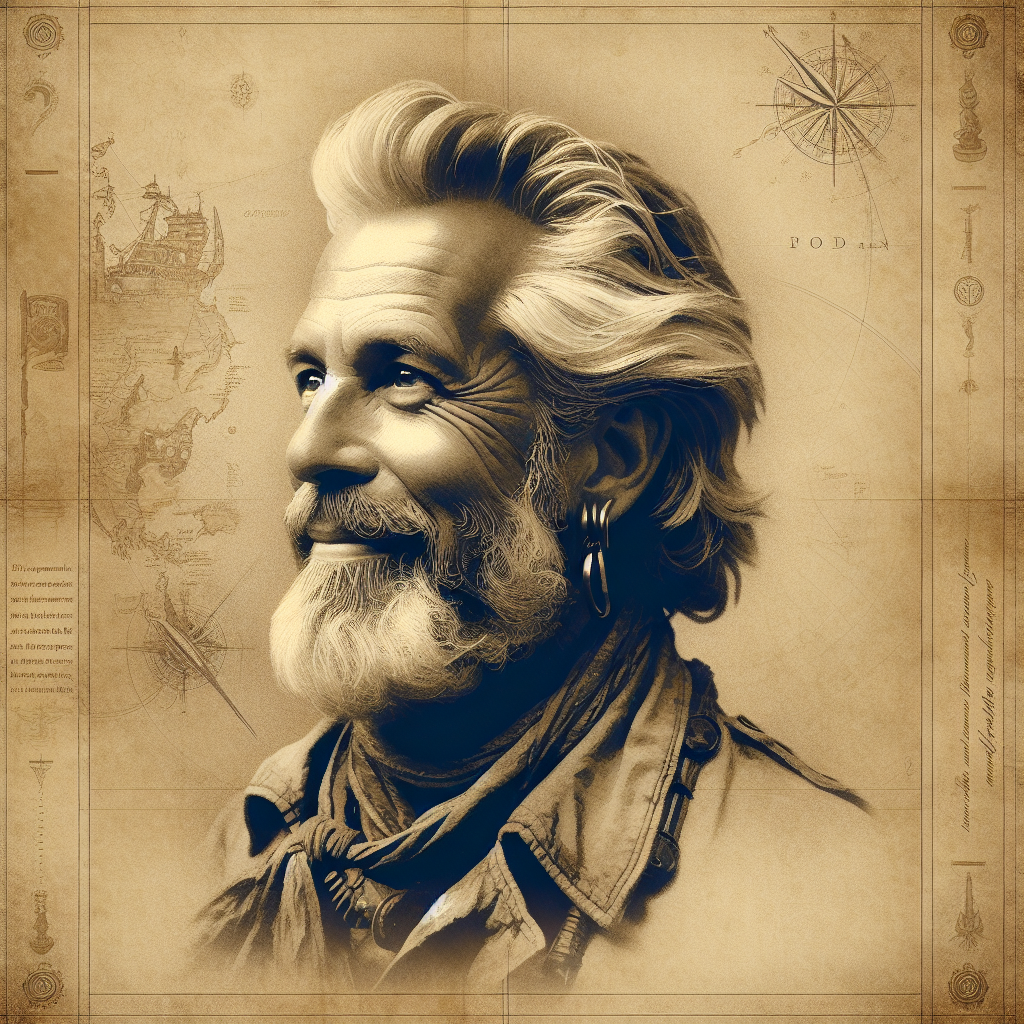

Joe Rohde isn’t your everyday imagineer. This larger-than-life visionary took the themes of exploration and conservation and wove them into imaginative theme parks that dazzle and educate millions each year. Born on September 10, 1955, in Sacramento, California, Rohde joined Walt Disney Imagineering in 1980—an entry point into a transformative journey. He's famous for leading the creation of Disney's Animal Kingdom, a task that pushed the boundaries of theme park experiences. But what makes Rohde so captivating is his commitment to authenticity and storytelling, combining art, architecture, and environment in ways that resonate with visitors on a deeper level.
Rohde's work isn’t just influential when it comes to Disney, though. He takes inspiration from real-world cultures and concerns. His projects often echo the global balance between human activity and environmental stewardship, an alignment that speaks to the eco-conscious ideals growing among younger generations. Animal Kingdom isn’t just home to thrill rides; it hosts a message. Stirring exhibits, architectural marvels, and themed zones push the narrative that conservation is not merely a choice but a necessity. It’s a conveniently packaged call to action while you’re waiting for the next safari ride.
His signature style can be found in detailed storytelling, authenticity, and immersive environments. Rohde didn’t just design places to get lost in; he created spaces filled with stories waiting to be discovered. Expedition Everest is a prime example, with its lore grounded in Himalayan myths and the intensity of adventure tourism. Here, not only do the tracks twirl and twist through jagged peaks, but every design aspect tells a story of the Yeti and the harshness of nature—a thrilling ride wrapped in narrative and cultural specificity.
What's especially compelling about Joe Rohde is his candidness. Unlike the secretive world often associated with Disney’s inner workings, Rohde’s openness about the creative process has inspired many. He believes in generosity in sharing knowledge—frequently discussing the conceptual underpinnings of his work and the complexities involved in bringing fictional worlds from sketch to reality. His retirement in early 2021 left a vacuum of candor in the industry.
Rohde’s ethos aligns with the politically liberal zeitgeist that prioritizes collaborative approaches and values creativity over rigid corporate directives. His resistance to mediocrity and his push for detailed authenticity offer a counter-narrative in a profit-driven world. Capitalism often cuts corners for cost, but Rohde’s career is proof that commitment to art and story can stand up to the trials of budget constraints.
Some critics might argue that Joe Rohde was simply riding the Disney wave of popularity, a small cog in a large, efficient machine. Yet this perspective dismisses the individuality of his contributions. Theme parks pre-Rohde versus post-Rohde demonstrate a stark difference in immersiveness and storytelling depth. His imprint is undeniable and enduring.
Rohde’s approach and principles extend to broader themes in life that resonate particularly with Gen Z—those concerned with authenticity, cultural appreciation, and ethical consumption. Today, more than ever, consumers want narratives that align with their values. This demographic is well-aware of how businesses can serve as both forces for good and contributors to global issues. Rohde’s work checks these boxes, reminding people of the potential to make a difference through well-executed creativity.
Joe Rohde may no longer craft the worlds that young dreamers get lost in on family trips, but his influence doesn’t end with retirement. He left a legacy of principles that continue to inspire and challenge future imagineers and artists. Rohde's belief in narrative sincerity and careful attention to detail remains a beacon for creative professionals aiming to craft experiences that do more than amuse—they evoke considerate reflection. His life’s work challenges us to ask how our own contributions can preserve, elevate, and honor the planet and culture.