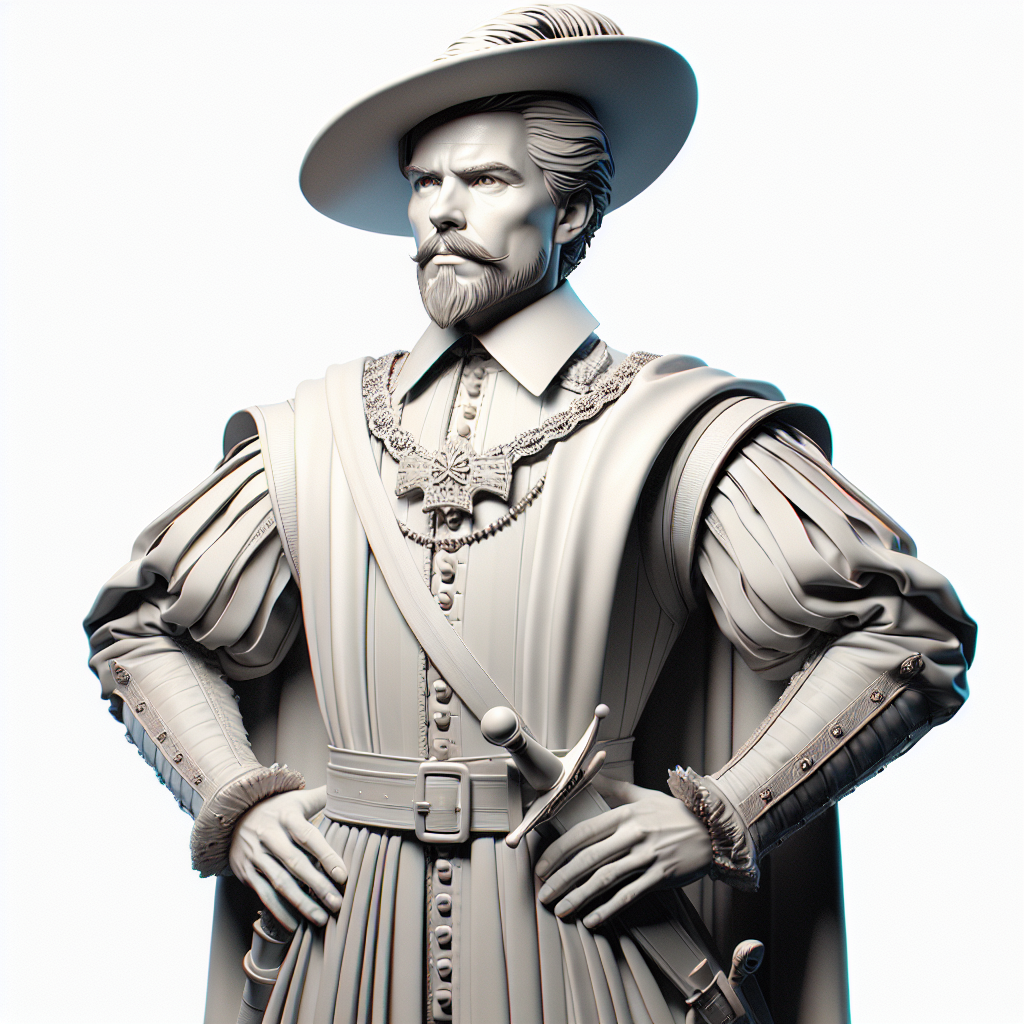

Janbirdi al-Ghazali, imagine a rebel leader straight out of a gritty historical drama with battles, betrayals, and fluctuating loyalties. This intriguing figure flourished during the early 16th century, playing a central role in the power dynamics of the ever-turbulent Middle East. Born and mostly active around Syria and Egypt, al-Ghazali was a Mamluk general who challenged the rising Ottoman Empire’s authority after the fall of Mamluk rule. But life wasn’t just battles and bloodshed for al-Ghazali. His story teems with political maneuvering and shifting allegiances, reflecting the complicated realities of empire-building and resistance at a time when empires often clashed over control.
Al-Ghazali began his career under the Mamluk Sultanate, where he rose to notable military rank, well-respected for his strategy and leadership. He was one of the many Mamluk leaders who had to navigate the changing political landscapes of the time as the Ottoman Empire expanded. When the Ottomans defeated the Mamluks, many former Mamluk leaders, including al-Ghazali, found themselves in uncertain positions. The Ottomans, interested in consolidating their power smoothly, often allowed former Mamluk officials to keep their administrative roles. Al-Ghazali initially accepted this transition, showing a practical approach to survival and power retention.
But Janbirdi al-Ghazali wasn’t just any opportunist. He was keenly aware of the dissatisfaction brewing among the local elites and the populace under Ottoman rule, especially in Syria. In 1521, capitalizing on growing discontent, al-Ghazali launched a rebellion against the Ottomans. His knowledge of the land and allegiances formed with local tribes proved vital in mobilizing a significant force to challenge the Ottoman authority. He temporarily captured Damascus, demonstrating notable bravado and strategic acumen against a more powerful opponent.
However, maintaining power isn’t easy when confronting a vast empire like the Ottomans. Al-Ghazali’s rebellion, while initially successful, faced severe logistical challenges. The Ottomans, with their extensive resources and relentless military strategies, eventually quashed the rebellion. Al-Ghazali was captured and executed in 1521, marking the fall of a bold yet perhaps overly ambitious challenge to Ottoman dominion. His efforts underscore the complex nature of loyalty and identity during this era. While some might consider him a hero fighting imperial tyranny, others might see him as a pragmatic schemer who played a high-stakes game and lost.
In assessing al-Ghazali's life and choices, it’s important to recognize the nuanced realities of his era. The Mamluks, like many imperial rulers, had their flaws, but they provided a semblance of regional governance that many elites preferred over the relatively new Ottoman rule. Al-Ghazali's revolt mirrors the struggle of maintaining cultural and political identities amidst the wash of a larger imperial tide. His rebellion wasn’t just a power grab; it was rooted in legitimate dissatisfaction with changing social orders and political management. There’s both admiration and caution to be considered in his tale—understanding that while defiance can inspire, it also has consequences when facing an unstoppable force.
Al-Ghazali's legacy remains a topic of debate among historians. Was he a liberator fighting foreign oppression, or simply a failed opportunist? Opinions vary widely. It’s a dynamic discussion that reflects broader tensions still relevant in modern political discourse. He symbolizes resistance but also highlights the peril of challenging dominant systems without sufficient infrastructure or support. His story challenges the binary narrative of heroes and villains, urging us to explore motivations and contexts.
To watch Janbirdi al-Ghazali's life is to engage with a part of history filled with complex individuals, each driven by their ambitions, fears, and circumstances. His rebellion speaks to the wider narrative that history often forgets the nuanced stories of those who dared to challenge the status quo. His life prompts meaningful contemplation on the impact of past political movements on the present, especially in a global context where power struggles still shape societies.