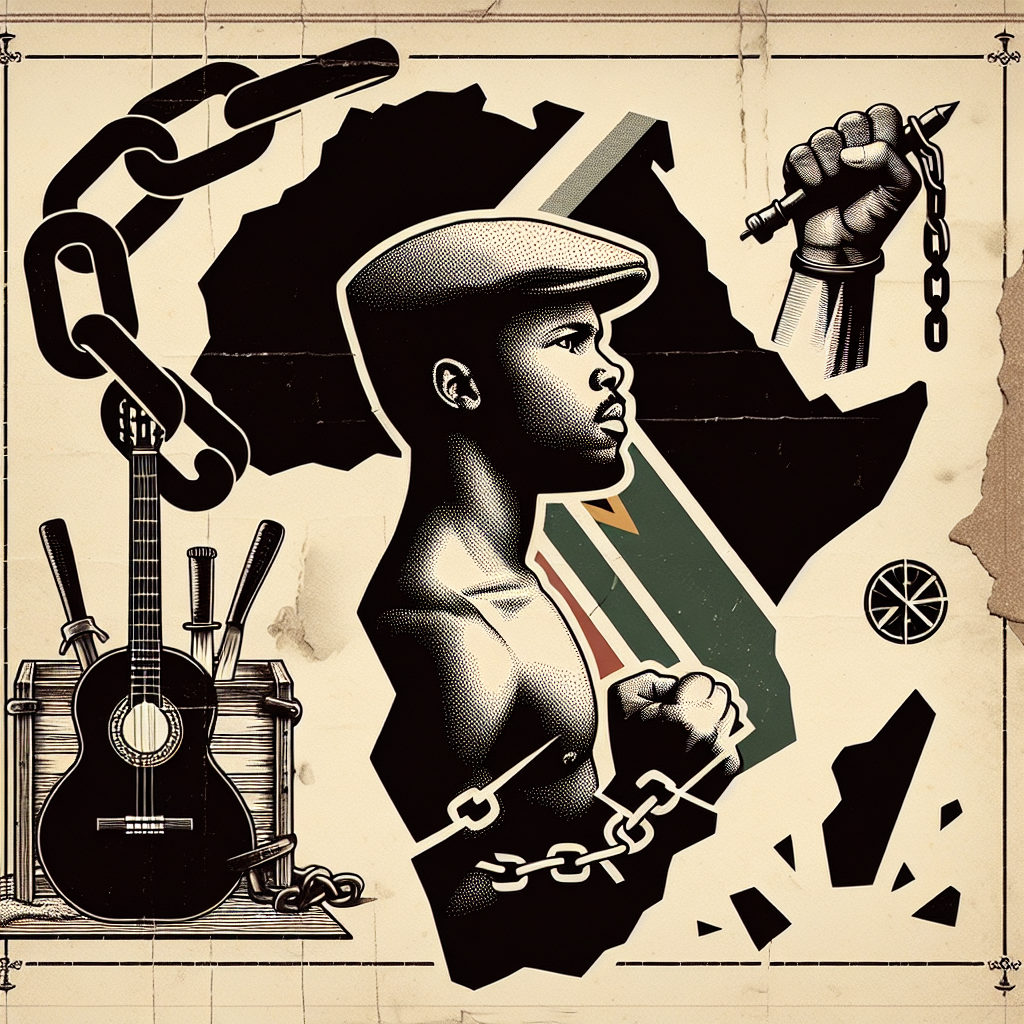

The Maverick of South African Music: James Phillips
James Phillips was a South African musician whose life and work were as vibrant and complex as the country he called home. Born in Springs, South Africa, in 1959, Phillips became a pivotal figure in the South African music scene during the 1980s and 1990s. He was a man of many talents, known for his sharp wit, poignant lyrics, and his ability to blend rock with the socio-political issues of his time. His music was a reflection of the turbulent era of apartheid, and he used his art to challenge the status quo and give a voice to the voiceless. Phillips passed away in 1995, but his legacy continues to influence musicians and activists alike.
Phillips grew up in a conservative, working-class environment, which starkly contrasted with his later rebellious persona. He was a student at the University of the Witwatersrand, where he studied music and drama. It was here that he began to develop his unique style, influenced by both local and international music. He formed his first band, Corporal Punishment, in the late 1970s, which became known for its punk rock sound and politically charged lyrics. This was a time when South Africa was under the oppressive rule of apartheid, and Phillips used his music to speak out against the injustices he witnessed.
One of Phillips' most notable contributions to South African music was his alter ego, "Bernoldus Niemand." Under this pseudonym, he released the album "Wie is Bernoldus Niemand?" in 1985. The album was a satirical take on the Afrikaans music scene and a critique of the cultural and political landscape of the time. It was both a commercial and critical success, cementing Phillips' reputation as a fearless and innovative artist. His ability to use humor and satire to address serious issues made his work accessible and impactful.
Phillips' music was not just about protest; it was also about hope and resilience. He was part of the "Voëlvry" movement, a group of Afrikaans musicians who used their platform to oppose apartheid and promote social change. The movement was a cultural rebellion, challenging the norms and pushing for a more inclusive and just society. Phillips' involvement in this movement showcased his commitment to using his art for activism and his belief in the power of music to inspire change.
Despite his success, Phillips' life was not without struggles. He battled with personal demons, including substance abuse, which ultimately contributed to his untimely death at the age of 36. However, his music and message continue to resonate with new generations. His work is a reminder of the power of art to challenge, provoke, and inspire. Phillips' legacy is not just in his music but in the courage he showed in standing up for what he believed in, even when it was dangerous to do so.
While some may argue that music alone cannot change the world, Phillips' life and work demonstrate that it can certainly play a significant role in shaping it. His ability to blend art with activism made him a unique and influential figure in South African history. For those who lived through the era of apartheid, his music was a beacon of hope and resistance. For those who came after, it serves as a powerful reminder of the past and a call to continue the fight for justice and equality.
James Phillips was more than just a musician; he was a voice for change in a time when silence was the norm. His legacy lives on, not only in his music but in the hearts and minds of those who continue to fight for a better world.