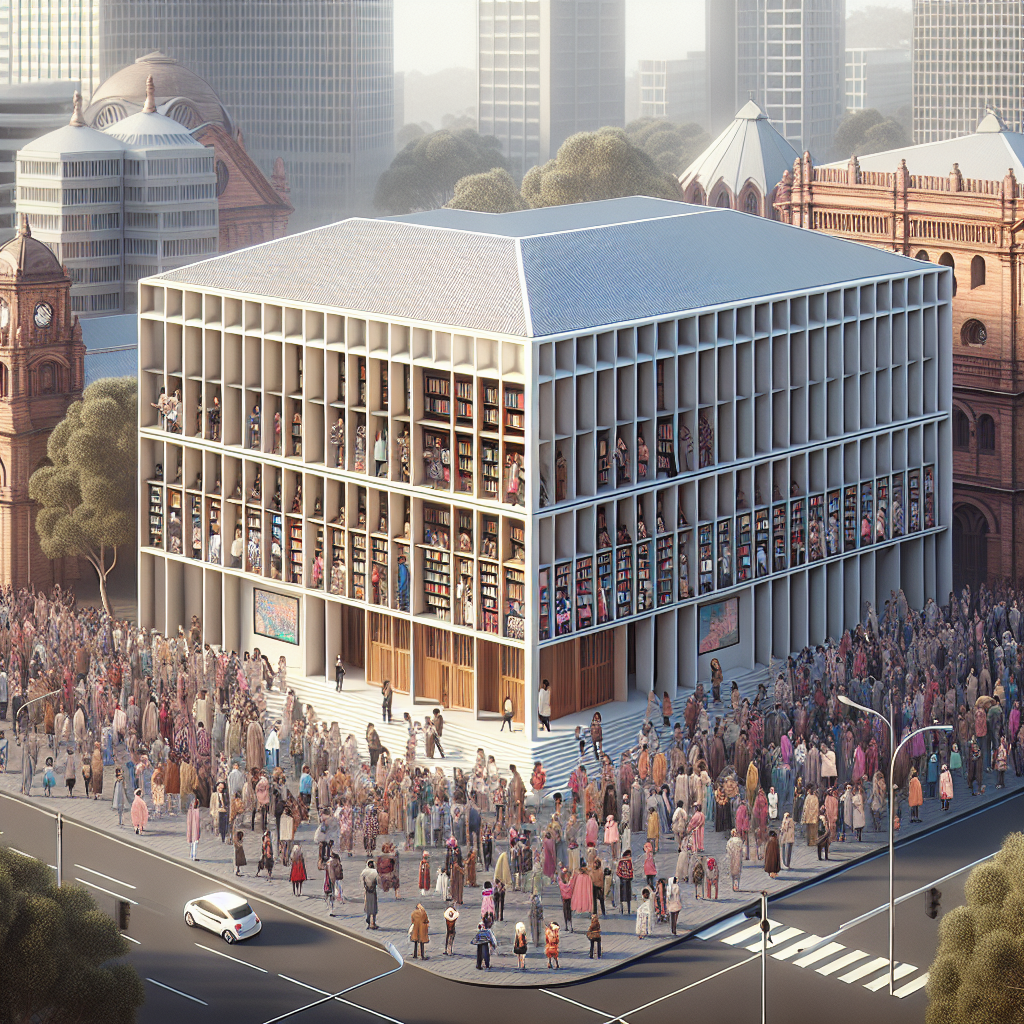

It’s not every day you stumble across a six-story building that could very well be a vision from the future dropped into the heart of Sydney. Enter International House, a bold and innovative structure located in the city’s Darling Harbour district. Completed in 2017, it stands as an exemplar of sustainable building practices and innovative design choices, thanks to the genius of architect Alec Tzannes and the folks at developer LendLease. They constructed this masterpiece using engineered timber, a renewable resource that challenges traditional building materials like concrete and steel. This decision wasn’t just about aesthetics—it was a move towards a more sustainable future, showcasing what’s possible when creativity meets responsibility.
International House is much more than just an office building; it’s a conversation starter about the direction of urban development in our increasingly climate-conscious world. The building’s stunning design and eco-friendly approach put it on the map as Australia’s first tall building made entirely of wood and glass. This is a big step for architecture and urban planning because it shows a new way we might live and work in the future. Sustainable architecture is not just for tree-huggers or idealists; it’s a necessity if we want to keep our planet healthy.
Now, let’s talk about how this building takes on the challenge of climate change in style. The use of cross-laminated timber (CLT) and glue-laminated timber (Glulam) fundamentally reduces carbon emissions during construction. Even after the structure is up, these materials boast impressive insulation qualities that help in reducing energy consumption for heating and cooling. The decision to use timber was partly to show that such a choice is not only logical but practical in urban contexts. Despite the initial skepticism from traditionalists who worry about safety and durability, engineered timber has proven to be exceptionally resilient and reliably safe, backed by rigorous testing and years of innovation.
In tandem with its green ethos, International House pays homage to the history of the area. Darling Harbour has seen its share of industrial activity and trade over the decades. The choice to prominently feature timber nods to the early days when the area buzzed with the clamor of docks and shipping warehouses. The building’s structure reflects a connection to the land and its stories, bringing a sense of continuity between the past and what might come next.
Interestingly, International House isn’t just significant for its sustainable construction. It's also about what it represents to its inhabitants and visitors. This is where the human element of architecture shines through. Within its walls, workers and companies experience a different kind of office environment—one that feels connected to nature and prioritizes well-being. Numerous studies have shown that spaces with natural materials like wood can improve mental health, reduce stress, and increase productivity. The building doesn’t just visually dominate its surroundings; it enhances the lives of those who engage with it daily.
Of course, the embrace of such forward-thinking designs doesn’t come without debate. Some argue that the costs associated with sustainable materials and practices can be prohibitive, making them less accessible to the wider market. For now, the price of innovative materials sometimes makes these projects exclusive, limiting their widespread adoption. Yet the counter-argument stresses that investment in these technologies will bring down costs over time, much like we’ve witnessed with renewable energy sources like solar panels.
As we consider the implications of International House, we’re reminded of the broader responsibility we hold towards our planet. The building is a testament to what’s achievable when we prioritize the environment while embracing technological advances. It serves as an inspiration, suggesting a movement towards structures that harmonize with rather than contradict the natural world.
International House stands amid a buzzing metropolis, suggesting that sustainable innovation is not something we’ll see only in rural oases or niche projects. As millennials and Gen Z continue demanding more sustainable options in all aspects of life, we may well see more cities look to International House as a guiding light. The balance it strikes between form, function, history, and environmental stewardship sets a precedent for future urban planning. It's a beacon that reveals what lies on the horizon—an architectural evolution that speaks to both the immediacy of environmental challenges and the enduring human ingenuity ready to meet those challenges head-on.
While the design and materials that make up International House might be unique today, they have the potential to become the blueprint for a future where sustainable buildings are the norm rather than the exception. It’s a conversation our generation is prepared to have, one that questions how we can live in tune with the earth without sacrificing modern comforts. International House is part of that dialogue, challenging us to rethink what our cities can become.