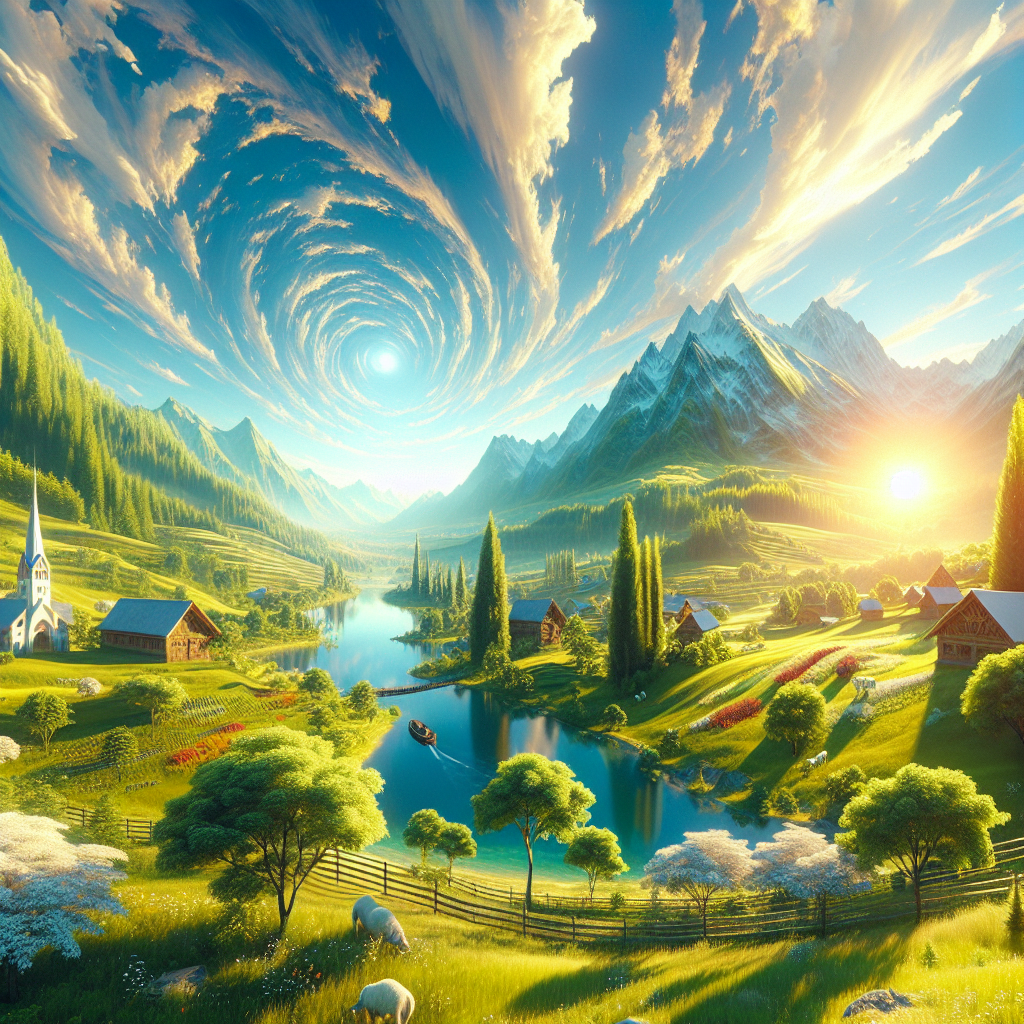

In a Perfect World...
Imagine a world where everyone has access to clean water, education is a right not a privilege, and peace is the norm rather than the exception. This utopian vision is what many dream of, but the reality is far from perfect. The concept of a perfect world has been a topic of discussion for centuries, with philosophers, politicians, and everyday people pondering what it would take to achieve such a state. In today's world, with climate change, social inequality, and political unrest, the idea of a perfect world seems more distant than ever. Yet, it is precisely these challenges that make the conversation about a perfect world so crucial.
The idea of a perfect world often varies depending on who you ask. For some, it might mean a world without poverty, where everyone has equal opportunities regardless of their background. For others, it might mean a world where nature is preserved, and animals are treated with respect. The common thread in these visions is the desire for a better, more equitable world. However, achieving this requires addressing complex issues that are deeply rooted in our societies.
One of the biggest obstacles to creating a perfect world is inequality. Economic disparity, racial discrimination, and gender bias are just a few examples of the inequalities that exist today. These issues are interconnected and often reinforce each other, making them difficult to tackle. For instance, economic inequality can lead to limited access to education and healthcare, which in turn perpetuates poverty. Addressing these issues requires systemic change and a commitment to social justice.
Climate change is another significant barrier to achieving a perfect world. The effects of climate change are already being felt around the globe, with extreme weather events, rising sea levels, and loss of biodiversity. These changes disproportionately affect marginalized communities, exacerbating existing inequalities. To create a perfect world, we must prioritize environmental sustainability and work towards reducing our carbon footprint. This involves not only individual actions but also policy changes at the national and international levels.
Political unrest and conflict are also major challenges. In many parts of the world, people live in fear of violence and oppression. Wars and conflicts displace millions, creating humanitarian crises that are difficult to resolve. A perfect world would be one where diplomacy and dialogue replace violence and aggression. This requires a commitment to peacebuilding and conflict resolution, as well as addressing the root causes of conflict, such as resource scarcity and political corruption.
While the idea of a perfect world may seem idealistic, it is important to strive towards it. This means acknowledging the imperfections of our current world and working collectively to address them. It requires empathy and understanding, recognizing that everyone has a role to play in creating a better future. It also means being open to different perspectives and finding common ground, even with those who may have opposing views.
The journey towards a perfect world is not an easy one, but it is a journey worth taking. It involves challenging the status quo and pushing for change, even when it seems difficult. It means holding leaders accountable and advocating for policies that promote equality and sustainability. It also means taking personal responsibility for our actions and their impact on the world around us.
In the end, a perfect world may never be fully realized, but that doesn't mean we shouldn't try. By working together and striving for a more just and equitable world, we can create a future that is closer to the ideal. A world where everyone has the opportunity to thrive, where nature is protected, and where peace is the norm. This is the world we should all be working towards, for ourselves and for future generations.