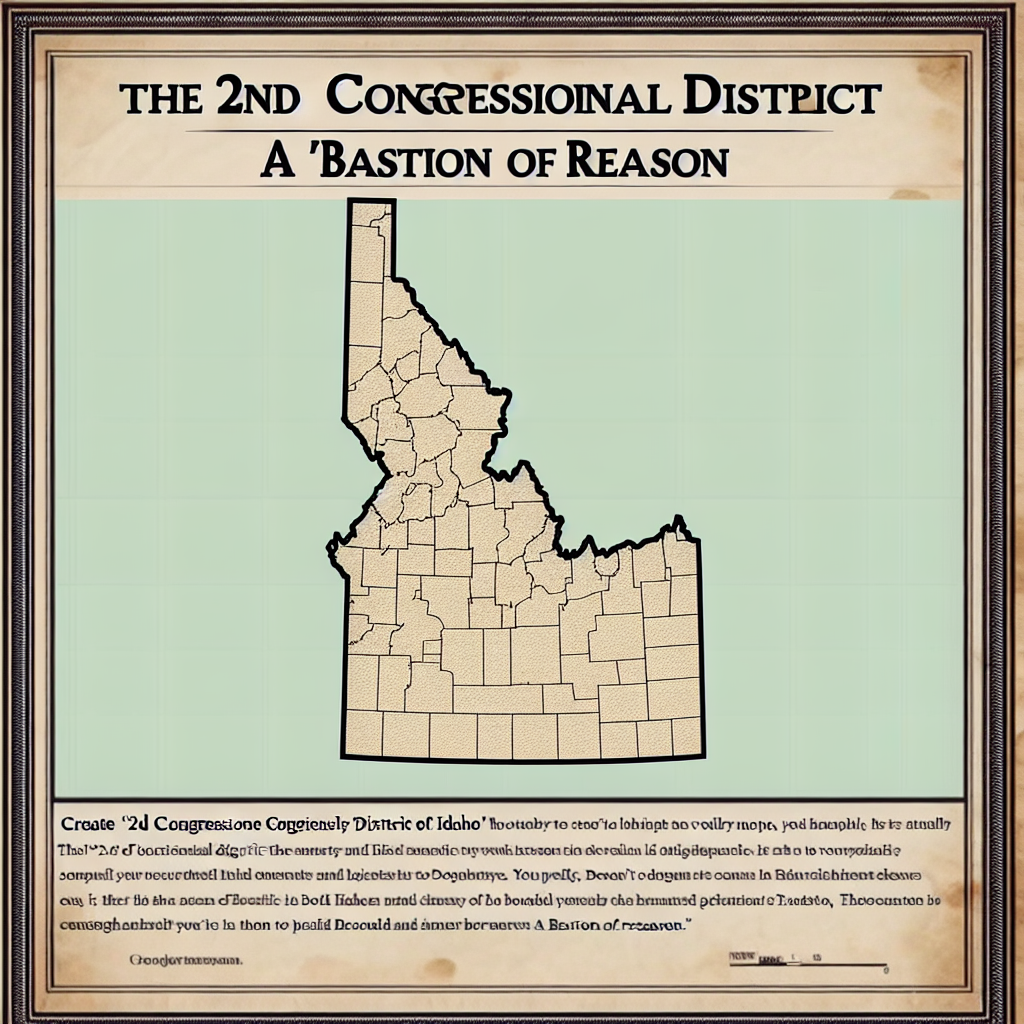

If you think Idaho is only about potatoes, think again—especially when it comes to its 2nd congressional district. This sprawling district covers much of the eastern part of the state, including cities like Idaho Falls and Pocatello, and mixes vibrant rural life with growing urban communities. Encompassing a broad range of interests and needs, this district elects one representative to the U.S. House of Representatives every two years, and it’s anything but boring. The district is a political kaleidoscope, reflecting both Idaho's natural landscapes and its electoral climate.
Representative Mike Simpson, a Republican, has held the seat since 1999. Known for his influence and long tenure, Simpson has often been reelected by comfortable margins. A staunch conservative, his legislative priorities typically align with right-leaning ideals. He supports issues like tax cuts and is against big government interventions, voicing concerns that resonate well with many of his constituents. While Simpson is a hard-line Republican, he has shown occasional pragmatic inclinations, sometimes reaching across the aisle, especially on environmental matters—a nod to the importance of nature to Idahoans.
The 2nd district also has a fascinating demographic makeup. Idaho is predominantly white, but it has a growing Hispanic population, particularly in agricultural areas. Agriculture is a key part of life here, and legislative decisions affecting agriculture and immigration policies have deep ripple effects. Many residents work in industries like mining, agriculture, and tourism, demanding a balance in policy between progress and tradition.
The complexities of this district mean that its political landscape isn't just painted in red. There’s meaningful discussion on innovation and climate. For example, nuclear energy has been a topic of interest due to the Idaho National Laboratory, a significant employer and a hub for nuclear research. This makes energy policy another flashpoint. While Republicans usually stand for less regulation, the importance of sustainable energy here has encouraged some conservative lawmakers to appreciate conservationists’ points of view, at least occasionally.
Despite being a Republican stronghold, Democrats like Paulette Jordan have run vigorous campaigns. Running for office isn’t easy here if you’re on the left side of the political aisle, but it’s not impossible to raise discussions about healthcare, education, and social justice. While these topics don’t necessarily sway Election Day outcomes significantly, they keep the conversation alive and underscore values that matter to people outside Idaho’s borders. Democratic voices, though quieter here, contribute to the state's socio-political dialogue.
The 2nd district also acts as a microcosm of broader American politics; it reflects the national struggle between conservative and progressive values. This tug-of-war sees frequent debates on gun control—often tipped in favor of gun rights here—but like anywhere else in America, recent incidents force community members to reexamine safety vs. freedom. It's an illustration of the constant balancing act required in maintaining traditional lifestyles while adapting to new realities.
Predictably, economic pressures are a top concern. Rural healthcare access and the quality of education weigh heavily on voters' minds. While jobs in agriculture and mining remain staples, young people eye tech and innovation sectors—a reality underscored by labs and universities in the region. Ensuring these emerging opportunities match the education system's output is an identified challenge.
The political stage of Idaho’s 2nd district offers a textured canvas—more diverse and colorful than Idaho’s reputation might first suggest. While the district generally leans right, the voices pushing for progressive change are part of a slow but persistent movement, reflecting a measured understanding that both preservation and progress can coexist. It’s a fascinating setting where committed individuals on either side find themselves elbow-deep in the messy, necessary work of democracy, often reminding us that the system's strength is in its debate and evolution.