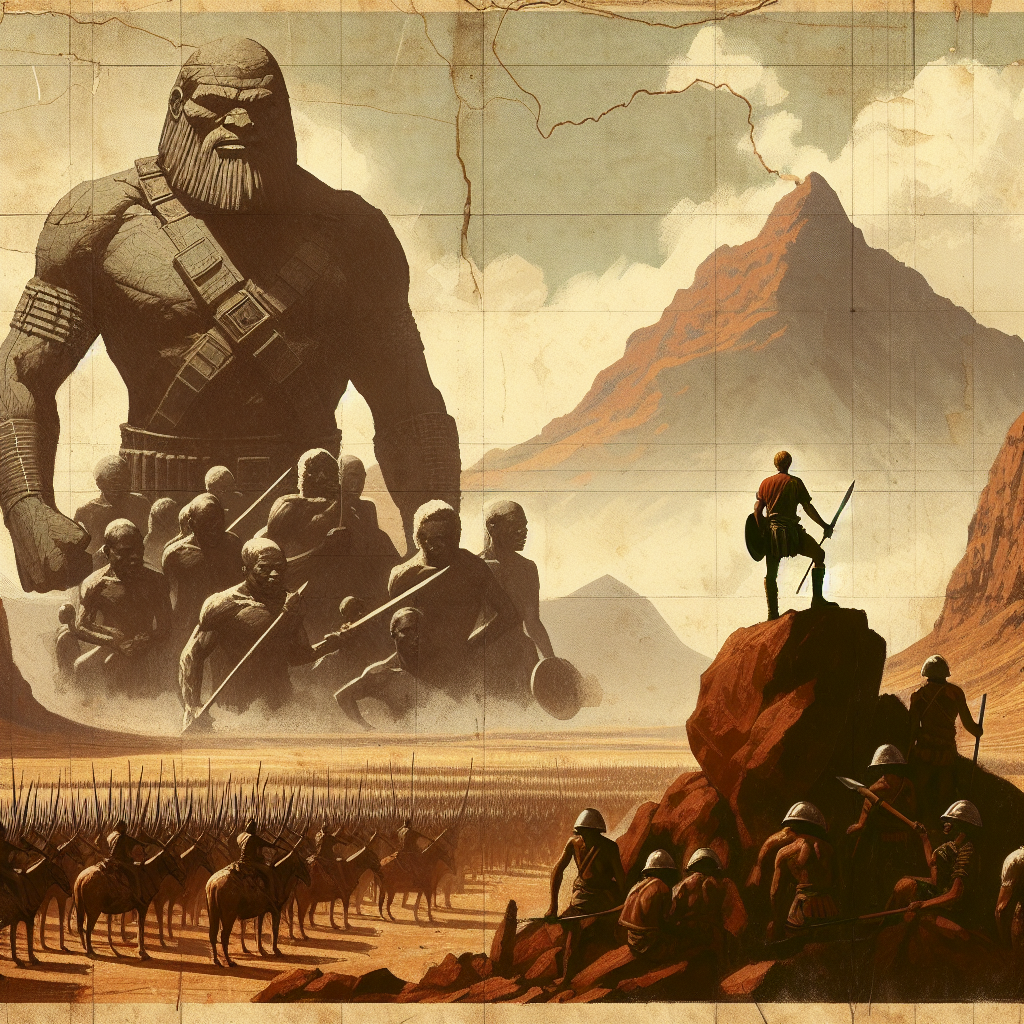

Imagine a land thriving with culture and tradition, yet shrouded in the shadows of colonial control. This arena was 20th-century Namibia, a battleground for independence, and at its heart stood Hosea Kutako. He emerged in the late 1800s as a pillar for Namibian identity, during a time when the German Empire held the region under its thumb, and later, South African mandate pushed its agenda. Kutako’s influence traveled beyond just the political realm; he was the embodiment of resilience—a symbol that refused to be silenced.
Born around 1870 in Okahurimehi, Hosea Kutako belonged to the Ovaherero people, whose rich heritage was under threat. As colonial authorities laid claim to the land, the Ovaherero people and Kutako found themselves in a fight for survival. Not just economically or politically but a battle for the soul of a people. Under Kutako's leadership, the Herero Chiefs' Council became a national voice, fearlessly pursuing liberation.
Kutako believed in dialogue and proposed peaceful negotiations, a sharp contrast to the violent resistance that his contemporaries sometimes opted for. He showed diplomacy in a time when war seemed unavoidable. His letter in 1947 to the United Nations pleading against South African rule was a brilliant demonstration of his foresight. It brought international attention to Namibia’s plight. Like a modern-day influencer catching viral momentum, Kutako’s letter reached ears across the globe.
For many young Namibians today, his name might only appear as part of the country's largest airport—Hosea Kutako International Airport. But the essence of why his name matters is far more profound. Kutako became a living tapestry of what peaceful resistance could achieve. His strategic use of international advocacy was not just tactical brilliance but laid a framework for post-colonial dialogue worldwide. In doing so, Kutako helped plant the seeds for Namibia’s future even while the forces of oppression towered around him.
Of course, history is not without its complexities. Opponents at the time believed Kutako’s methods were too passive. They argued against his inclination toward diplomacy, suggesting that more aggressive strategies would pave a quicker path to independence. Although it’s tempting to assume that violence always fuels significant change, Kutako's patient pursuit provides a critical reflection point. It invites conversation on the power of words versus action, a debate that persists today.
Many of us, targeting systemic inequalities embedded in social and political structures, come from a liberal standpoint similar to Kutako’s. We value dialogue, intersectionality, and the power of the collective voice. His life resonates with these tenets, encouraging a deeper look into how change is cultivated. There's something profoundly empowering in realizing that setbacks can serve as the soil for transformation.
In an era where social justice movements seek digital platforms to amplify their cries, Kutako’s story is timeless. His life is a testament that the strategic marriage of local knowledge and international allies can shift paradigms. The role he played in international advocacy paved the way for Namibia’s independence in 1990. His name remains a silent whisper in the air as you walk off the plane at the airport—a gentle reminder of the power of one voice.
Generations later, we find ourselves in a world more connected yet divided by differing ideologies. The lessons from Kutako's steadfast resolve and tactful maneuvering continue to resonate. He calls into question the nature of what it means to resist and highlights how culture and leadership can transcend physical borders. While his opponents were fierce and sometimes justified in their impatience, it’s the eventual liberation that speaks volumes of Kutako’s insistence on peace.
Much like many historical figures whose stories echo resilience, Hosea Kutako challenges us to broaden our perspectives. His narrative pushes against the idea that peace equals weakness and celebrates strength in persistence. His broad shoulders bore the weight of expectations and bridged a gap between colonial chains and self-governance.
In telling the story of Hosea Kutako, we acknowledge more than his legacy. We embrace a continuous journey towards freedom, dignity, and self-determination—all written subtly in the pages of history that he helped to shape. In reliving his steps, we not only learn about the past but also craft better tools for the present and future advocacy for human rights.
It's not just a tale of overcoming colonial rule, but a call for today's generation to remain vigilant, informed, and compassionate in their pursuit of equity. His life serves as an example, showing that whatever obstacles loom, transformative change is always within reach when persistence meets patience.