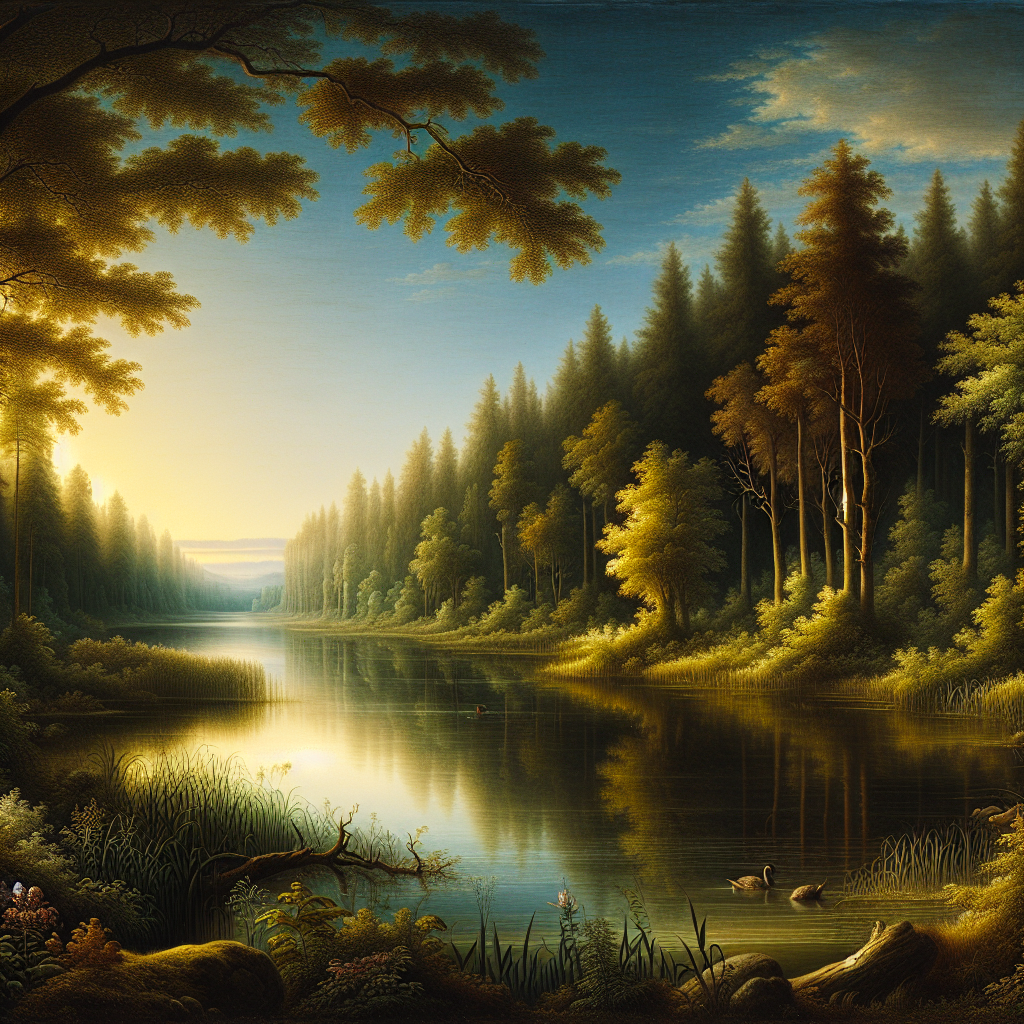

The Enigmatic World of Herman Henstenburgh
Imagine a world where art and nature intertwine so seamlessly that the boundaries between them blur, creating a mesmerizing tapestry of color and life. This is the world of Herman Henstenburgh, a Dutch artist and entomologist who lived from 1667 to 1726 in the Netherlands. Known for his exquisite watercolor paintings of flowers, fruits, and insects, Henstenburgh's work captures the delicate beauty of the natural world with an almost scientific precision. His art was not just a reflection of his surroundings but also a testament to his deep appreciation and understanding of nature's intricacies.
Henstenburgh's journey into the world of art began in the bustling city of Hoorn, where he was born and spent most of his life. During the late 17th and early 18th centuries, the Netherlands was a hub of artistic innovation and scientific discovery. This environment undoubtedly influenced Henstenburgh, who was initially trained as a baker but soon found his true calling in the arts. His unique style, characterized by meticulous attention to detail and vibrant use of color, set him apart from his contemporaries and earned him a place among the great botanical artists of his time.
While Henstenburgh's work is celebrated for its beauty, it also serves as a valuable historical record of the flora and fauna of his era. His paintings provide insight into the biodiversity of the time, capturing species that may have since changed or disappeared. This aspect of his work is particularly significant today, as we face unprecedented challenges in preserving our planet's biodiversity. Henstenburgh's art reminds us of the importance of cherishing and protecting the natural world, a message that resonates strongly with the environmental consciousness of Gen Z.
Despite his contributions to both art and science, Henstenburgh remains relatively unknown outside of specialized circles. This obscurity can be attributed to several factors, including the limited distribution of his work and the overshadowing presence of more famous artists from the Dutch Golden Age. However, for those who do discover his art, Henstenburgh offers a unique perspective that bridges the gap between artistic expression and scientific observation.
Critics of Henstenburgh's work might argue that his focus on detail and realism limits the emotional impact of his paintings. They may suggest that his art lacks the dramatic flair and narrative depth found in the works of his more renowned contemporaries. However, supporters would counter that Henstenburgh's strength lies in his ability to capture the quiet beauty of the natural world, offering viewers a moment of reflection and appreciation for the intricacies of life.
In today's fast-paced, technology-driven world, Henstenburgh's art provides a much-needed reminder of the simple yet profound beauty that surrounds us. His work encourages us to slow down, observe, and connect with nature in a meaningful way. For Gen Z, who are often at the forefront of environmental activism, Henstenburgh's paintings can serve as both inspiration and a call to action.
As we continue to explore and appreciate the legacy of artists like Herman Henstenburgh, we are reminded of the timeless connection between art and nature. His work not only enriches our understanding of the past but also inspires us to envision a future where the beauty of the natural world is preserved and celebrated for generations to come.