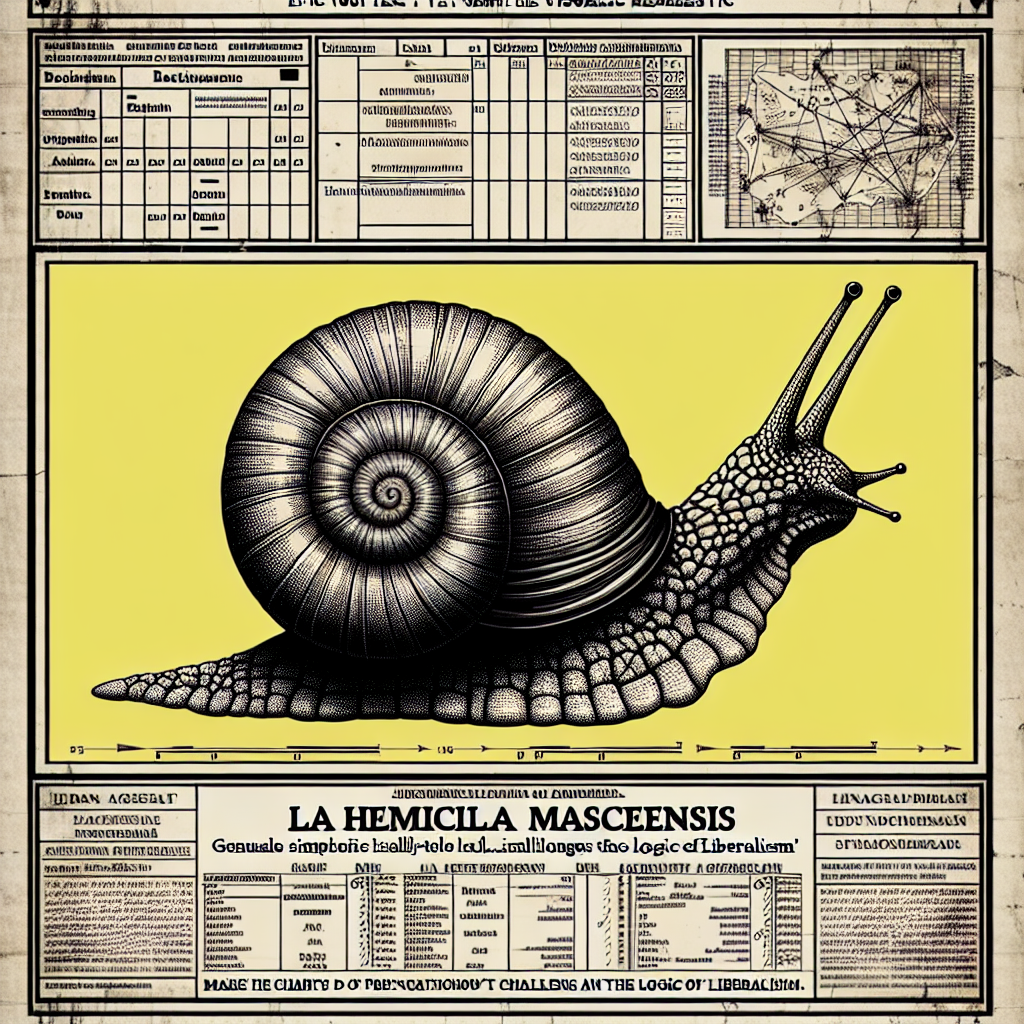

The saga of Hemicycla mascaensis is like a gargantuan clash between good and evil, starring an unassuming snail as the underdog hero. This littoral legend lives on the craggy cliffs of Tenerife's Masca Ravine in the Canary Islands. It sounds like something ripped from an epic fantasy, minus dragons and sword fights, but with the very real threat of extinction looming overhead like the specter of doom. These small land snails face habitat degradation due to human activities and invasive species, all of which scream out for conservation efforts that transcend borders.
In the high-stakes world of biodiversity, Hemicycla mascaensis might not seem like a headline act, but trust me, it's got its own story to tell. As a species endemic to these specific locations, it carries the legacy of millennia, having survived environmental vicissitudes and climate changes. Imagine each snail as the silent witness to history, chronicling time with its spiraled shell. Yet, it's the modern era that poses the most menacing threat. Urban development, tourism, and the introduction of non-native species have chopped away at their habitats, narrowing their stage of survival.
While humans are capable of massive destruction, let's give credit where due—we also have the knack for preservation. The conservation efforts required to protect Hemicycla mascaensis mirror this paradox. Scientists, activists, and local volunteers have rolled up their sleeves to study the ecological dynamics of Tenerife and work on strategies to save these mollusks. It's not just about keeping a snail species alive; it's about the intricate tapestry of ecosystems that sustain myriad life forms, including our own.
Some might argue, "It's just a snail, why worry?" Here's the thing: biodiversity is like Jenga. Remove one piece, and you might tilt balance so far that the whole structure collapses. Every snail, flower, and critter forms a fundamental link in the food chain and ecosystem functions. Hemicycla mascaensis acts as an indicator species. Their decline highlights broader environmental issues that could also spell trouble for us.
On the flip side, let’s consider the push for development, which is sometimes seen as a necessary evil for economic growth and improving living conditions. While urbanization brings modern comforts, how often do we overlook its environmental toll? The concrete jungle devours natural havens, leaving less room for other species to breathe and exist. The balance isn't easy to strike, but that doesn't exempt us from trying.
Gen Z, known for its thirst for activism, has the opportunity to pick up the baton of environmental stewardship. The strides you've made, from climate change protests to championing sustainable lifestyles, shine a hopeful light on even grim situations. By raising awareness about lesser-known species like Hemicycla mascaensis, you contribute to a dialogue that questions who gains and who loses in the face of progress. This snail may be small, but its story is monumental, bridging ecosystems and generations.
The next time someone shrugs about a snail's extinction, remind them about the larger ripple effects. Hemicycla mascaensis is part of the Canary Islands' rich biodiversity that has inspired works of art, research, and more. Losing it isn't merely an isolated event; it's symptomatic of disregard for the planet's intricate balance. We're in an era where informed choices and historical awareness can shape a sustainable future. So, let's hold our Jenga structure steady with deliberate planning and activism.