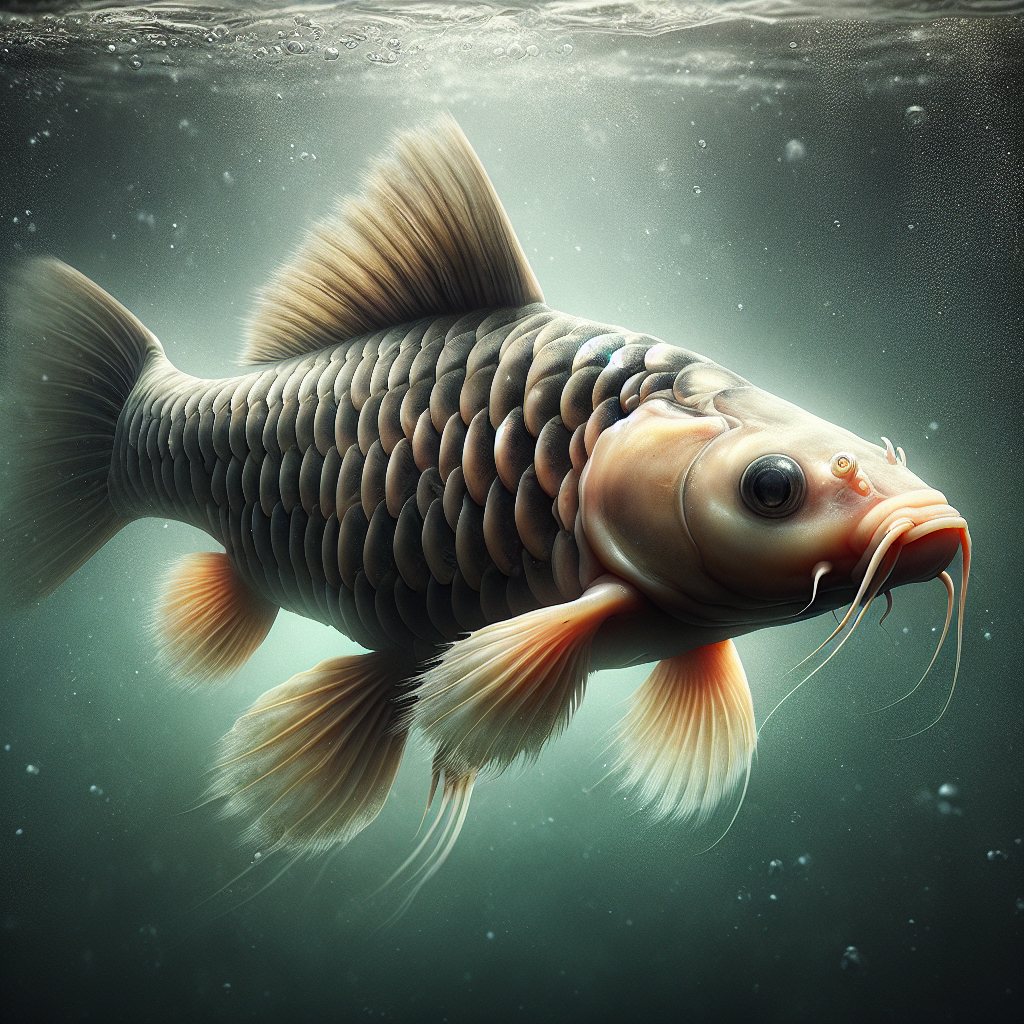

Imagine living your entire life at over 3,000 meters above sea level, in one of the coldest and most challenging environments on the planet. Welcome to the world of Gymnocypris przewalskii, a quirky fish thumbing its fins against adversity in the high-altitude waters of Lake Qinghai. It's an unassuming name for a creature with such an intriguing lifestyle. This species, also known as the Qinghai Lake naked carp, is named after the explorer Nikolai Przewalskii who reportedly discovered it in the late 19th century. It's a story of survival that speaks volumes about endurance and adaptability.
Who would have thought that a fish could become such a potent symbol of environmental complexities? Gymnocypris przewalskii faces constant challenges, yet thrives in the saline waters of Lake Qinghai, located in China's Qinghai Province. This lake, which changes dramatically with the seasons, presents unique challenges. Water levels fluctuate, salinity varies, and the temperature swings from frigid cold to moderate warmth. All this shapes the harsh reality for the flora and fauna inhabiting this region. Despite these hurdles, Gymnocypris przewalskii has figured out how to survive.
However, like so many in the natural world, this species faces a critical moment. Climate change and human activity continue to threaten its delicate ecosystem. Pollution, overfishing, and habitat destruction have pushed its populations to the brink. The fish’s numbers have been dramatically dwindling. Projects to dam rivers and divert water for human use are especially problematic as they reduce the inflow of fresh water needed to balance the lake’s salinity. It's a classic story of survival against the odds, but also a race against time.
The role of Gymnocypris przewalskii goes beyond just its survival—it’s the backbone of a complex ecosystem. It's the primary food source for migratory birds, who rely on the protein-rich diet the fish provides. As such, the conservation of this single species spreads through an entire food web, affecting organisms far and wide. The extinction of Gymnocypris przewalskii wouldn't just be a loss of biodiversity but a devastating blow to the environmental stability of Lake Qinghai.
Understanding the society surrounding the Qinghai Lake fish gives more insight into its plight. Over the years, the rapid economic development in China has led to the rise of local industries in the region, particularly agriculture and mining. While these industries bolster the local economy, they also pose significant threats to the natural environment. This development often comes at a cost. Balancing the needs of the community while preserving ecological treasures remains a challenging task.
One pragmatic solution involves the establishment of protected areas and comprehensive conservation programs. Local and national governments, along with NGOs, are working to foster sustainable practices that protect the habitat of Gymnocypris przewalskii. There’s a need to strike a balance between development and conservation, where environmental laws can ensure that the unique ecosystems around Lake Qinghai remain intact.
There's a poignant aspect in all this that’s easy to forget. The story of Gymnocypris przewalskii isn't just a tale of an exotic species in far-off waters; it's reflective of global environmental issues. It's a mirror to challenges faced by countless other species worldwide—each with their own stories, each with their unique fight against ecological change.
Different perspectives enter the equation, particularly when focusing on the societal costs of conservation. Critics argue that stringent environmental protections can hinder economic growth, create job losses, and affect people's quality of life. Here’s where an empathetic societal dialogue is needed to ensure everyone’s voice is heard. We must balance development with our responsibility to the planet, ensuring sustainable growth does not come at the irreparable loss of our natural heritage.
For the younger generation, the story of Gymnocypris przewalskii is a call to action. It’s a reminder of the importance of being environmentally conscious and proactive. This story is also about understanding that small actions can have big impacts, and the decisions made today shape the world of tomorrow.
As you consider the narrative of Gymnocypris przewalskii, here’s the chance to connect with the broader themes of environmental stewardship and activism. Whether it's through raising awareness, supporting conservation efforts, or rallying for policy change, individuals have the power to contribute. This generation is well-equipped to lead the charge towards a more sustainable future and redefine what development truly means.