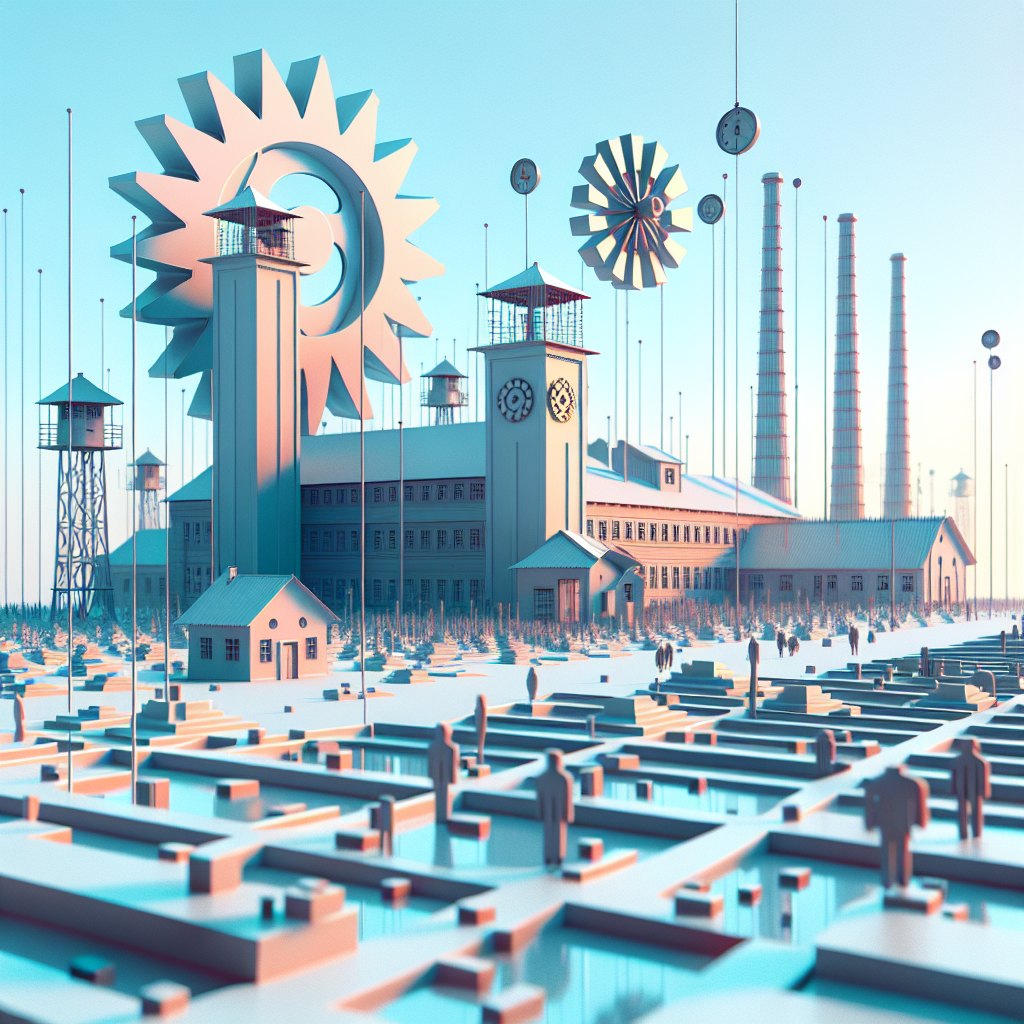

Imagine a place where time stands still, and where hope is a mere whisper against the harsh winds of despair; such was the Russian Gulag. Born out of the Soviet Union's need to quash dissent and consolidate power, the Gulag system of labor camps became emblematic of Stalin-era repression. Spanning the Soviet landscape from the 1920s to the 1950s, these camps detained millions. They were located in desolate and frozen lands, a testament to their isolation from society's eyes and hearts.
The Gulag wasn't just a series of camps; it was an institution designed to break the human spirit under extreme conditions. Anyone seen as a threat to the Communist regime, real or perceived, could find themselves trapped within its brutal grasp. Its prisoners were political enemies, intellectuals, peasants labeled as kulaks, and sometimes innocent people swept up in widespread purges. The workers were pushed to their limits in grueling manual labor, mining coal or constructing infrastructure, often with bare hands. Many succumbed to exhaustion, malnutrition, and sickness, making the Gulag not just a place of punishment but of perpetual mourning.
Not all hold the same view on the Gulag's role within the Soviet state, showing the lingering complexity surrounding historical perspectives. Some argue these camps helped industrialize the Soviet Union rapidly, leveraging forced labor to develop vast tracts of land and industries. To others, it's a symbol of systematic brutality and oppression, a dark chapter stained by state-sanctioned cruelty that continues to echo in the memories of those affected.
For young people today, the lingering question centers on what this history means now. The Gulag serves as a chilling reminder of the extent to which human rights can be trampled upon in the pursuit of political power. Yet, remembering the voices silenced and stories untold in those frozen camps isn't just about learning from history; it's about nurturing a commitment to justice and human dignity worldwide.
Bridging generational gaps through understanding this past can bring us closer to meaningful change. Recognizing injustices helps us become informed, empathetic citizens who can advocate for policies that protect liberties and promote transparent governance. It's about fostering a culture where dissent is appreciated, not feared. Gen Z, equipped with the tools of connectivity and learning, holds the power to drive these future narratives.
Technology and social media platforms play a crucial role in reshaping discussions about histories like the Gulag. Today's discussions are no longer confined to academic circles but are amplified by tweets, TikToks, and Instagram posts. As more stories surface, the narrative becomes a collective thread woven through global consciousness, urging us to reflect and act.
The memory of those who suffered is a somber responsibility we share. Sharing their stories doesn’t only honor their experiences but also strengthens our resolve to prevent any future atrocities. The Gulag may be a relic of the past, but the lessons it imparts are crucial today. By challenging authoritarian impulses and advocating for freedoms, we ensure actions reflect our commitment to a world where history truly does not repeat itself.
Engaging with the story of the Gulag opens doors for deeper investigations into other historical injustices. It teaches the importance of empathy, reminding us that silence in the face of oppression is a choice, one that history urges us to break free from. As we move forward, let's carry the weight of these lessons and the light of this knowledge into a future shaped by liberty and fairness.