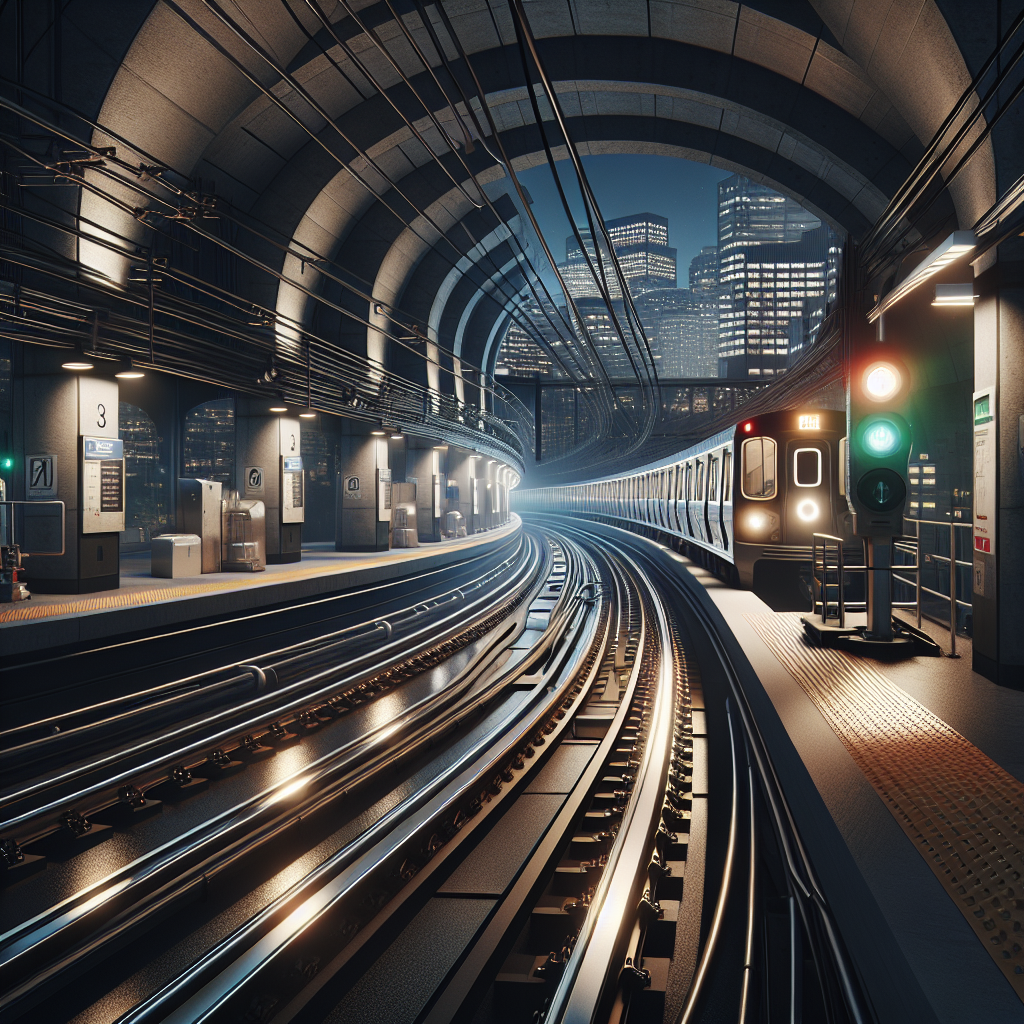

The Green Line: Montreal's Urban Lifeline
Imagine a city where the heartbeat is a vibrant green line, weaving through the urban landscape, connecting people, places, and stories. This is the Green Line of the Montreal Metro, a crucial part of the city's public transportation system. Established in 1966, the Green Line runs from Angrignon in the southwest to Honoré-Beaugrand in the northeast, covering a distance of approximately 22 kilometers. It serves as a vital artery for Montrealers, facilitating daily commutes, cultural explorations, and social interactions. The Green Line is not just a mode of transport; it's a symbol of connectivity and community in one of Canada's most diverse cities.
The Green Line is the oldest line in the Montreal Metro system, and its creation was driven by the need to provide efficient public transportation for the rapidly growing city. Montreal, known for its rich history and cultural diversity, required a transit solution that could accommodate its expanding population and urban sprawl. The Green Line was designed to link key areas of the city, including downtown Montreal, and to provide access to important landmarks and neighborhoods. It was a forward-thinking project that aimed to enhance mobility and reduce traffic congestion, making the city more accessible and livable.
For many Montrealers, the Green Line is an integral part of daily life. It connects residential areas with commercial hubs, educational institutions, and cultural sites. Stations like Berri-UQAM, Peel, and Atwater are bustling with activity, serving as gateways to the city's vibrant downtown core. The line also provides access to the Quartier des Spectacles, a cultural district that hosts numerous festivals and events throughout the year. For students, professionals, and tourists alike, the Green Line is a convenient and reliable way to navigate the city.
However, the Green Line is not without its challenges. Like many public transportation systems, it faces issues such as overcrowding, aging infrastructure, and the need for modernization. During peak hours, trains can become packed, making commutes uncomfortable for passengers. Additionally, the line's infrastructure requires regular maintenance and upgrades to ensure safety and efficiency. These challenges highlight the importance of continued investment in public transportation to meet the needs of a growing urban population.
Despite these challenges, the Green Line remains a beloved part of Montreal's identity. It represents the city's commitment to sustainability and public transit as a means of reducing carbon emissions and promoting environmental responsibility. By providing an alternative to car travel, the Green Line helps to alleviate traffic congestion and reduce the city's carbon footprint. This aligns with the values of many Montrealers who prioritize environmental sustainability and seek to live in a city that supports green initiatives.
From a broader perspective, the Green Line also serves as a reminder of the importance of public transportation in fostering social equity. It provides affordable and accessible transit options for people from all walks of life, ensuring that everyone has the opportunity to participate in the city's economic and cultural activities. Public transportation is a great equalizer, offering mobility to those who may not have access to private vehicles and connecting communities across the city.
While some may argue that investment in public transportation is costly and that resources could be better allocated elsewhere, the benefits of a robust transit system like the Green Line are undeniable. It enhances the quality of life for residents, supports economic growth, and contributes to a more sustainable urban environment. As cities around the world grapple with the challenges of urbanization and climate change, the Green Line stands as a testament to the power of public transportation to create more connected and resilient communities.
In the end, the Green Line is more than just a series of tracks and stations. It's a lifeline that connects the people of Montreal, weaving together the fabric of the city and enabling the flow of ideas, culture, and commerce. As Montreal continues to grow and evolve, the Green Line will remain a vital part of its urban landscape, a symbol of the city's past, present, and future.