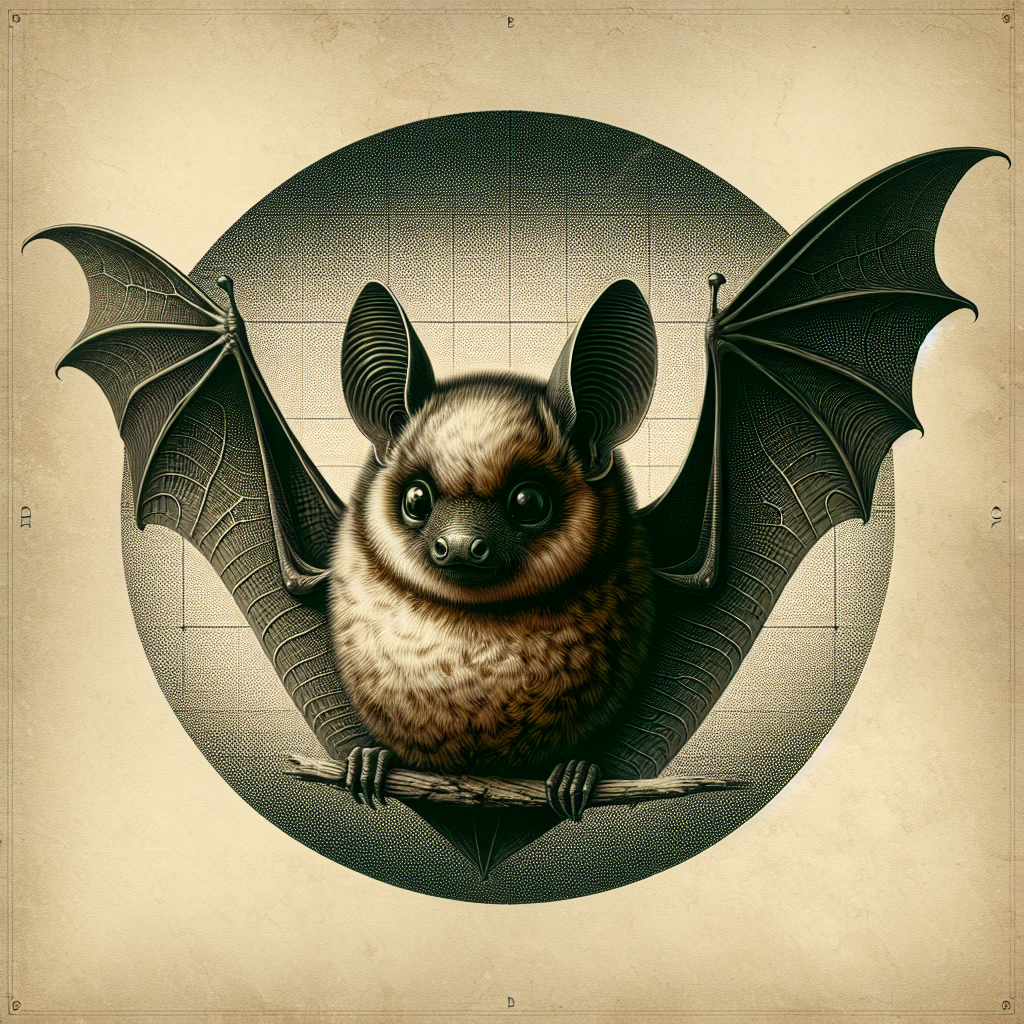

The Greater Roundleaf Bat: A Nighttime Marvel
Imagine a creature that navigates the night with the precision of a seasoned pilot, using sound waves to map its surroundings. This is the greater roundleaf bat, a fascinating species that has captured the interest of scientists and nature enthusiasts alike. Known scientifically as Hipposideros armiger, this bat is found in various parts of Asia, including China, India, and Southeast Asia. It thrives in diverse habitats, from dense forests to caves, where it roosts during the day. The greater roundleaf bat is particularly intriguing due to its unique echolocation abilities, which it uses to hunt insects and avoid obstacles in the dark.
The greater roundleaf bat is named for the distinctive leaf-like structure on its nose, which plays a crucial role in its echolocation. This feature helps the bat emit and receive sound waves, allowing it to detect even the smallest of prey. These bats are medium-sized, with a wingspan that can reach up to 45 centimeters. They are nocturnal creatures, emerging at dusk to feed and returning to their roosts before dawn. Their diet primarily consists of insects, making them important for controlling pest populations.
While the greater roundleaf bat is not currently considered endangered, it faces threats from habitat destruction and human encroachment. Deforestation and the destruction of cave habitats for mining and tourism can significantly impact their populations. Conservation efforts are essential to ensure that these bats continue to thrive in their natural environments. Protecting their habitats not only benefits the bats but also the ecosystems they inhabit, as they play a vital role in maintaining ecological balance.
Some people may have a negative perception of bats, associating them with disease or fear. However, it's important to recognize the ecological benefits they provide. Bats are natural pest controllers, consuming vast quantities of insects that could otherwise damage crops and spread disease. They also contribute to pollination and seed dispersal, supporting plant diversity and forest regeneration. Understanding these benefits can help shift public perception and promote conservation efforts.
On the other hand, concerns about bats as carriers of diseases like rabies and, more recently, their association with zoonotic diseases, cannot be ignored. It's crucial to approach these concerns with a balanced perspective. While bats can carry diseases, the risk of transmission to humans is generally low if proper precautions are taken. Educating communities about safe interactions with wildlife and the importance of bats in ecosystems can help mitigate these fears.
The greater roundleaf bat is a remarkable example of nature's ingenuity. Its ability to navigate and hunt using echolocation is a testament to the complexity and adaptability of wildlife. By learning more about these creatures and the challenges they face, we can better appreciate their role in the natural world and the importance of preserving their habitats. As we continue to explore the wonders of the animal kingdom, the greater roundleaf bat serves as a reminder of the delicate balance that sustains life on our planet.