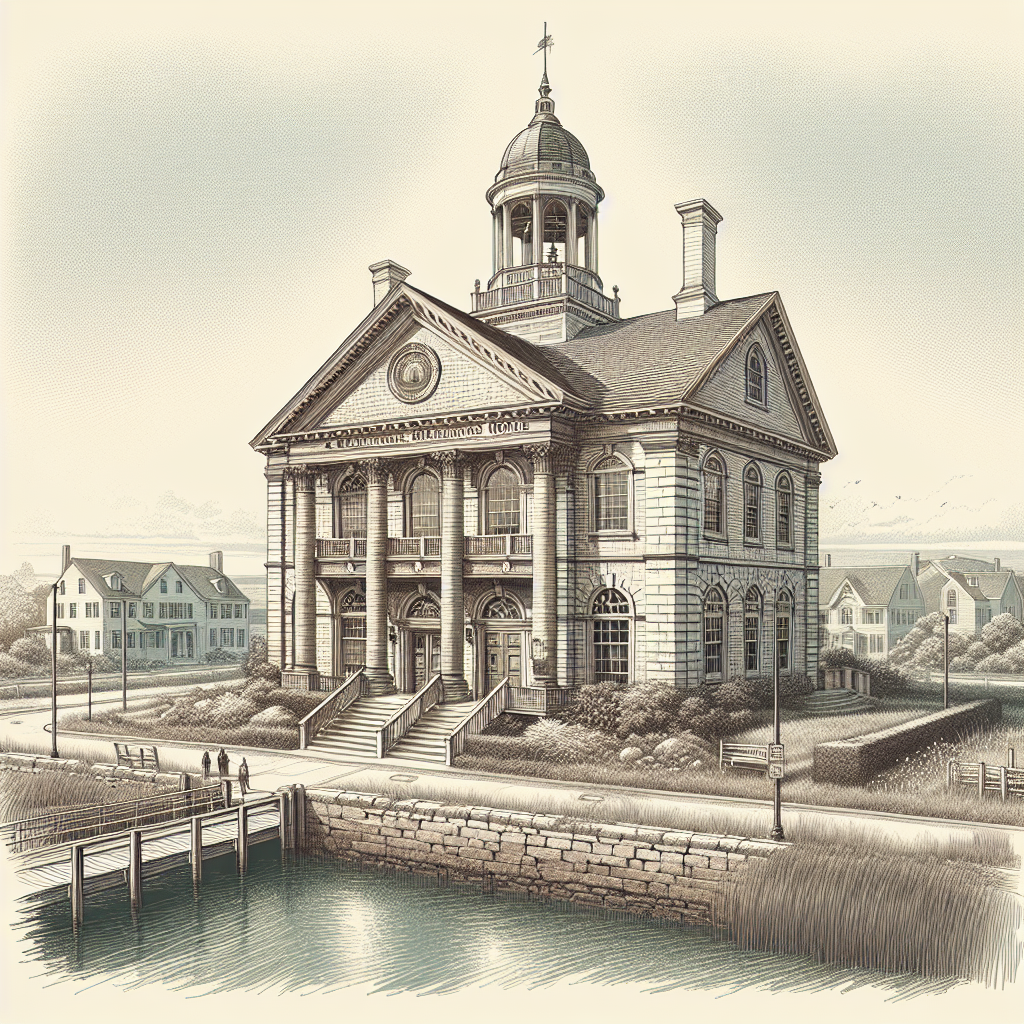

The Great Friends Meeting House: A Historic Gem in Newport
Imagine stepping into a building that has witnessed over three centuries of history, where the walls have absorbed the whispers of countless generations. The Great Friends Meeting House, located in Newport, Rhode Island, is one such place. Built in 1699 by the Religious Society of Friends, commonly known as Quakers, this meeting house is the oldest surviving house of worship in the state. It stands as a testament to the Quaker community's influence in early American history and their commitment to simplicity, peace, and equality.
The Great Friends Meeting House was constructed during a time when Newport was a bustling colonial port. The Quakers, who were among the earliest settlers in the area, played a significant role in the town's development. They were known for their progressive beliefs, advocating for abolition, women's rights, and religious tolerance long before these ideas became mainstream. The meeting house served as a central hub for the Quaker community, hosting meetings for worship and business, as well as social gatherings.
Today, the Great Friends Meeting House is a cherished historical site, offering visitors a glimpse into the past. Its simple yet elegant architecture reflects the Quaker values of humility and functionality. The building's unadorned wooden benches and large windows create a serene atmosphere, inviting contemplation and reflection. The meeting house is now part of the Newport Historical Society, which works to preserve and share the rich history of the area with the public.
While the Great Friends Meeting House is a symbol of Quaker heritage, it also represents broader themes in American history. The Quakers' commitment to social justice and equality resonates with many contemporary issues. Their early advocacy for abolition and gender equality laid the groundwork for future movements. Visiting the meeting house offers an opportunity to reflect on how far society has come and the work that still needs to be done.
Some might argue that preserving old buildings like the Great Friends Meeting House is not worth the resources, especially when there are pressing modern issues to address. However, maintaining historical sites is crucial for understanding our past and learning from it. These places provide context for the present and inspire future generations to continue the fight for justice and equality. The meeting house is not just a relic of the past; it is a living reminder of the values that have shaped our society.
For Gen Z, who are often at the forefront of social change, the Great Friends Meeting House offers valuable lessons. It shows how a small community can have a significant impact on the world. The Quakers' dedication to their principles, even when they were unpopular, is a powerful example of standing up for what is right. In a time when activism and advocacy are more important than ever, the meeting house serves as a source of inspiration and a call to action.
The Great Friends Meeting House is more than just a historical building; it is a symbol of resilience and progress. It reminds us of the importance of community, the power of conviction, and the enduring impact of those who dare to challenge the status quo. As we continue to navigate the complexities of the modern world, the lessons from this humble meeting house remain as relevant as ever.