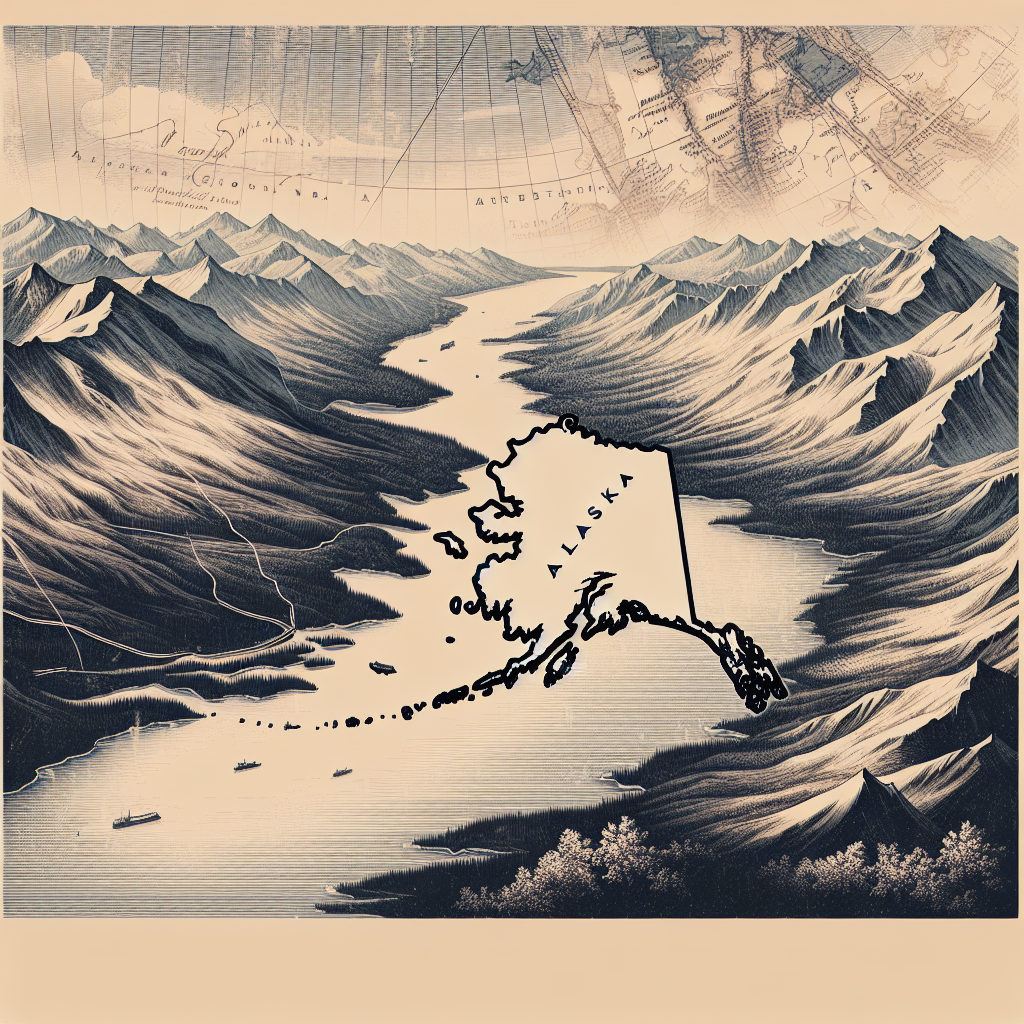

Picture this: A vast wilderness where moose outnumber people and where Northern Lights paint the winter sky. This awe-inspiring state is Alaska, governed by a system as unique as its geography. Governed officially since 1959, Alaska operates under a state government that mirrors all 50 states in the U.S., composed of executive, legislative, and judicial branches. At its helm stands the governor, currently Mike Dunleavy (as of 2023), with the intent to meld traditional Alaskan values with modern governance. The capital of Alaska is Juneau, but much of the political activity also resonates through Anchorage and Fairbanks, each serving as a hub of cultural and political significance.
Alaska’s government, much like other states, administers a blend of liberal and conservative policies. Historically, Alaska leans red with a significant inclination towards Republican ideologies. However, the Land of the Midnight Sun isn’t entirely predictable. Many Alaskans champion individual rights, which sometimes translates into policies that might surprise typical partisan paradigms. For instance, many liberals appreciate the state's embrace of individualistic attitudes such as the regulation of land use in ways that foster personal freedoms.
One of the major issues at the heart of Alaska's political discourse is resource management. Alaska is blessed with rich natural resources. Oil, gas, timber, and seafood are crucial not just for the state's economy but also for its identity. The sheer volume of these resources can set off debates about environmental conservation versus economic growth. Those on the right argue that development of these resources supports jobs and fosters economic independence, while those on the left often advocate for more stringent conservation practices to combat climate change.
The Permanent Fund Dividend (PFD) is another defining aspect of Alaskan government—a topic almost sacred among residents. It's a unique program where the state invests oil revenues to ensure residents receive an annual share of oil profits. The fund helps sustain communities and is especially essential for those living in rural areas, where the cost of living is high. Even here, though, debates abound. Discussions about whether to increase or decrease this dividend often expose social divides, as conservatives typically campaign for hikes in payouts, while liberals might call for moderation, directing more funds towards education or social services instead.
Alaska's indigenous populations are prominently influential in politics. They often face the tricky task of maintaining cultural heritage while integrating into modern governance structures. There’s an increasing push for laws that respect tribal sovereignty and incorporate indigenous perspectives into environmental policy-making. Notably, there’s also a significant dialogue around how to best address the social and health disparities indigenous communities face. Many liberals express empathy towards these challenges and work in tandem with Native communities to promote equity.
Education in Alaska reflects the state’s unique challenges. With vast distances between many towns and cities, internet access is often limited. This challenge poses significant barriers to digital learning, a problem that’s become more acute in the post-pandemic world. There are ongoing debates on how best to fund education and whether to emphasize a focus on trades and local resource management, alongside more conventional academic subjects.
Alaska's political spectrum can sometimes seem polarizing, yet there’s a distinctive streak of pragmatism that cuts across party lines. Because of the state’s geographic isolation and unique challenges, communities often operate more cooperatively than they might elsewhere in the U.S. Take the example of climate change—an existential threat in Alaska. The impacts, like rapidly melting permafrost and increasing coastal erosion, are undeniable. Many communities lean towards the scientific consensus and join forces across the aisle to seek sustainable solutions.
Immigration is less of a talking point in Alaska than in other states, yet it plays a crucial role in labor-intensive industries like fishing and tourism. The seasonal influx of workers raises its own set of discussions centered around economic needs and cultural integration.
Healthcare costs in Alaska are notoriously high, driven by the remoteness of many communities and a lack of access to physicians. The challenge here is making healthcare affordable and accessible. While conservatives may propose market-driven solutions, liberals more frequently advocate for expanded public services and reimbursements to cover air travel for patients in emergencies.
Alaska's extraordinary characteristics make its government singular in many aspects. Balancing between economic development and environmental stewardship, catering to both urban and rural lifestyles, and honoring both modern and traditional values—these are the defining trials. For Gen Z, interested in environmental sustainability, equality, and progressive change, Alaska's spirited blend of independence and community provides an insightful study in contrasts.