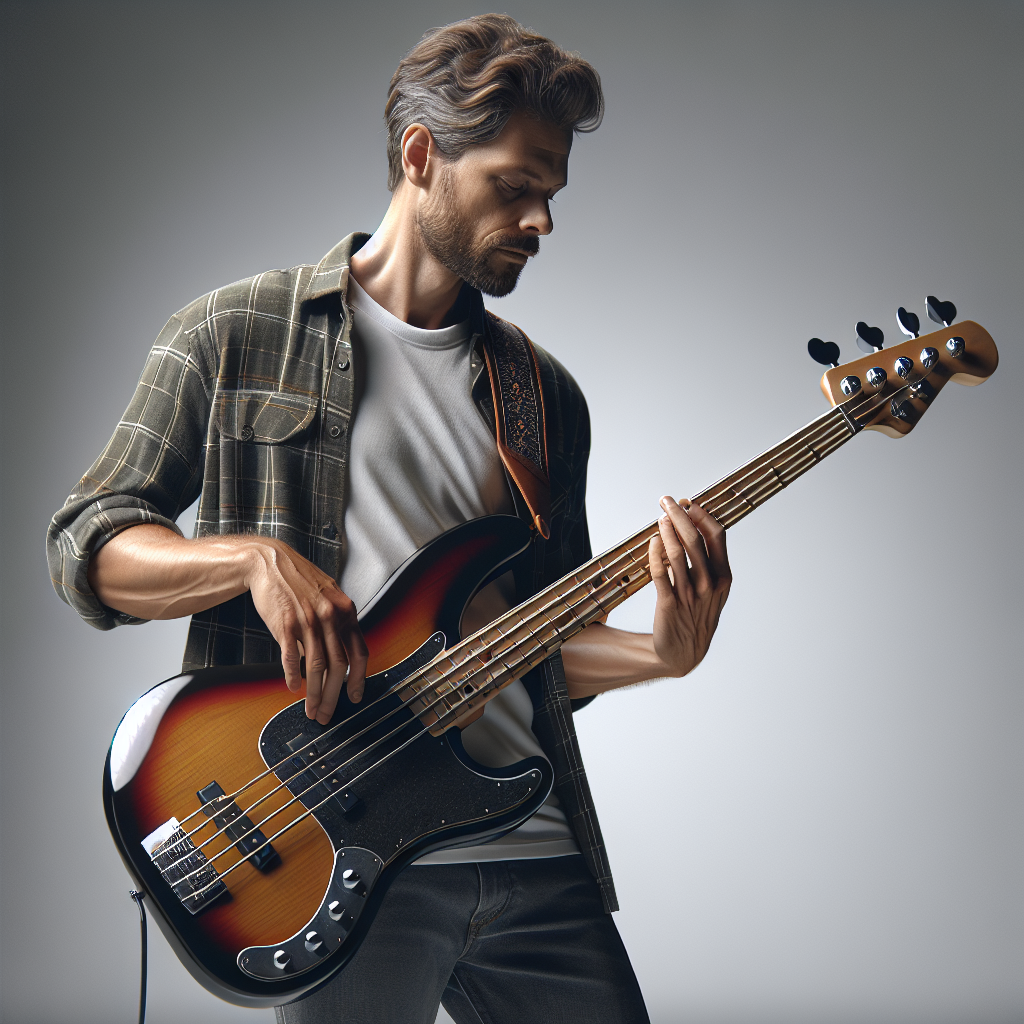

Glenn Worf is like the bass-playing ninja of Nashville: his masterful work is everywhere, yet few listeners know his name. Hailing from Dayton, Ohio, Glenn’s journey began in the 1980s when he moved to Nashville, Tennessee, nestling himself into the music city’s heart. He plays the bass guitar like it’s a natural extension of his body, adding richness and depth to countless recordings across genres, though primarily in country and Americana. His work over the decades includes collaborations with giants like Mark Knopfler and Bob Dylan, cementing his reputation as a critical yet understated figure in the modern music landscape.
Worf is a prime example of a musician whose impact reverberates well beyond the soundboards he frequents. He's participated in crafting sounds that produce memories, even if he's not always in the spotlight himself. Those who know music well recognize that his bass lines aren’t simply accompaniments; they’re essential, like the sturdy foundation of a towering skyscraper. He’s someone whose expertise might slip unnoticed beneath soaring vocals and guitar solos, yet removers like him would make the entire structure wobble.
This phenomenon of being an unsung hero is not uncommon in the music industry, an arena that often prioritizes vocals and lead instruments in its celebrity culture. Yet there's a growing acknowledgment, especially among dedicated fans and young musicians, of the critical roles played by session musicians. Artists like Worf demonstrate that the heartbeat of a band isn't found just in flashy performances—it’s in the rhythm, the consistency, and the subtle notes that crawl under your skin without you even realizing.
Born on March 24, 1952, Glenn Worf’s career trajectory is intriguing. He moved through different musical landscapes, absorbing influences that began with American roots music. His work with Dire Straits' lead guitarist Mark Knopfler has been among the most high-profile gigs on his resume, contributing to a sound that's widely appreciated across demographics. Whether you’re consciously thinking about the bass or not, Worf’s work has a way of wrapping you into the song. It’s profound for its subtlety and depth—a nuanced balance of technical skill and soulful resonance.
Some might ask why musicians like Worf opt to stay backstage when they could chase fame themselves. The answer might lie in the joy of creation and collaboration, a craft perfected over years of rigorous practice and a passion for musical creativity. For Worf, it seems, providing the rhythmic backbone for a song is a fulfilling endeavor all its own, without needing the limelight to justify his contributions.
Interestingly, the supporting role of session musicians often carries an aura of mystique amongst fans. There's something intriguing about these individuals who choose to weave art while remaining at the periphery of fame. Glenn Worf is part of that unique club of artists whose satisfaction comes from behind-the-scenes artistry, elevating an album or a song to its highest potential. This quiet artistry offers a refreshing contrast in an industry often dominated by the next rising sensation or viral hit.
Moreover, looking at Worf's career offers a reminder about the layers of teamwork behind our favorite tracks. Recognizing this collective effort can lead to more appreciation of music’s collaborative spirit. It invites music lovers, particularly those in generations not traditionally exposed to jazz roots or earlier country stylings, to investigate what it means to contribute anonymously to cultural landmarks.
While mainstream discussions often bypass the contributions of figures like Worf, online discussions among fans and music communities continue to highlight and appreciate his work. This scrutiny of the industry's power dynamics and focus on lead figures gives a sense of justice when they acknowledge supporting musicians.
Yet, from a different viewpoint, one might say that the invisible nature of session work is exactly what keeps such roles pure. The lack of expectation for fame allows musicians to hone their craft without compromise, focusing purely on artistry. This aligns with the thinking of those who claim that music is best made when the stakes of commercial success are removed.
For Gen Z, often centered around both independence and innovation, the story of Glenn Worf presents an opportunity for reflection on what it means to contribute to something larger than oneself. In an age when technology allows instant stardom, the dedication to art for its own sake is a narrative worth consideration.
Glenn Worf remains a testament to the depth and breadth of the music industry’s silent contributors. His legacy wraps itself seamlessly into the rhythms and melodies so beloved within the tapestry of modern music culture. His influence, though often unnamed, is a guiding beat that holds together many timeless tracks. For those who take the time to listen more closely, that name becomes anything but forgettable.