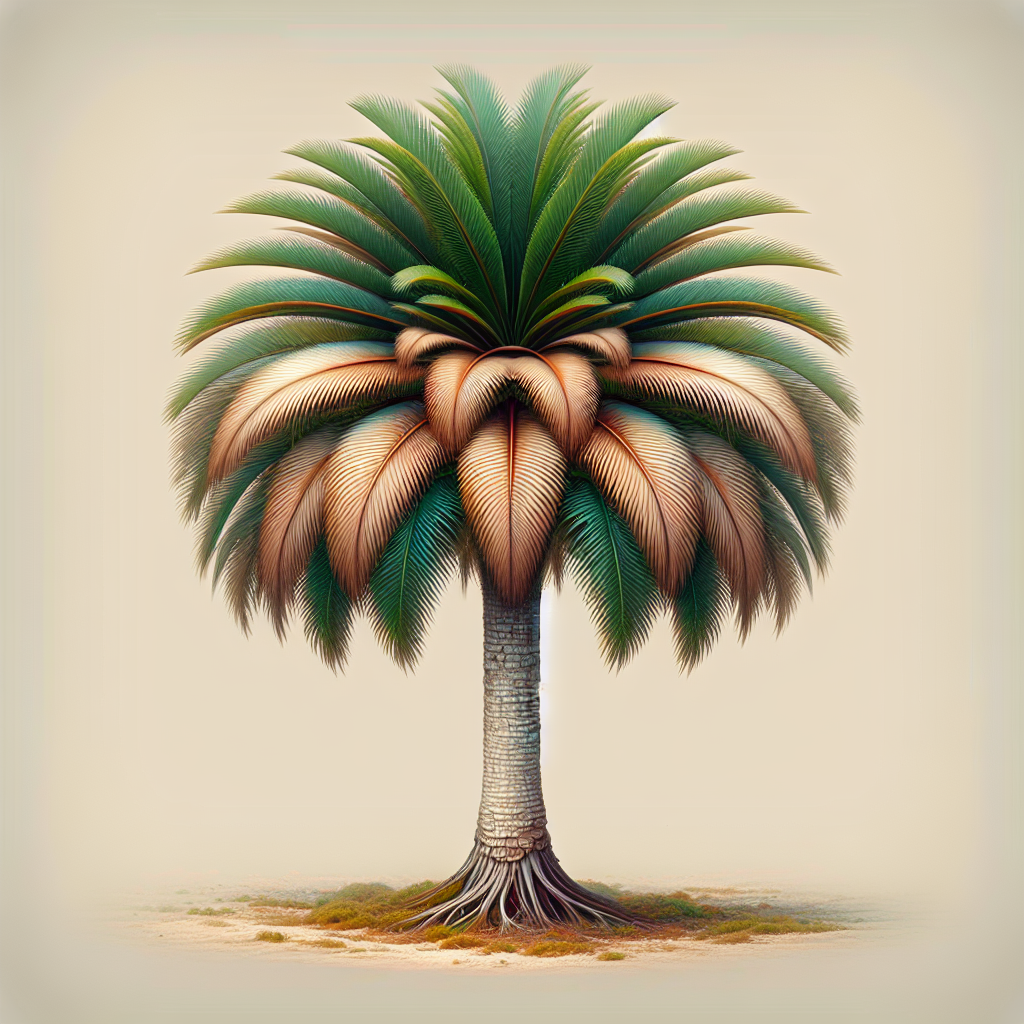

The Enigmatic Gaussia Attenuata: A Palm with a Purpose
Imagine a palm tree that not only adds beauty to the landscape but also plays a crucial role in its ecosystem. Meet Gaussia attenuata, a fascinating species of palm native to the Caribbean, specifically Puerto Rico and the Virgin Islands. This palm, often found in limestone forests and coastal areas, has been around for centuries, thriving in its natural habitat. Its presence is not just about aesthetics; it serves as a vital component of the local ecosystem, providing food and shelter for various wildlife species. The Gaussia attenuata is a testament to nature's intricate balance and the importance of preserving biodiversity.
Gaussia attenuata, also known as the Puerto Rican Gaussia, is a slender, graceful palm that can reach heights of up to 10 meters. Its trunk is smooth and gray, topped with a crown of feathery, arching fronds. This palm is not just a pretty face; it produces small, red fruits that are a food source for birds and other animals. The palm's ability to thrive in rocky, nutrient-poor soils makes it a resilient species, capable of withstanding the harsh conditions of its native environment. This resilience is a key factor in its ecological role, as it helps stabilize the soil and prevent erosion in its coastal and forest habitats.
The significance of Gaussia attenuata extends beyond its ecological contributions. For the local communities in Puerto Rico and the Virgin Islands, this palm holds cultural and economic value. It is often used in landscaping and gardening, appreciated for its aesthetic appeal and low maintenance requirements. Additionally, the palm's leaves and fibers have been traditionally used in crafting and construction, showcasing its versatility and importance to the local economy. The Gaussia attenuata is a symbol of the region's natural heritage, representing the unique flora that defines the Caribbean landscape.
However, like many native species, Gaussia attenuata faces threats from human activities and environmental changes. Deforestation, urban development, and climate change pose significant risks to its survival. The loss of habitat and the introduction of invasive species can disrupt the delicate balance of the ecosystems where this palm thrives. Conservation efforts are crucial to protect Gaussia attenuata and ensure its continued presence in the Caribbean. By preserving this palm, we are also safeguarding the biodiversity and ecological health of the region.
Understanding the importance of Gaussia attenuata requires empathy for the challenges it faces and a commitment to conservation. While some may argue that economic development should take precedence over environmental concerns, it is essential to recognize that the two are not mutually exclusive. Sustainable development practices can allow for growth while preserving the natural resources that are vital to the well-being of both humans and wildlife. Protecting species like Gaussia attenuata is not just about saving a single plant; it is about maintaining the intricate web of life that supports us all.
For Gen Z, the task of preserving biodiversity and promoting sustainability is more pressing than ever. The Gaussia attenuata serves as a reminder of the beauty and complexity of our natural world, and the responsibility we have to protect it. By advocating for conservation and supporting policies that prioritize environmental health, we can ensure that future generations will continue to enjoy the rich diversity of life on our planet. The story of Gaussia attenuata is one of resilience and hope, a call to action for all who care about the future of our world.