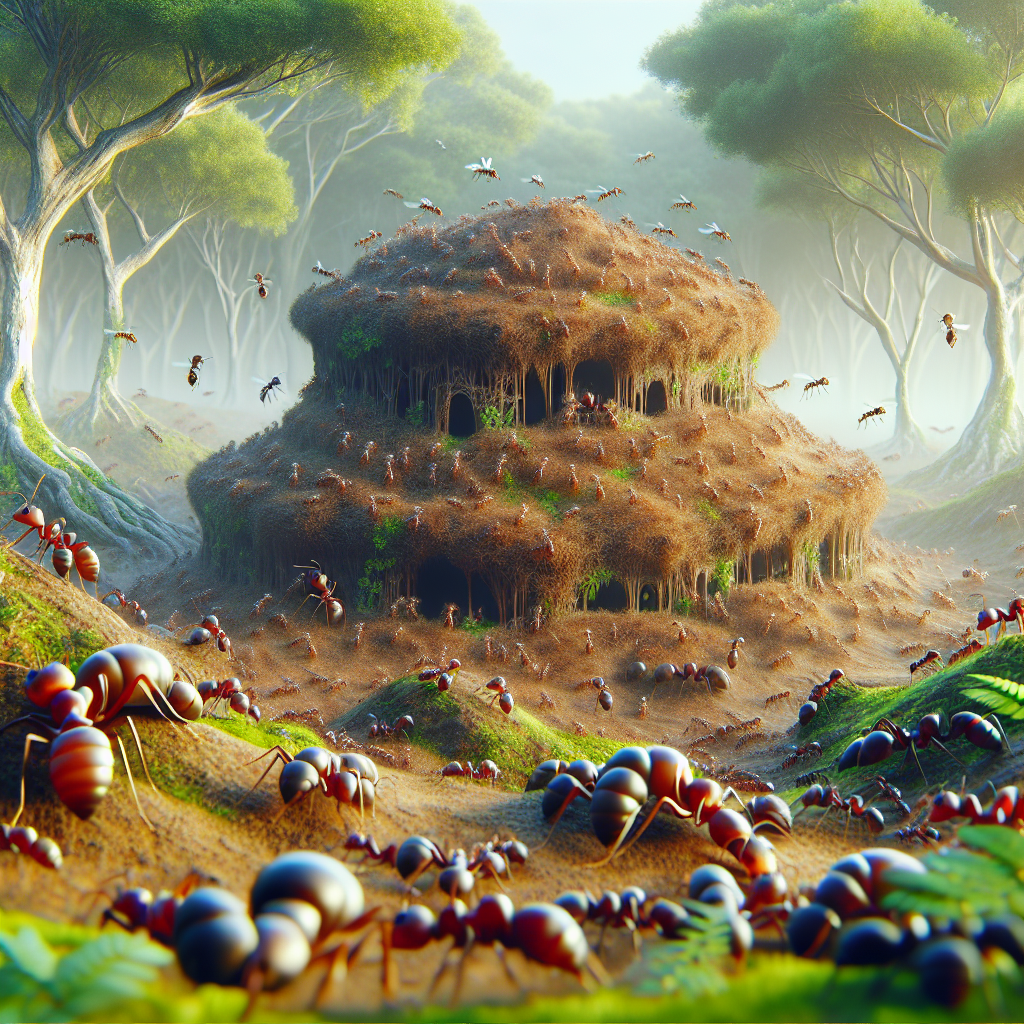

Ants, the tiny dynamos of the ecosystem, are everywhere—underfoot, in gardens, kitchens, and occasionally making surprise visits during a picnic. These industrious insects belong to the Formicidae family. They've been around for millions of years, evolving from wasp-like ancestors in the Jurassic period. Known for their social structures, ants thrive in diverse habitats across the globe. If you've ever stopped to watch ants lugging food or building intricate tunnels, you might wonder how such small creatures exert so much influence on their environment.
Ants are truly fascinating in how they've developed a community-centric way of living that's, in some ways, akin to our own. They work hard and live by some of the most efficient societal systems. Each ant has a role. There are workers, soldiers, and queens—all contributing to the colony's upkeep and survival. Their collaboration and communication are key, much like a bustling city, but on a miniature scale.
However, the presence of ants isn't always a warm welcome. They come creeping in with their own agendas: to search for food, establish colonies, and expand territory. Urban and rural areas alike aren't spared from their relentless quests. It’s no wonder humans have tried every trick in the book to keep them at bay, from sealing up entry points to employing chemical warfare through pesticides.
This brings up an interesting dichotomy. On one hand, ants play pivotal roles in aerating soil, controlling pests, and even fostering plant growth by dispersing seeds. Their ecological benefits are immense. On the other, they can be an invasive nuisance, damaging wooden structures and contributing to crop failure. Nature seems to have a love-hate relationship with these critters, and so do we.
The remarkable thing about ants is their ability to adapt. They've evolved to survive harsh conditions, working together to overcome obstacles in their environment. Yet, despite their resilience, human intervention often disrupts their natural behaviors. The deforestation and urban developments can severely impact ant populations, altering the delicate balance of ecosystems. Here lies the ethical dilemma. Do we prioritize our comfort, or do we accommodate the needs of these tiny creatures who significantly contribute to ecological health?
Engaging with ants, understanding their utility and nuisance value, poses a reflection of larger societal values—balance between progress and conservation. The ethical choice isn't always clear-cut. Some ants, like the fire ant, are aggressively invasive and cause ecological harm and health risks. Others, like leafcutter ants, are essential in their native environments for their roles as decomposers and in nutrient cycling.
The intrigue doesn't end here. Ants communicate using pheromones, leaving scent trails that guide others to food sources or alert them to danger. Their sophisticated communication system is comparable to a high-tech navigation system but developed by nature long ago. isn't it fascinating how a simple scent can coordinate such extensive teamwork?
From a philosophical perspective, ants teach us lessons in humility. Though small, they achieve monumental tasks through cooperation and persistence. They thrive as a collective, an idea that modern society sometimes struggles with. In the face of climate change and environmental degradation, perhaps a look at the ant world could inspire us to adopt better collective lifestyles to combat global challenges.
And now, for a bit of empathy towards ant advocates who raise crucial points about their conservation. They argue that just like bees and butterflies, ants deserve habitat protection owing to their ecological roles and benefits. Moreover, some ants have medicinal potential. Research indicates that antimicrobial properties in certain ant species might inform development of new drugs or treatments.
Indeed, the journey of understanding ants veers into fascinating territories. They compel us to consider both their ecological importance and the inconvenience they create in daily life. In ants, we find a balance—efficient, industrious, and sometimes bothersome neighbors sharing our world. As we tread on with progress, let's remember these tiny engineers and neighbors, shaping our earthy tapestry in ways we rarely notice, but definitely benefit from.