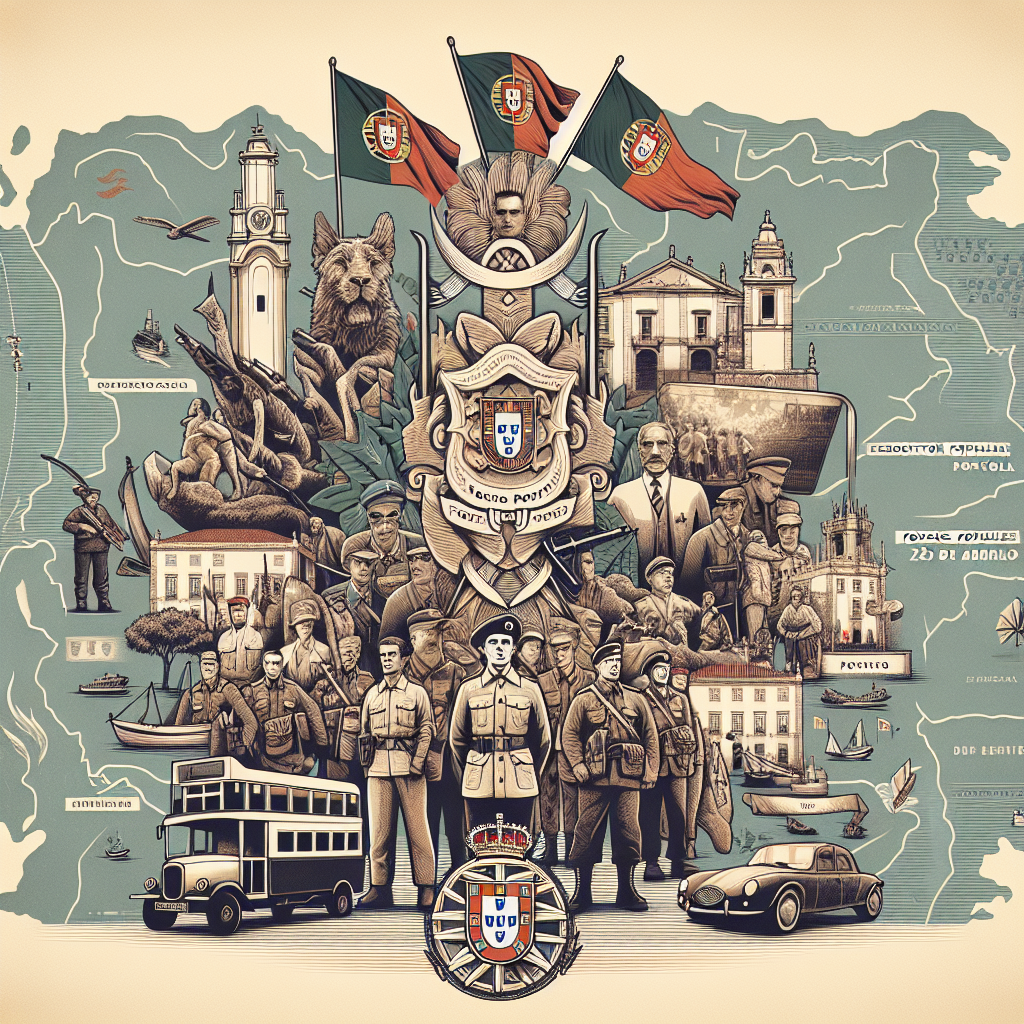

April 25, 1974, was a day that defied expectations, shaking Portugal’s foundations with an unanticipated twist of peaceful military power. The Forças Populares 25 de Abril (FP-25), an insurgent group, emerged in the aftermath of the Carnation Revolution, illustrating the ongoing struggle against political oppression. The revolutionary spirit that blossomed from that historical upheaval set the stage for FP-25’s creation in 1980, motivated by a quest to ensure true liberation from authoritarian legacies.
In a country transitioning from decades of dictatorship into the unpredictable realms of democracy, FP-25 sought to challenge the perceived inadequacies of the new system. They believed in rehabilitating overlooked socio-economic grievances left unresolved after the dictatorship fell. Envisioning a more significant shift than the one accomplished by the revolution, they resorted to armed struggle as a means to enforce political change.
However, their actions painted a complex picture. Primarily operating in the 1980s, FP-25 came into focus as they executed bank heists, bombings, and attempted assassinations. They pursued their objective of transitioning Portugal into a communist society by employing direct methods that mirrored historical insurgent strategies worldwide. While their intentions echoed noble aspirations of social equity and justice, the violence they enacted alienated many who initially yearned for radical change.
The group’s foundation was deeply intertwined with broader global currents of left-wing militancy that characterized Cold War politics. The ideological tug-of-war between capitalism and communism was not just a backdrop but a driving force for such militant factions. It was a period when revolutionary rhetoric resonated with those feeling marginalized. Nonetheless, as is often the case, the allure of revolutionary positions was dimmed by the harsh realities of violent actions and their inevitable human costs.
FP-25’s operations sharply divided public opinion. For some, they were freedom fighters using last-resort methods in a society where traditional approaches to reform seemed futile. Others saw them as dangerous radicals, jeopardizing the stability of a newly democratic Portugal. This dual perception highlights a fundamental tension in how armed insurgency is viewed: is it a legitimate form of resistance or a reckless disruption of peace?
Their downfall was catalyzed by several factors, including successful counter-terrorism measures by the Portuguese government and shifts in public support. The capture of key members during the 1984-1987 period marked the beginning of the group’s dissolution. The government's strategy to restore order illuminated the limits of violent interventions in political processes. It reinforced the emerging consensus that dialogue and democratic participation are more sustainable paths for social transformation.
Yet, the FP-25 era remains a poignant reminder that political systems failing to address deep-seated inequalities risk breeding discontent that can escalate into extremism. Their legacy is controversial but educational, capturing the post-revolutionary turbulence that many nations experience. Understanding their motivations and actions provides insight into the broader challenges faced by young democracies.
Despite their ultimate failure, FP-25’s story serves as a crucial case study reflecting the delicate balance between government response and radical opposition. It underscores the need for governments to deeply engage with societal issues, lest violent alternatives gain undue appeal. In reflecting upon FP-25’s legacy, it’s vital to recognize both the historical specificity and universal potential for such movements to re-emerge in conditions of chronic social injustice.
In examining these events, acknowledging the grievances that fueled FP-25’s actions is essential while simultaneously condemning their violent tactics. The story of FP-25 reminds us of the complexities inherent in political transformations, where the power to inspire change must be carefully wielded. It invites reflection on how societies nurture genuine political dialogue without resorting to violence.