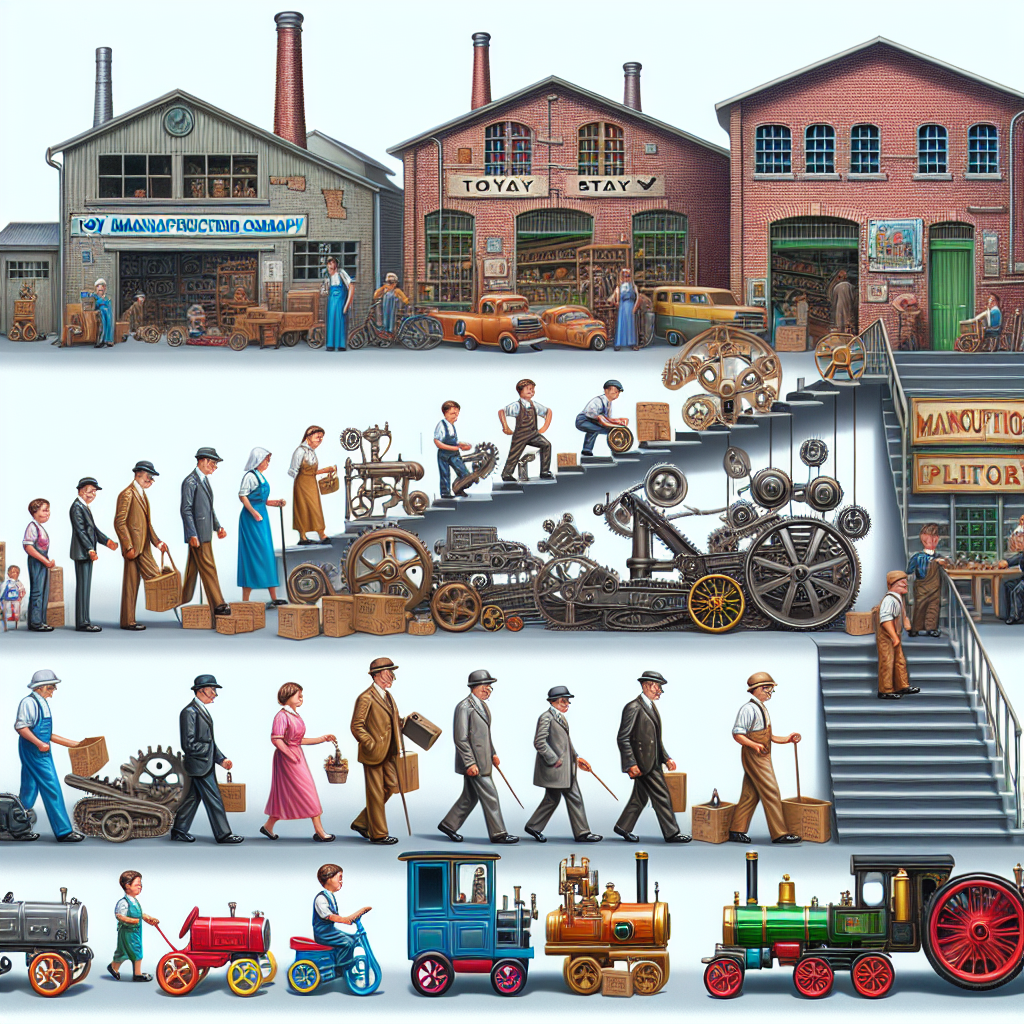

The Ferdinand Strauss Company didn't just make toys; it made memories packed in delightful tin wrappers. Founded by Ferdinand Strauss in the vibrant city of New York in 1914, this company became one of the most important toy manufacturers in America's early 20th century. Imagine a world where toys hum with the clink and whirr of clockwork machines, charming children with imaginative, lively playthings that didn’t rely on batteries or screens. That’s the world Strauss was growing in.
Strauss was German by birth and emigrated to the U.S., bringing with him a fascination for tin toys, which were highly popular in Europe. At a time when children’s play focused more on imagination and creativity, Strauss tapped into this burgeoning market with toys made from simple yet durable materials. The innovation of Strauss lay not only in the toys themselves but also in how they were marketed and distributed. The company understood the power of storytelling and the allure of playful innovation. Their toys ranged from whimsical cars and trucks to character-themed pieces, like Felix the Cat, that captured the zeitgeist of the roaring twenties.
For those who love tangibles in this digital age, Strauss's toys win hands down. These toys were not just everyday items. They were crafted pieces of art, and every detail spoke of the painstaking efforts that went into making them. The bright, lithographed tin creations didn’t just serve a functional purpose; they were an expressive art form that engaged children in a meaningful way. But like all industries, the context and times were fraught with challenges. The 1920s were marked by post-war economic adjustments, and the toy industry was not immune.
While Strauss was creating wonders, they weren’t the only player in town. Competition was fierce. But that’s synonymous with capitalism’s double-edged nature. The brilliance was accompanied by the challenges of maintaining intellectual property in an era when imitations were as common as originals. Some might say this is similar to today's struggle with patent wars in tech industries. It’s a dance between creativity and profitability, innovation and commodification.
Yet, in the dance, Strauss led gracefully till the Great Depression dealt a blow — one that turned treasuries to trinkets across numerous industries. Despite these setbacks, Strauss' story doesn't go without highlighting how industries often rise and fall, profoundly impacting their players. Strauss eventually did see a decline due to the cost and demand pressures of the time, paving the way for other companies that began shifting focus towards simpler, lower-cost toys.
It might seem strange now that entire industries once relied heavily on the tactile pleasure of tin and mechanical toys — a reminder of society's shifting values over time. While some view such shifts as necessary, keen observers note what we trade-off might be the very things that brought intangible joys and developmental benefits, now seemingly restricted by our digital constraints.
Yet there's always room for discourse here. Modern critics argue that these older say, clockwork toys weren't inclusive enough, often reflecting the societal norms of their time that limited broader representation and accessibility. In a world that now fights for inclusivity and equality across all scopes, it’s important to interrogate these past constructs. The graceful designs would sometimes eclipse the need to question representation, to ask who was celebrated and who was left behind.
The silver lining, however, appears when we view the world through a more empathetic lens. The lessons from Strauss’ era aren't void of positives. They remind us of the need for early collaboration, innovation’s role in society, and how industries can play pivotal roles in cultural storytelling. It connects threads of progress from past to present, an intricate fabric we continue to knit today.
While today's toys may look vastly different, the ideals around creativity and joy remain unchanged. They show us how with each bend of society's progress comes the need to look back, understand what was left unexplored, and rectify it using today’s tools. That’s how the legacy of companies like Strauss transcend through time — not just with toys, but with ideas and narratives that continue to inspire ingenuity and joy anywhere in the world.