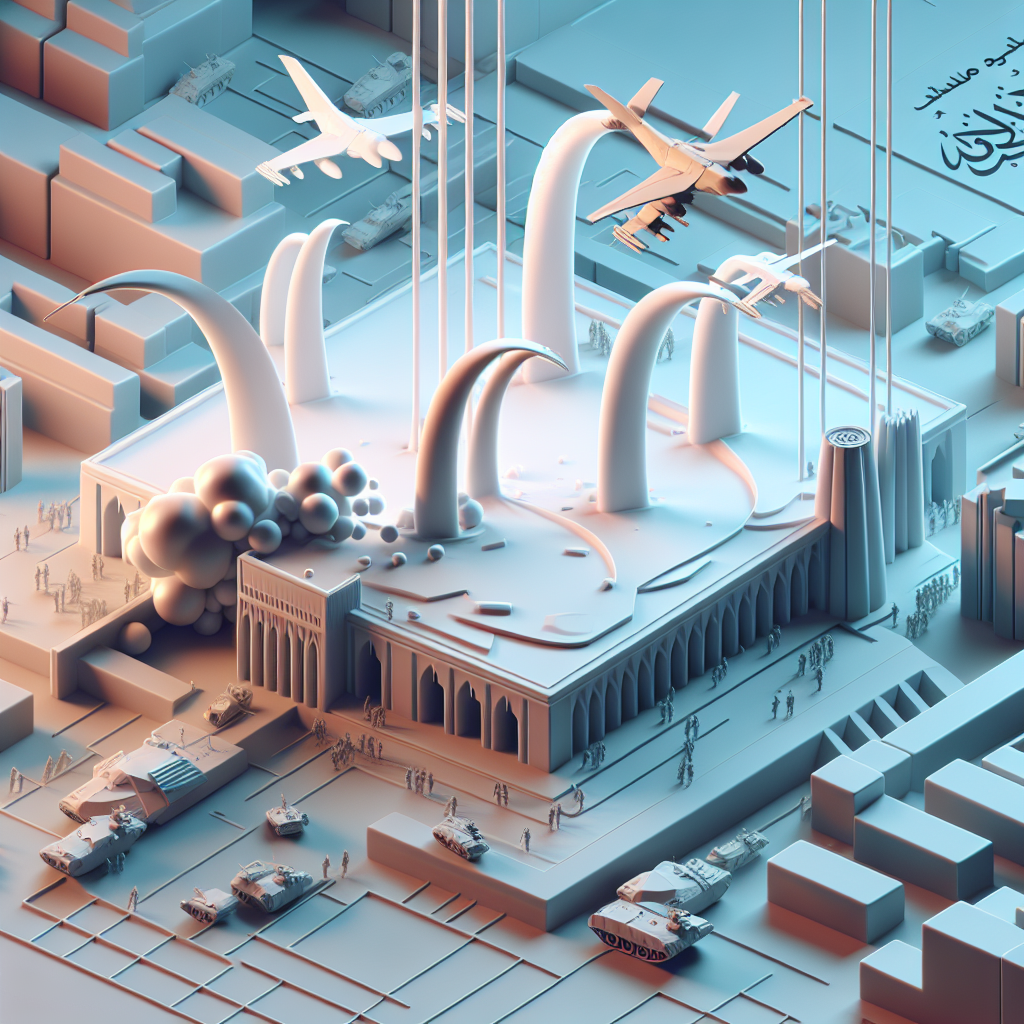

Imagine a city holding its breath as tides of change sweep through its streets. On November 13th, 2001, Kabul, the heart of Afghanistan, witnessed a significant shift in power with the unexpected fall of the Taliban. Following the horrific events of 9/11, the U.S., alongside its coalition forces, launched an invasion of Afghanistan, aiming to dismantle al-Qaeda and overthrow the Taliban regime. This quick eventual collapse of Kabul was a dramatic turning point, fueled by political intrigue, fierce resistance, and the relentless momentum of international military forces.
The moment when Taliban forces retreated from Kabul was both surreal and inevitable, a culmination of persistent pressure from the Northern Alliance, backed robustly by U.S. airstrikes. The Northern Alliance, a coalition of anti-Taliban factions, had been struggling against the Taliban since their rise to power in the 1990s. With the U.S. providing air support and military hardware, this alliance moved from enduring resistance to effective offensive. Kabul without the Taliban was like a storm passing over; incredibly transformative, with an air of prospect.
For the local residents, the shift was bittersweet. On one hand, the Taliban's stringent enforcement of fundamentalist norms—banning music, strict dress codes, and severely limiting women's rights—had left a lasting scar on day-to-day life. A new sense of hope and optimism fluttered through the air. There was a sense of liberation in small freedoms like listening to music or women returning to schools and workplaces. Yet, on the other hand, the entrance of foreign forces injected a mix of uncertainty and skepticism about their motives and the lasting impact on their homeland.
Back in 2001, the Taliban's ideology gripped key parts of Afghanistan fiercely. Their retreat from Kabul granted a moment for the Afghan community to voice their long-silenced dreams and aspirations. However, forging peace came with the complex challenge of reconciling political ideologies, diverse ethnic backgrounds, and deep-rooted grievances born from years of conflict. Though relieved, Kabul dwellers worried about the intended permanence of these changes. Would these new forces erase the existing cultural identity or would they protect it while merely shifting power dynamics?
Supporters of the invasion hailed the fall of Kabul as a victory for democratic values against theocratic oppression. In the months following, steps were taken towards establishing a more representative governance model. Institutions, from media to schools, began to diversify and expand under the watchful eyes of international allies. The involvement of the United Nations and support from NGOs helped conduct efforts to lay the groundwork for democratic processes, such as organizing a Loya Jirga (grand assembly) to shape the country's transitional governance.
Yet, within this apparent success, there were critics who questioned the effectiveness of Western intervention. They worried about the longevity of these changes, fearing that without addressing the cultural and social complexities, these reforms might crumble at the first test. Moreover, the presence of foreign troops sparked debates about sovereignty and the credibility of a government backed by Western powers. Critics from different political spectrums shared a common concern: how long could the foreign forces maintain stability without indirectly perpetuating dependency?
The fall of Kabul in 2001 became a powerful narrative beacon. It signified a step away from a regime that denied basic human rights but also ignited discussions about the nature of freedom and the pathways to achieving it. It highlighted how military might could collaborate with local handling to orchestrate significant changes when those involved aimed for a common good. However, it also underscored the complexity and unpredictability inherent in cultural and political reconstruction.
For Gen Z, especially those who have grown up in an increasingly connected world, this historical moment reflects a broader theme—how global alliances work and sometimes falter. It provokes questions about how nations can support each other in navigating post-conflict scenarios and the challenges that come with rebuilding. Understanding Kabul's story also shines a light on the importance of sustaining engagement to nurture the fragile shoots of recovery amid long-standing disruptions.
21st-century geopolitics is a delicate tapestry of intertwined interests and reactions. The dramatic fall of a city like Kabul serves as a reminder that change can be both quick and startling, yet deeply challenging and layered. It raises questions of identity, sovereignty, and how best to champion human rights in an ever-interwoven world. As the scroll of history unravels, this episode remains a testament to the enduring struggle for peace and the nuances of liberation that echo well beyond city limits.