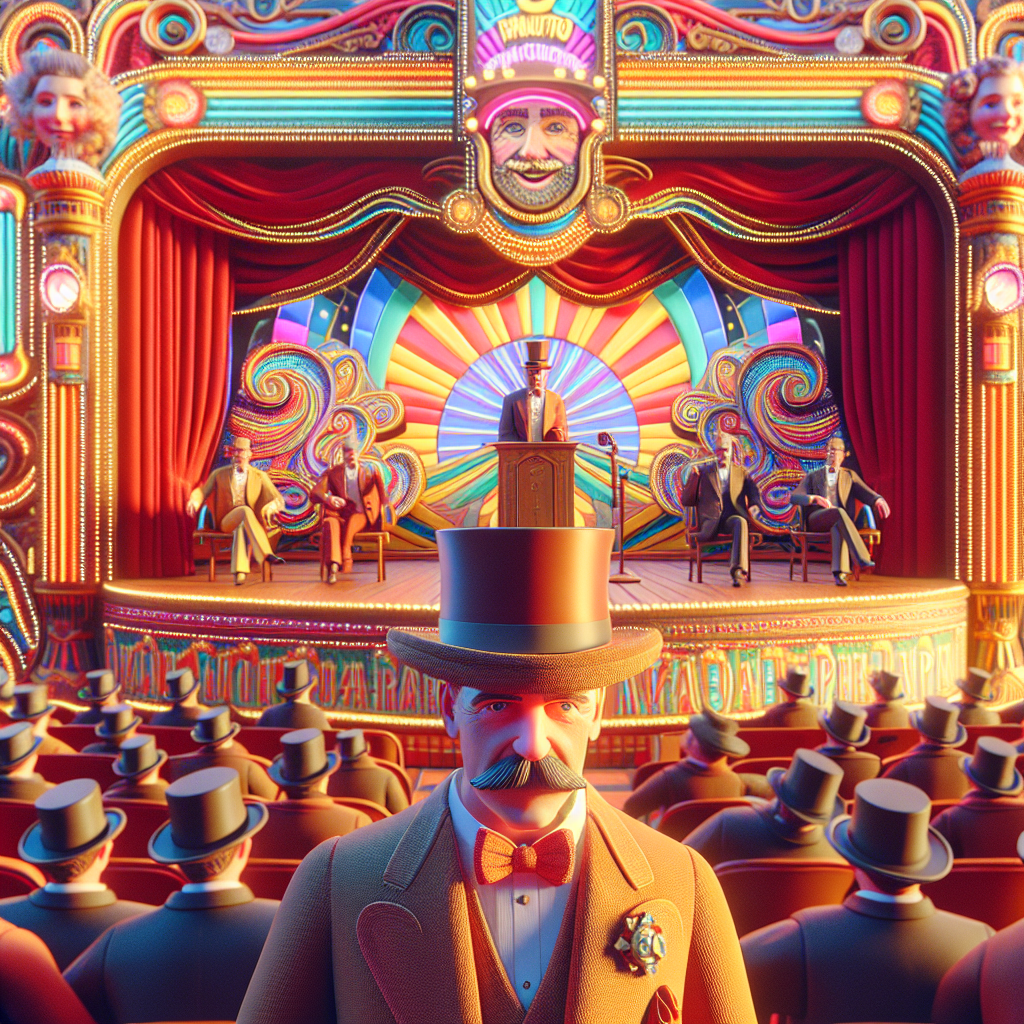

The Showman Who Revolutionized Entertainment: F. F. Proctor
Imagine a world where vaudeville was the Netflix of its time, and at the heart of this entertainment revolution was a man named F. F. Proctor. Born in 1851, Frederick Freeman Proctor was a visionary showman who transformed the American theater scene in the late 19th and early 20th centuries. He was a pioneer in the vaudeville circuit, a form of variety entertainment that was immensely popular across the United States. Proctor's influence was most prominent in New York City, where he owned and operated several theaters. His innovative approach to entertainment and business acumen made him a key figure in shaping the cultural landscape of his era.
Proctor's journey into the world of entertainment began in the 1870s when he started as a magician and ventriloquist. His passion for the stage and keen understanding of audience preferences led him to open his first theater in Albany, New York, in 1886. This was just the beginning of his empire. Proctor's theaters were known for their opulence and comfort, attracting a diverse audience eager for quality entertainment. He understood that people craved variety, and he delivered it by offering a mix of comedy, music, drama, and novelty acts, all under one roof.
What set Proctor apart from his contemporaries was his ability to adapt and innovate. He was one of the first to introduce continuous performances, allowing audiences to come and go as they pleased. This was a radical departure from the traditional theater model, where shows had fixed start and end times. Proctor's approach democratized entertainment, making it more accessible to the working class who could now enjoy a show at their convenience. This flexibility was a game-changer and contributed significantly to the popularity of vaudeville.
Proctor's success was not without its challenges. The rise of cinema in the early 20th century posed a significant threat to vaudeville. Movies were cheaper to produce and could reach a wider audience, leading to a decline in live performances. However, Proctor was not one to back down easily. He embraced the new medium by incorporating film screenings into his theater programs, ensuring that his venues remained relevant and profitable. This adaptability showcased his forward-thinking mindset and commitment to providing entertainment that resonated with the public.
Despite his success, Proctor's legacy is a subject of debate. Some argue that his business practices were ruthless, as he often engaged in fierce competition with other theater owners. He was known for buying out rival theaters and consolidating his control over the market. Critics claim that this monopolistic approach stifled creativity and limited opportunities for smaller acts. However, supporters argue that Proctor's vision and leadership were instrumental in elevating the quality of entertainment and setting high standards for the industry.
Proctor's impact on the entertainment world is undeniable. He was a trailblazer who understood the power of variety and the importance of adapting to changing times. His theaters were more than just venues; they were cultural hubs that brought people together and provided a platform for diverse talents. Proctor's legacy lives on in the modern entertainment industry, where the principles of variety and accessibility continue to shape how we consume content.
In reflecting on Proctor's life and career, it's essential to recognize the complexities of his contributions. While he was a shrewd businessman, he was also a passionate advocate for the arts. His ability to balance these roles is a testament to his ingenuity and dedication. As we look back on the history of entertainment, F. F. Proctor stands out as a figure who not only entertained but also inspired future generations to dream big and push the boundaries of what is possible.