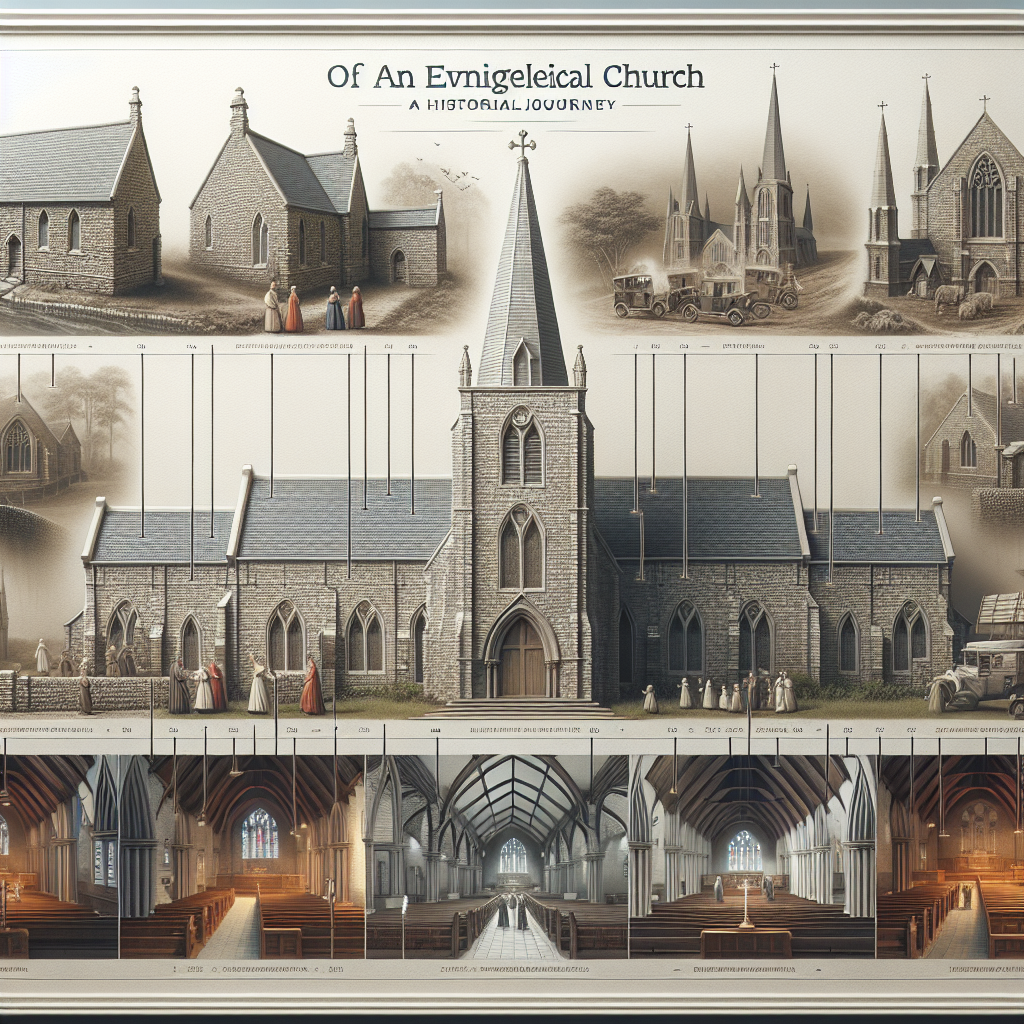

The Evangelical Church of Czech Brethren: A Historical Journey
Imagine a church that has stood the test of time, weathering political upheavals and societal changes for over a century. The Evangelical Church of Czech Brethren (ECCB) is precisely that institution. Founded in 1918 in the newly formed Czechoslovakia, the ECCB emerged as a unifying force for Protestants in the region. It was born out of the merger of two Protestant traditions: the Lutheran and the Reformed. This church has its roots deeply embedded in the rich soil of Czech history, drawing from the legacy of Jan Hus, a pre-Reformation reformer who challenged the Catholic Church's practices in the 15th century. The ECCB was established to provide a spiritual home for those who sought a faith that resonated with their national identity and historical consciousness.
The ECCB is not just a relic of the past; it is a living, breathing community that continues to play a significant role in Czech society. With around 70,000 members today, it is one of the largest Protestant denominations in the Czech Republic. The church is known for its commitment to social justice, education, and ecumenical dialogue. It operates numerous social service programs, including care for the elderly, support for families in need, and initiatives for environmental sustainability. The ECCB's emphasis on social responsibility reflects its understanding of faith as something that should be actively lived out in the world.
However, the ECCB's journey has not been without challenges. During the communist era in Czechoslovakia, the church faced significant persecution. The state sought to suppress religious expression, viewing it as a threat to its atheistic ideology. Many church leaders were imprisoned, and religious activities were closely monitored. Despite these hardships, the ECCB remained resilient, finding ways to sustain its community and continue its mission. This period of adversity strengthened the church's resolve and deepened its commitment to advocating for human rights and religious freedom.
In the post-communist era, the ECCB has had to navigate the complexities of a rapidly changing society. The Czech Republic is one of the most secular countries in Europe, with a significant portion of the population identifying as non-religious. This presents both a challenge and an opportunity for the ECCB. On one hand, it must find ways to remain relevant in a society that is increasingly indifferent to organized religion. On the other hand, it has the chance to redefine what it means to be a church in the modern world, focusing on community building, social engagement, and interfaith dialogue.
Critics of the ECCB might argue that its progressive stance on social issues and its openness to dialogue with other faiths dilute its religious identity. They may feel that the church should focus more on traditional evangelism and doctrinal purity. However, supporters of the ECCB would counter that its approach is precisely what makes it relevant and impactful. By engaging with contemporary issues and fostering inclusivity, the ECCB embodies a faith that is dynamic and responsive to the needs of the world.
The ECCB's story is a testament to the enduring power of faith to inspire change and foster community. It is a reminder that religious institutions can be forces for good, promoting values of compassion, justice, and understanding. As the ECCB continues to evolve, it will undoubtedly face new challenges and opportunities. Yet, its history suggests that it will meet these with the same resilience and commitment that have defined its journey thus far.