
The Curious Case of Epidendrum Cristatum: A Floral Marvel
Imagine a flower so captivating that it could easily be the star of a botanical mystery novel. Enter Epidendrum cristatum, a fascinating orchid species that has captured the attention of botanists and plant enthusiasts alike. This intriguing plant, known for its striking appearance, is native to the cloud forests of Central and South America, particularly thriving in countries like Costa Rica, Panama, and Colombia. Its unique structure and vibrant colors make it a subject of admiration and study, as it blooms in the wild, often at elevations between 1,000 to 2,500 meters. The allure of Epidendrum cristatum lies not only in its beauty but also in its ecological significance and the role it plays in its natural habitat.
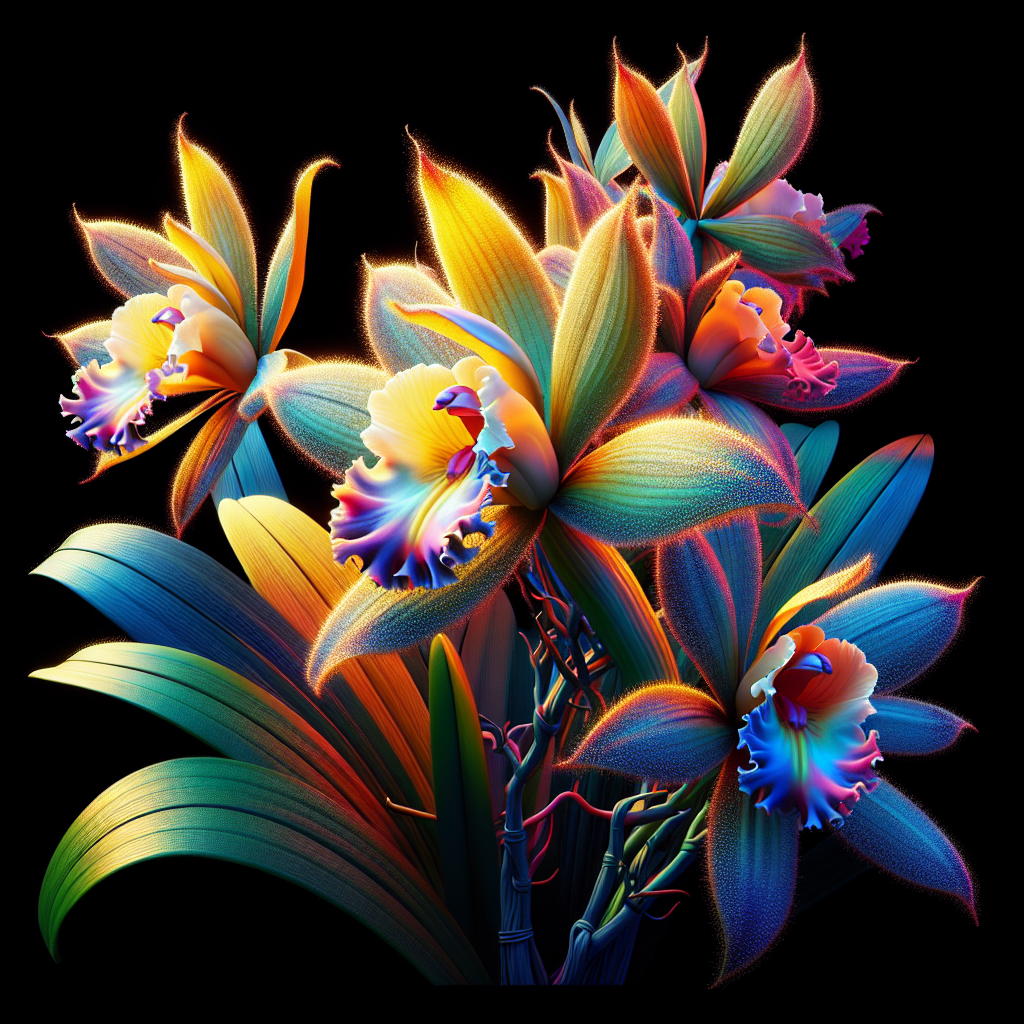
Epidendrum cristatum is a member of the Orchidaceae family, one of the largest and most diverse plant families on Earth. This particular species is known for its long, slender stems and clusters of small, star-shaped flowers that can range in color from greenish-yellow to a more vibrant orange. The flowers are often adorned with a fringed lip, giving them a distinctive and somewhat whimsical appearance. These orchids are epiphytic, meaning they grow on other plants, usually trees, without drawing nutrients from them, which allows them to thrive in the nutrient-poor environments of cloud forests.
The ecological role of Epidendrum cristatum is as captivating as its appearance. Orchids like this one are crucial for the ecosystems they inhabit. They often engage in complex relationships with pollinators, such as bees and hummingbirds, which are attracted to their bright colors and sweet nectar. These interactions are vital for the reproduction of the orchids and the survival of the pollinators, creating a delicate balance within the ecosystem. Additionally, as epiphytes, they contribute to the biodiversity of the forest canopy, providing habitat and resources for a variety of organisms.
However, the existence of Epidendrum cristatum is not without challenges. The cloud forests where these orchids thrive are under threat from deforestation, climate change, and human encroachment. As these habitats shrink, the survival of many orchid species, including Epidendrum cristatum, becomes increasingly precarious. Conservation efforts are essential to protect these unique ecosystems and the myriad of species that depend on them. This includes establishing protected areas, promoting sustainable land use practices, and raising awareness about the importance of preserving biodiversity.
While the beauty and ecological importance of Epidendrum cristatum are undeniable, it's also important to consider the perspectives of those who may be affected by conservation efforts. Local communities living near these cloud forests often rely on the land for their livelihoods, whether through agriculture, logging, or other means. Balancing the needs of these communities with the imperative to conserve natural habitats is a complex challenge. Engaging with local populations, respecting their knowledge and traditions, and finding ways to support sustainable development are crucial components of any successful conservation strategy.
Epidendrum cristatum serves as a reminder of the intricate connections between species and their environments. Its story is one of beauty, ecological significance, and the ongoing struggle to protect our planet's natural wonders. By appreciating and understanding these connections, we can work towards a future where both nature and humanity can thrive.