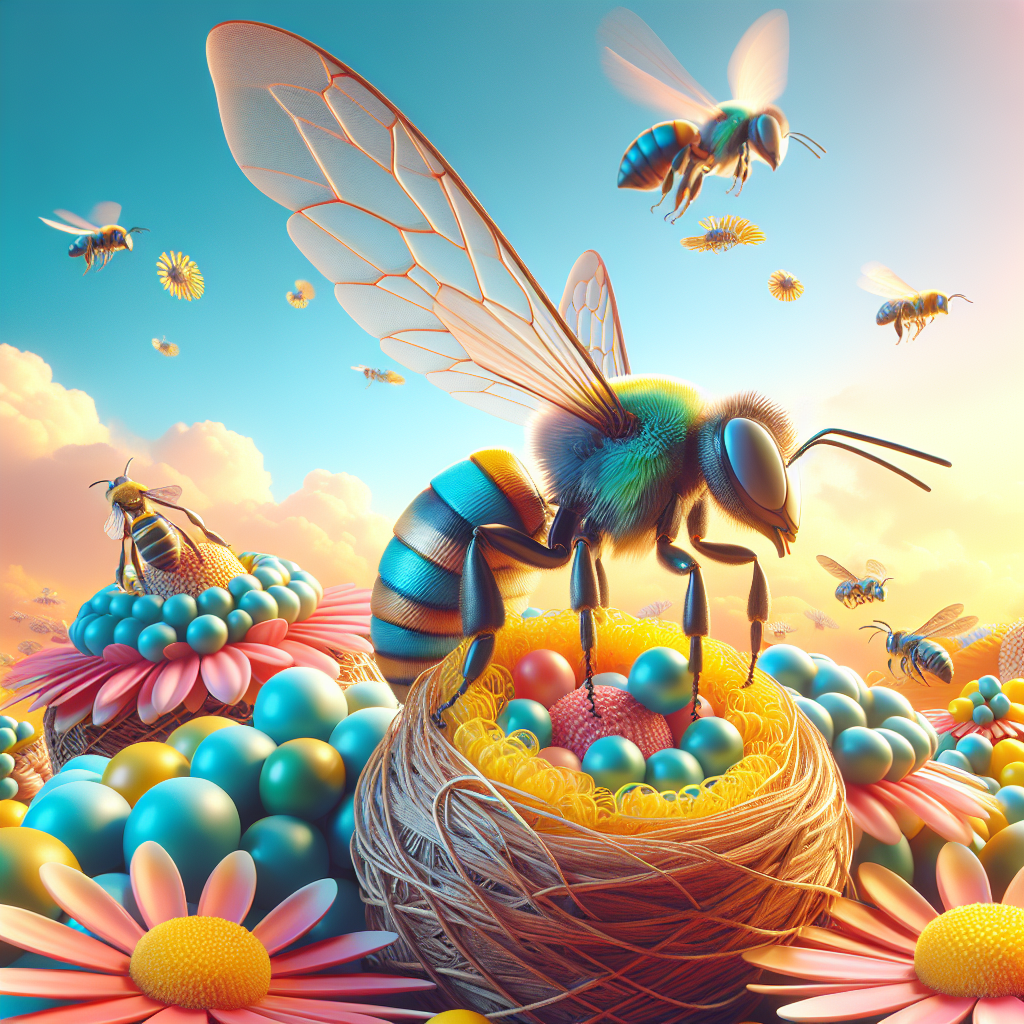

The Buzz About Epeolus Carolinus: A Bee Like No Other
Imagine a bee that doesn't make honey, doesn't live in a hive, and has a lifestyle that could rival the most cunning of spies. Meet Epeolus carolinus, a fascinating species of cuckoo bee that has intrigued entomologists and nature enthusiasts alike. This bee, found primarily in North America, particularly in the eastern United States, has a unique life cycle that sets it apart from the typical honeybee narrative. Unlike the bees we often hear about, Epeolus carolinus doesn't collect pollen for its own offspring. Instead, it lays its eggs in the nests of other bees, specifically targeting the nests of Colletes bees, which are often referred to as polyester bees due to the cellophane-like lining they create in their nests.
The behavior of Epeolus carolinus raises interesting questions about the diversity of survival strategies in the animal kingdom. While many bees are celebrated for their industrious nature and role in pollination, cuckoo bees like Epeolus carolinus have adapted a different approach. They rely on the hard work of other bees to provide for their young. This parasitic strategy, while seemingly ruthless, is a testament to the complex web of interactions that sustain ecosystems. It challenges our conventional understanding of bees and highlights the importance of biodiversity.
For those who champion the industrious honeybee, the existence of a bee that doesn't contribute to pollination might seem problematic. However, it's crucial to recognize that Epeolus carolinus and other cuckoo bees play a role in maintaining ecological balance. By preying on specific host bees, they can help control the population dynamics within bee communities. This, in turn, can influence the health and diversity of plant life, as different bee species have varying preferences for flowers and plants.
Critics of Epeolus carolinus might argue that its parasitic nature is detrimental to the host bees, potentially threatening their populations. This concern is valid, especially in the context of declining bee populations worldwide. However, it's important to consider that these interactions have evolved over millennia, suggesting a level of equilibrium in natural settings. The real threat to bees, including Epeolus carolinus, comes from human activities such as habitat destruction, pesticide use, and climate change. These factors disrupt the delicate balance of ecosystems, posing a far greater risk to bee diversity than the natural parasitism exhibited by cuckoo bees.
Understanding the role of Epeolus carolinus in the ecosystem requires a shift in perspective. Instead of viewing it as a villain, we can appreciate it as a part of the intricate tapestry of life. Its existence reminds us that nature is not always about cooperation and harmony; competition and survival are equally vital forces. By studying such species, scientists can gain insights into the resilience and adaptability of life, which can inform conservation efforts.
For Gen Z, who are increasingly aware of environmental issues and the importance of biodiversity, Epeolus carolinus offers a lesson in the complexity of nature. It challenges us to look beyond simplistic narratives and appreciate the nuances of ecological interactions. As we strive to protect our planet, understanding and respecting all forms of life, even those that don't fit neatly into our expectations, is crucial.
Epeolus carolinus may not be the bee that produces honey or pollinates flowers, but it is a remarkable example of nature's ingenuity. Its story is a reminder that every species, no matter how unconventional, has a role to play in the grand scheme of life. By embracing this diversity, we can foster a more inclusive and informed approach to conservation, ensuring that future generations inherit a world as rich and varied as the one we know today.