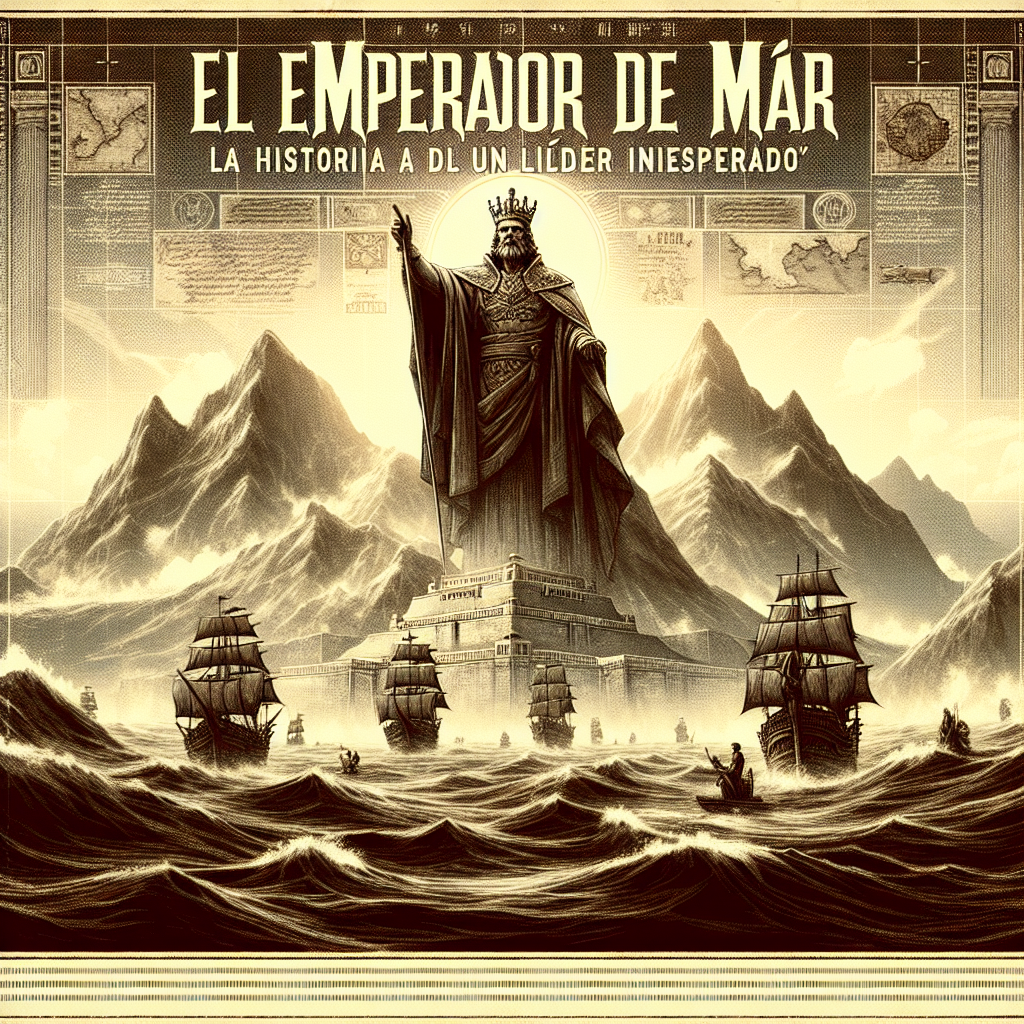

Imagine a life on the high seas, under the command of one of the most fearless maritime leaders history has ever known. "Emperor of the Sea" places us on board the ship of the infamous pirate Jang Bogo, also known as Zhang Bao Gao, giving us a glimpse into his audacious reign from 828 to 846 AD in the Yellow Sea. This Korean blockbuster drama took the world by storm, depicting Jang Bogo's journey from a humble slave to a revered naval commander and his need to fight against corruption, class disparity, and power-hungry aristocrats.
Set against the tumultuous backdrop of the Unified Silla period in Korea's history, "Emperor of the Sea" doesn't just offer swashbuckling tales but is rich with historical grit. Jang Bogo, played by the enigmatic Choi Soo-jong, uses his strategic cunning to forge alliances with foreign leaders, merchants, and even other pirates. His story isn't just about battle prowess or sheer willpower but also focuses on diplomacy and the art of negotiation. This narrative challenges us to rethink our understanding of piracy and maritime power.
The portrayal of Jang Bogo’s evolution from a slave to a diplomat disrupts the traditional narrative of empire. It forces one to reconcile the image of a pirate with the notion of justice. We see his dedication to his crew, his home, and, ultimately, his earnest approach to changing the systematic inequality that spans throughout the kingdom. In many ways, Jang Bogo was a rebel with a cause, one who envisioned a society where trade routes were free from exploitation.
For audiences outside Korea, "Emperor of the Sea" offered a fresh perspective on an often-overlooked chapter of Asian seafaring history, showcasing the vibrancy and complexity of Silla Korea. Historically, this period was often dominated by Chinese and Japanese narratives, so Jang Bogo's story fills important gaps in understanding key maritime routes.
The TV drama uses gripping storytelling to make viewers question what they know about power and its sources. While it’s easy to dismiss a pirate as just a rogue, the story places significant emphasis on the fight against systemic forces and how that affect societal structures. It’s a tale about the small man taking on the big system—a theme that resonates strongly in any age.
In bringing to light these old tales, "Emperor of the Sea" also touches on very contemporary discussions. Bridging past with present, it classifies how economics can drive conflict and unity in equal measures. Audiences see trade as a connective tissue between cultures rather than simply a commodity exchange. When do you upgrade a trade route to a path of diplomacy and when does it lead to war? These questions, poignant then and persisting now, draw us into the story relatable to today’s interconnected global society.
Communicating themes of liberation and resistance, the drama doesn't shy away from the grim realities of political maneuvers and military strategies. Characters are complex with multi-dimensional arcs. Despite operating in a historically patriarchal structure, women’s roles are significant, adding layers of intrigue and realism. The depictions are more than capable of igniting thoughtful discussions about gender roles and the progress—or lack thereof—woven into the narrative fabric of history.
Nothing in "Emperor of the Sea" is black and white. Dissonances simmer between loyalty and betrayal, ideals and practicality, with every episode challenging notions of what leadership should be. Jang Bogo's ambition isn't simply to rise through ranks but to purposefully challenge and change the system that bound him. This ethos resonates deeply with a generation witnessing transformations of power on many fronts.
For those who often feel disenfranchised or underrepresented in mainstream narratives, the show brings forth a universal story of aspiration against adversity, reminding us that history has been built as much by rebels as by rulers. Alongside the intense drama and history, the series beautifully captures maritime life—its perils, mysteries, and raw allure—portrayed through high-seas adventures and bustling port life teeming with traders from afar.
Though blurring the lines between history and creative interpretation, "Emperor of the Sea" succeeds in reigniting interest in periods less referenced in popular media. This isn’t just entertainment for history enthusiasts; it’s for anyone who delights in the tales of relentless quests for equality and justice. Whether it’s the thrill of the tides or the high-stakes political chess play, audiences are invited not just to watch but to sail alongside.
The series invites heated debates on whether Jang Bogo's methods were justified or idealistic, sparking dialogues on what true leadership encapsulates. It suggests that significant change often requires questioning and confronting established orders, even at great personal risk. The philosophy of challenging status quos is eternally relevant, reminding Gen Z that change makers are often found outside the established power corridors.