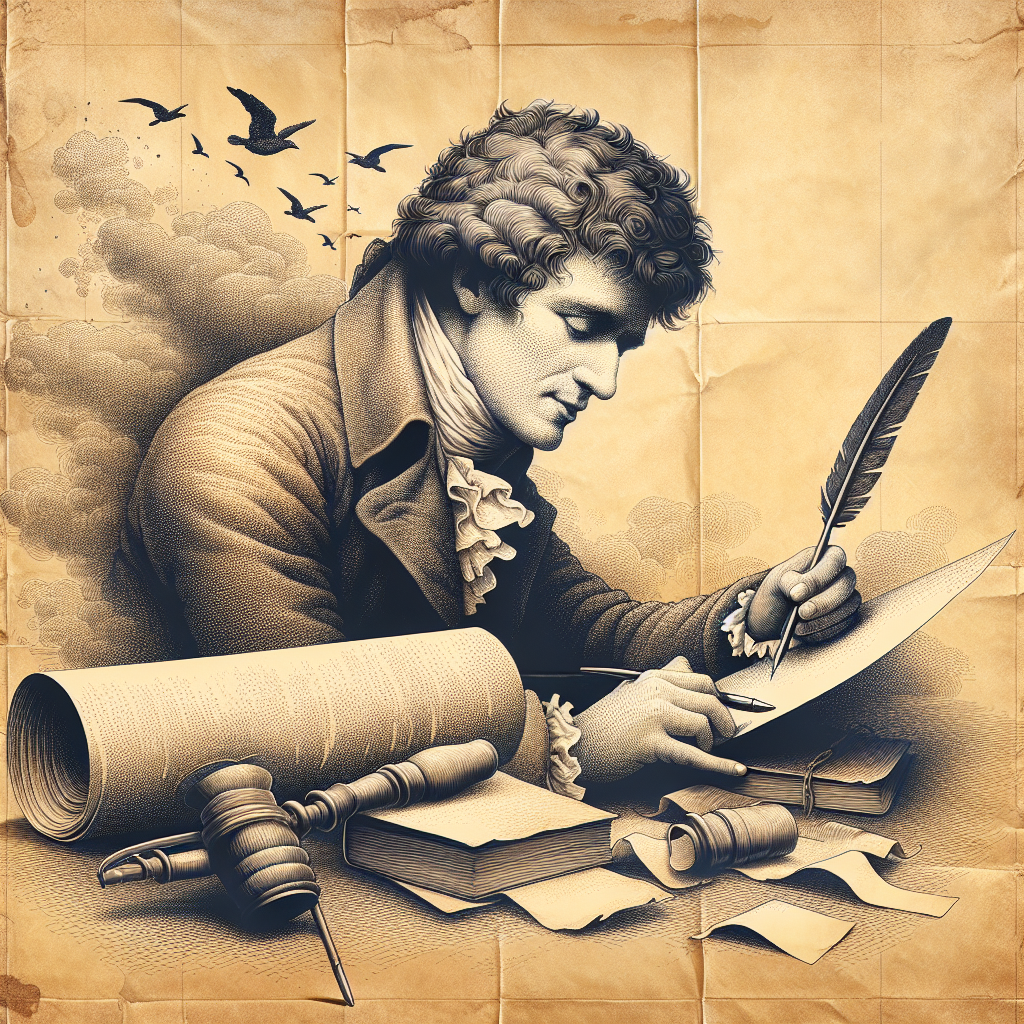

You might not have heard of Émile Debraux before, but his story is one for the ages. He was a French songwriter and political activist, whose melodies echoed the cries for change in 19th-century France. Communicating through lyrics in the vibrant streets of Paris, this innovative figure lived from 1796 to 1831, a period buzzing with political unrest as France grappled with its identity post-revolution.
Debraux's passion was songwriting, but his words were political literature sharply pointed at the societal issues of his time. His artistry was inseparable from his politics. Born into a tumultuous era, Debraux navigated a world where creative expression often tangled with political rebellion. Songs were more than entertainment; they were rallying cries, encapsulating the hopes and frustrations of many. His work captured the spirit of resistance, confronting injustices in a society straining under the weight of its histories and aspirations.
In one of his most notable pieces, 'Les Trois couleurs', Debraux painted vivid imagery through song, sending waves through the hearts of radicals and reformers alike. It’s important to recognize how song and activism were deeply intertwined. For Debraux, the battlefield was a lyrical one. His work dared to speak where others may have felt silenced, resonating through resistance communities and, sometimes, drawing the ire of those in power.
Despite the revolutionary fervor of his lyrics, Debraux's artistic life was met with challenges. The government of the time didn't just view such outspoken creativity benignly; they often saw it as a threat. Yet Debraux continued. His commitment to using his talents for a cause bigger than himself shines as an example of artistic bravery. The path wasn’t easy, and his defiance sometimes led to personal sacrifice. In this light, his story becomes not just one of a songwriter from the past, but a model of standing up for one’s beliefs through art.
Debraux’s songs spread beyond Paris, enthralling audiences all around. His influence wasn’t limited to his time; his songs have endured, inspiring generations. Reflecting on his legacy, one can see how the arts become a conduit for social change. Was he always agreed with? Of course not, and therein lies the beauty of expression. It showcases a dialogue, albeit conflicted on occasion, that fuels societal evolution.
Yet, we can’t ignore the broader picture. While Debraux stood at the heart of progressive thought, taking aim at societal norms, there were plenty who critiqued his methods. To them, his approach was too radical, perhaps dangerous in its rhetoric. Still, debates born from his work helped shape modern perspectives, showing how even divisive art has value in the tapestry of societal evolution. It’s a reminder that challenging discourse can drive urgent conversations that aren’t immediately comfortable but are necessary.
Émile Debraux used melody as his vehicle of resistance, a powerful reminder of the potential within each creative act. His life, though perhaps shadowed by the edges of history now, carries implications still impactful today. Music, art, and activism remain interconnected. In Debraux’s world, they acted as one—a symbol of resilient human spirit striving for liberty and justice. In honoring such figures, we remember the importance of courage, creativity, and conviction.
To explore Debraux's world is to step into a dialogue that persists about the impact of culture in politics. It asks contemporary society to consider: what voices are echoed when we sing today? What missions drive our melodies? These questions link his era to ours, urging us not only to listen but to also raise our voices loud enough to be heard.