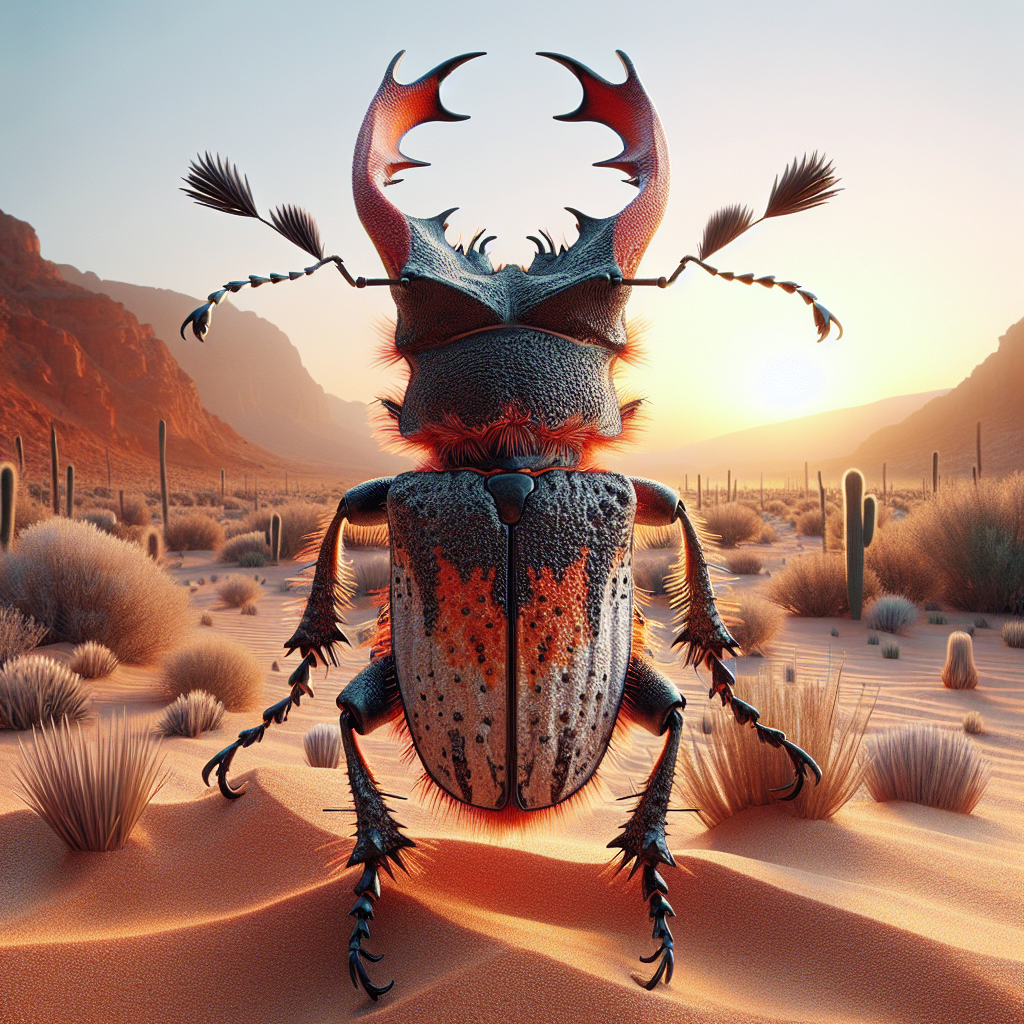

If you think beetles are just there to be creepy crawlers, think again! Eleodes blapoides, a member of the darkling beetle family, is an essential part of many ecosystems. Often overlooked due to its unassuming black exterior, this beetle has a fascinating role in keeping our planet balanced. Found primarily in the arid regions of the southwestern United States, these beetles are the unsung heroes of these dry environments. As decomposers, Eleodes blapoides assists in breaking down decaying plant matter, returning nutrients to the soil, and maintaining the ecological balance.
Despite their tiny size, Eleodes blapoides wield considerable influence in their habitats. Their presence contributes to soil health, an often underappreciated aspect of ecosystem functionality that is crucial for all terrestrial life. By consuming decaying plant material, they accelerate decomposition, acting like little recyclers. This process enriches the soil, which in turn supports plant growth. This chain reaction demonstrates how vital these beetles are in sustaining the cycles of life in their arid environments.
Some might shy away from these beetles because of their appearance. But if you get past their dark, intimidating exterior, you'll find a creature that is well-adapted to survive and thrive. Their ability to survive in dry, harsh conditions shows the incredible adaptability of life, transforming barren landscapes into livable environments.
One interesting aspect of Eleodes blapoides is their defense mechanism. When threatened, they assume a headstand position and emit an odorous chemical to deter predators. This odd yet effective strategy showcases the diverse survival techniques developed by even the smallest creatures. While this might seem unsettling, it's merely a strategy to continue their important work without becoming a meal—and you have to respect that!
Discussing these beetles inevitably leads to broader conversations about the lesser-known yet vital roles insects play. Worldwide, insects face threats from habitat destruction, pesticides, and climate change. It's crucial to recognize these challenges and discuss them openly. Ignoring or undervaluing such creatures risks damaging the intricate web of life they help support. Advocating for the preservation of beetle habitats ties directly into broader efforts like combating climate change and ensuring food security.
While some may argue that focusing on issues such as the conservation of a single beetle species is superfluous in the grander scheme of global concerns, it's critical to see the interconnectedness of these issues. Life is a series of complex systems, and each part, no matter how small, plays a role in the functionality of the entire ecosystem. So, when we protect Eleodes blapoides, we are also safeguarding the health of our soil, plants, and, ultimately, ourselves.
Encouraging dialogue around such small yet significant creatures can lead to a greater appreciation for the environment. Adopting sustainable practices, reducing reliance on harmful chemicals, and protecting natural habitats can have widespread benefits. Change starts small, just like Eleodes blapoides. But small actions can aggregate into a real difference, creating a world where both people and creatures like this little beetle can thrive together.
Addressing the decline of beetles and insects worldwide also challenges us to reflect on our relationship with nature. Should we prioritize urban development over ecological preservation? Are we willing to shift our practices to coexist with nature rather than dominate it? These questions don’t have simple answers, but they spark essential reflections on our impact and responsibility.
In a rapidly changing world, understanding the role each species plays is more important than ever. Eleodes blapoides may not be the star of flashy nature documentaries, but its presence highlights the intricacies of ecological networks and the need for a holistic approach to conservation. So, next time you see one of these beetles, remember its hidden significance and how tiny steps can make a huge impact on the world's delicate balance.