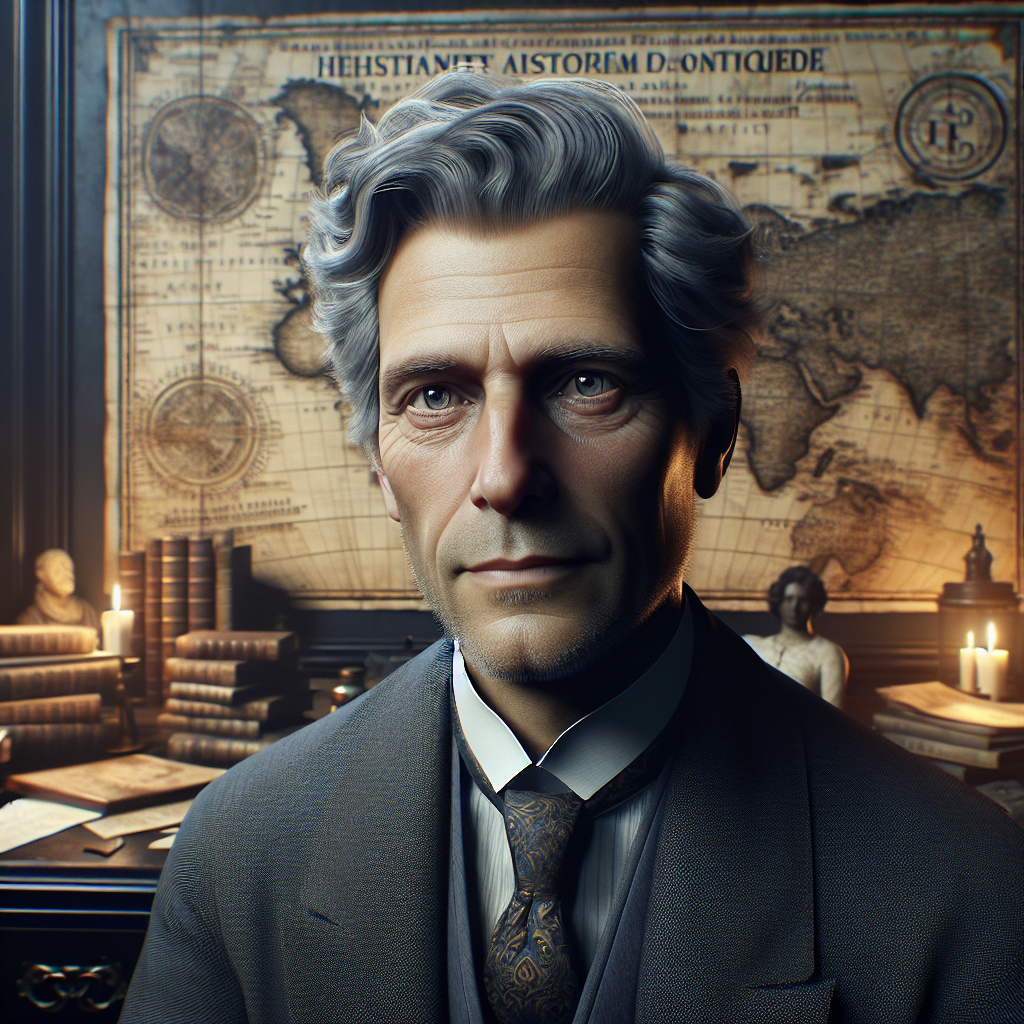

The Enigmatic Storyteller: Edvard Radzinsky
Edvard Radzinsky is a name that might not immediately ring a bell for everyone, but his work is as captivating as a blockbuster movie. Born on September 23, 1936, in Moscow, Russia, Radzinsky is a celebrated Russian playwright, historian, and television personality. He has spent decades unraveling the mysteries of Russian history, bringing to life the stories of figures like Tsar Nicholas II and Joseph Stalin. His unique approach to storytelling, blending historical facts with dramatic flair, has made him a household name in Russia and a respected figure worldwide.
Radzinsky's journey into the world of history and drama began in the Soviet Union, a time and place where the arts were both a form of expression and a tool for propaganda. He started his career as a playwright, crafting plays that were performed in theaters across the Soviet Union. His works often explored complex human emotions and societal issues, resonating with audiences who lived under the watchful eye of the state. This background in drama undoubtedly influenced his later work as a historian, where he brought a theatrical touch to the retelling of historical events.
One of Radzinsky's most notable contributions to historical literature is his series of books on Russian history. His book "The Last Tsar: The Life and Death of Nicholas II" delves into the tragic story of Russia's last emperor and his family, who were executed during the Russian Revolution. Radzinsky's meticulous research and engaging narrative style offer readers a vivid picture of the Romanovs' final days, making history accessible and intriguing. His ability to humanize historical figures and present them as relatable characters is a testament to his skill as a storyteller.
Radzinsky's work is not without controversy. Critics argue that his dramatic style sometimes blurs the line between fact and fiction, leading to debates about the accuracy of his accounts. However, his supporters contend that his approach brings history to life, making it more engaging for readers who might otherwise find it dry or inaccessible. This tension between historical accuracy and narrative flair is a common challenge for historians, and Radzinsky's work exemplifies this ongoing debate.
In addition to his books, Radzinsky has also made a significant impact through his television work. He has hosted numerous historical documentaries and series, bringing his passion for Russian history to a broader audience. His charismatic presence and ability to weave compelling narratives have made him a popular figure on Russian television, further cementing his status as a leading voice in historical storytelling.
Radzinsky's influence extends beyond Russia. His books have been translated into multiple languages, allowing readers around the world to explore the complexities of Russian history through his eyes. His work offers a unique perspective on events that have shaped not only Russia but also the global landscape. By examining the lives of historical figures, Radzinsky provides insights into the human condition, exploring themes of power, ambition, and the consequences of political upheaval.
For those who appreciate history with a touch of drama, Edvard Radzinsky's work is a treasure trove of stories waiting to be discovered. His ability to transform historical events into gripping narratives has captivated audiences for decades, making him a beloved figure in the world of historical literature. Whether you're a history buff or simply someone who enjoys a good story, Radzinsky's work offers a fascinating glimpse into the past, reminding us of the timeless nature of human stories.