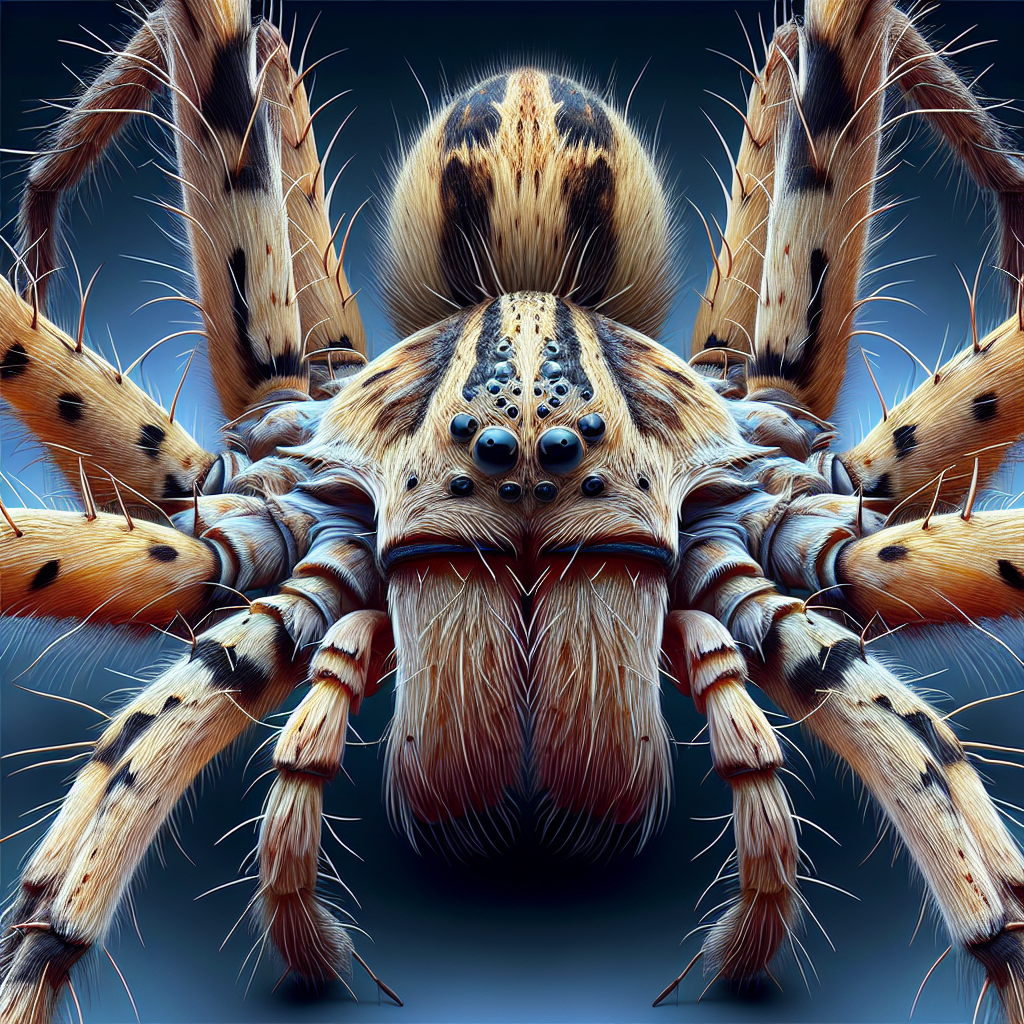

Ever imagine a spider that loves water as much as a fish does? Meet Dolomedes vittatus, a fascinating spider species that will make you rethink everything you thought you knew about arachnids. This spider, part of the Pisauridae family, is one of the most interesting critters found in North America, from the serene landscapes of Canada down to the diverse ecosystems of Central America.
These spiders are known as 'fishing spiders' because they have a unique penchant for living near water bodies. Unlike most terrestrial spiders, Dolomedes vittatus embraces wet habitats like ponds and streams. Picture this: a spider elegantly gliding over water, making hunting look like an elegant dance. This behavior truly sets them apart.
The spectacle of their arachnid life is in their unique hunting method. These spiders are skilled at catching prey by feeling vibrations on the water’s surface and using their agility to catch insects and even small fish. Their long, strong legs are their secret weapons, helping them navigate their watery world like tiny aquatic acrobats.
Yet, with all their aquatic talents, they might not have the best public relations. Spiders tend to evoke fear or disgust more often than admiration. But like many misunderstood creatures, Dolomedes vittatus poses no major threat to humans. They do pack venom, but it’s typically used to immobilize their prey, not make humans suffer. Understanding them in their environment might help us see them in a new, less fearful light.
Their lifecycle is also worth a closer look. Reproduction in Dolomedes vittatus can be particularly intense. The spiderlings emerge from egg sacs carried by the female, often creating something of a tiny spider nursery on her back. The young grow quickly, going through various molts before reaching adulthood and starting their own cycles.
These spiders have important roles in their ecosystems, keeping insect populations in check. The balance they maintain is crucial, yet they often go unnoticed or unappreciated. These little guys are part of nature's cleanup crew, making sure that the bugs don’t overrun the place.
Not everyone is sold on a world where we celebrate spiders. Some might say that treating the fear of spiders, or arachnophobia, is unnecessary because it doesn’t harm day-to-day life. But this overlooks the beauty in overcoming fears and the importance of empathy towards other forms of life. It’s also about understanding that each creature, Dolomedes vittatus included, has a part to play.
Empathy towards creatures like these spiders might require a shift in perspective. Many people have deep-seated fears, but seeing these creatures as part of a larger ecological picture might change how future generations perceive them. To Gen Z and others, promoting biodiversity includes appreciating all life forms, even the ones with eight legs.
So, next time you find yourself near a pond in Dolomedes vittatus territory, consider observing their water dance. It's an experience showcasing the wonders of wildlife that go undiscovered by many. They remind us of nature’s incredible diversity and the vital, though sometimes overlooked, creatures that share our planet.