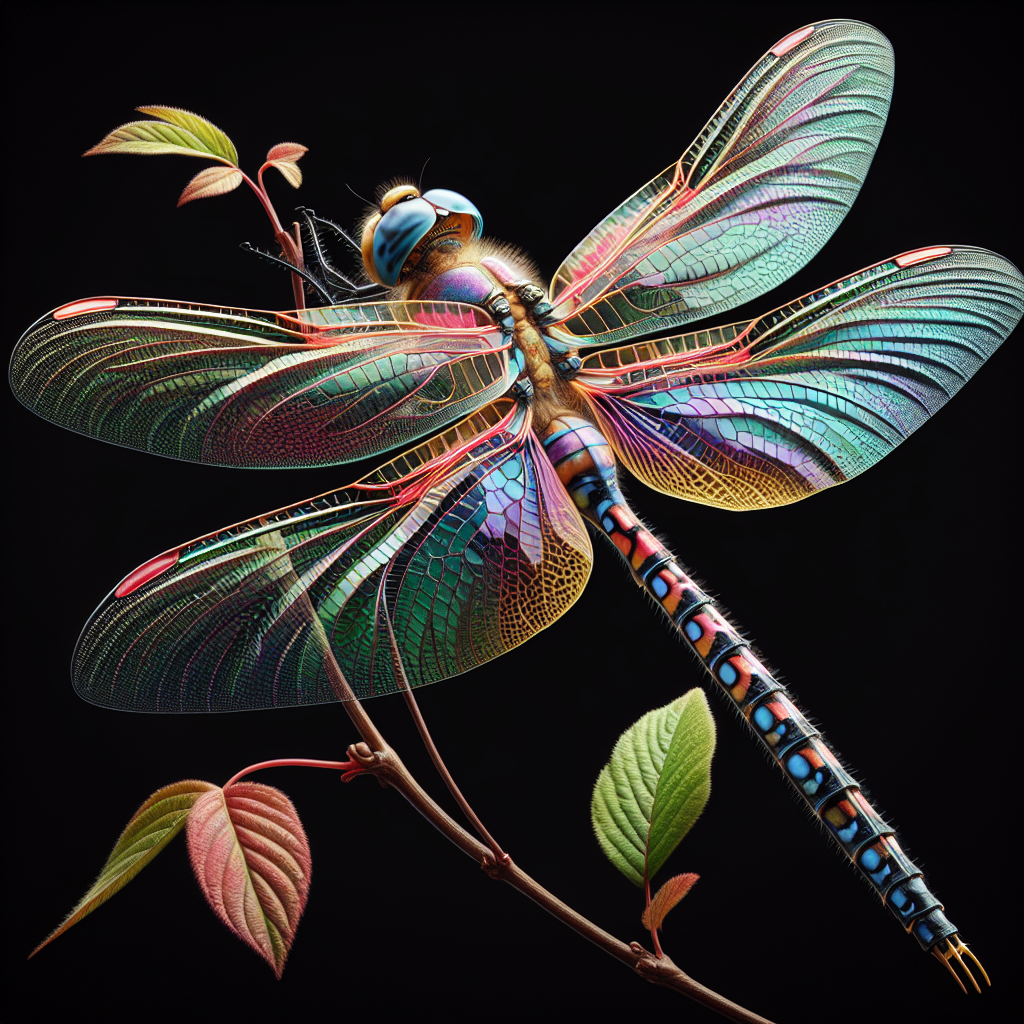

Imagine a world where your wings can reflect the colors of the sky, and you zip around like a superhero, keeping ecosystems balanced—sounds like the stuff of dreams, right? Meet the dainty damselfly, an enchanting resident of wetlands, ponds, and rivers whose presence signals a thriving, healthy habitat. This little creature, often overshadowed by its more famous cousin, the dragonfly, has quietly been gracing our planet for over 300 million years, quietly doing its part to maintain the delicate balance of nature. Dainty damselflies, with their slender bodies and vibrant colors, continue to captivate those who pay close attention to the world around them.
Spotting a dainty damselfly can be a magical experience. These tiny creatures boast a kaleidoscope of hues, ranging from electric blues to vibrant greens, and even fiery reds. But what truly sets the damselfly apart is how its presence can speak volumes about the state of the environment. When you find these winged wonders flitting about, it’s a sign that the ecosystem is doing well. This is because these insects are highly sensitive to pollution and any disturbance to the water quality can affect their populations. The presence of damselflies is often a reassuring nod from Mother Nature herself that things are as they should be.
The wonder of the damselfly doesn’t stop at its impact on ecosystems; it's also a fascinating creature with an incredible life cycle. Damselflies start life in the water as nymphs. For about a year, these nymphs live underwater, silently hunting down other small aquatic creatures. This aquatic phase is crucial as the nymphs contribute to controlling the population of various small insects, such as mosquitoes. Once ready, they undergo a splendid transformation, escaping their nymph stage by emerging from the water, breaking free from their old skin, and taking to the air as fully-fledged adults. This transformation is not just about survival; it’s about continuity, as they then spend the remainder of their short adult life spanning mere weeks, focusing on mating and laying eggs to start the next generation.
However, while these beings should be the talk of the town for their environmental benefits, humanity’s growing footprint threatens their existence. Urbanization, pollution, and climate change cast dark shadows over their habitats. When wetlands are filled in for development, or when rivers are polluted, these delicate creatures struggle to survive. Their dwindling numbers are a warning sign that the ecosystems we rely on are under stress. So, as much as these insects are indicators of environmental health, they are also reminders of the fragility of natural habitats.
Talking about conservation often stirs up mixed feelings. Discussions hover around a tension between development and preserving nature. While some argue that progress and urban expansion are inevitable, it is crucial to reflect on the broader implications our actions have on creatures like the damselfly. Saving wetlands and reducing pollution might seem like gigantic tasks, but every little action counts. Advocacy for effective policy changes, supporting eco-friendly initiatives, and raising awareness are steps we can take to coexist harmoniously with the natural world.
Despite being champions of conservation, it is often young people who find themselves in a precarious spot trying to thrash out how to protect what remains while balancing their own lives and experiences. Gen Z, in particular, faces the pressing challenge of inheriting a planet reeling from climate changes others have set in motion. Yet, there is remarkable hope in youth-driven movements advocating for change, pushing for sustainability, and demanding action to protect fragile species like the dainty damselfly.
There’s also a beauty in the opposition to this environmental movement where industries argue for job creation and economic growth, citing that sacrifices have to be made for societies to thrive. While everyone might not agree on methods or priorities, these conversations are crucial in shaping a future that respects both environmental needs and human progress. Perhaps resolving this syndrome of ideology lies in community participation and a global perspective that emphasizes shared responsibility.
The lesson from the humble damselfly is not just a tale of biodiversity or conservation. It is a symbol of coexistence and a future where nature and humanity can thrive together. This quest is not just about protecting a small insect, but about cherishing the indescribable beauty of our planet. That beauty is illuminated by creatures as small and exquisite as the dainty damselfly, whose silent testimony should inspire us all to fiercely protect the vulnerable vestiges of nature that remain.
Ultimately, advocating for the dainty damselfly is advocating for the richness of life on Earth. For every flicker of these wings, lies a story of survival, a lesson in the interconnectivity of life. As we think about these magnificent creatures, the call to action becomes clear: it’s imperative to act thoughtfully, responsibly, and compassionately towards the world around us.