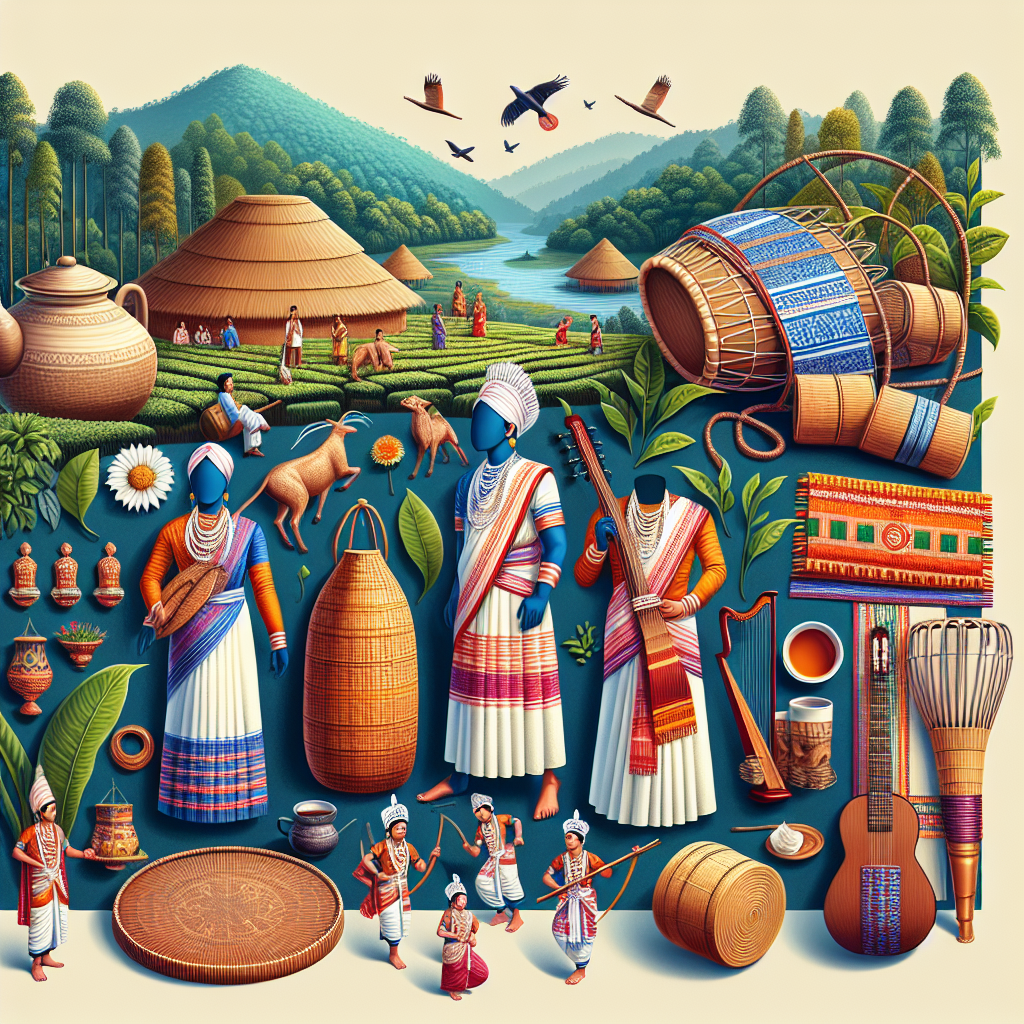

The Vibrant Tapestry of Assam's Culture
Imagine a place where the air is filled with the sweet aroma of tea leaves, the sound of traditional music echoes through the hills, and the vibrant colors of festivals light up the skies. Welcome to Assam, a northeastern state of India, where culture is as diverse and rich as its natural beauty. Assam's culture is a fascinating blend of indigenous traditions, historical influences, and modern adaptations, making it a unique tapestry of human expression. This cultural richness is celebrated through various festivals, art forms, and culinary delights that have been shaped over centuries by the people who call Assam home.
Assam is known for its Bihu festival, which marks the Assamese New Year and is celebrated with much enthusiasm and joy. Bihu is not just a festival; it's a reflection of the Assamese way of life, deeply rooted in agriculture and nature. The festival is celebrated three times a year, corresponding with the farming calendar: Rongali or Bohag Bihu in April, Kongali or Kati Bihu in October, and Bhogali or Magh Bihu in January. Each Bihu has its own significance and rituals, but all are marked by traditional music, dance, and feasting.
The people of Assam are predominantly Assamese, but the state is also home to a variety of ethnic groups, including Bodos, Misings, Karbis, and many others. This diversity is reflected in the state's languages, with Assamese being the official language, but many other languages and dialects are spoken. This linguistic diversity adds to the cultural richness of the region, as each group brings its own traditions, stories, and art forms.
Assam is also famous for its traditional crafts, such as weaving and pottery. The state is known for its exquisite silk, particularly Muga silk, which is unique to Assam and is often referred to as the "golden silk" due to its natural golden hue. Weaving is an integral part of Assamese culture, with many households having their own looms. The intricate designs and patterns of Assamese textiles are a testament to the skill and creativity of the weavers.
The cuisine of Assam is another important aspect of its culture. Assamese food is characterized by its simplicity and use of fresh, local ingredients. Rice is a staple, often accompanied by fish, meat, and a variety of vegetables. The use of bamboo shoots, mustard oil, and local herbs gives Assamese cuisine its distinct flavor. Traditional dishes like "pitha" (rice cakes) and "laru" (sweet balls) are popular during festivals and celebrations.
While Assam's culture is rich and diverse, it is not without its challenges. The state has faced issues related to ethnic tensions and political unrest, which have sometimes overshadowed its cultural heritage. However, efforts are being made to preserve and promote Assam's culture, both within the state and beyond. Cultural festivals, exhibitions, and tourism initiatives are helping to showcase Assam's unique heritage to the world.
Assam's culture is a vibrant and dynamic tapestry that continues to evolve while staying true to its roots. It is a testament to the resilience and creativity of its people, who have managed to preserve their traditions while embracing change. As the world becomes more interconnected, the culture of Assam offers a glimpse into a way of life that is both timeless and ever-changing.