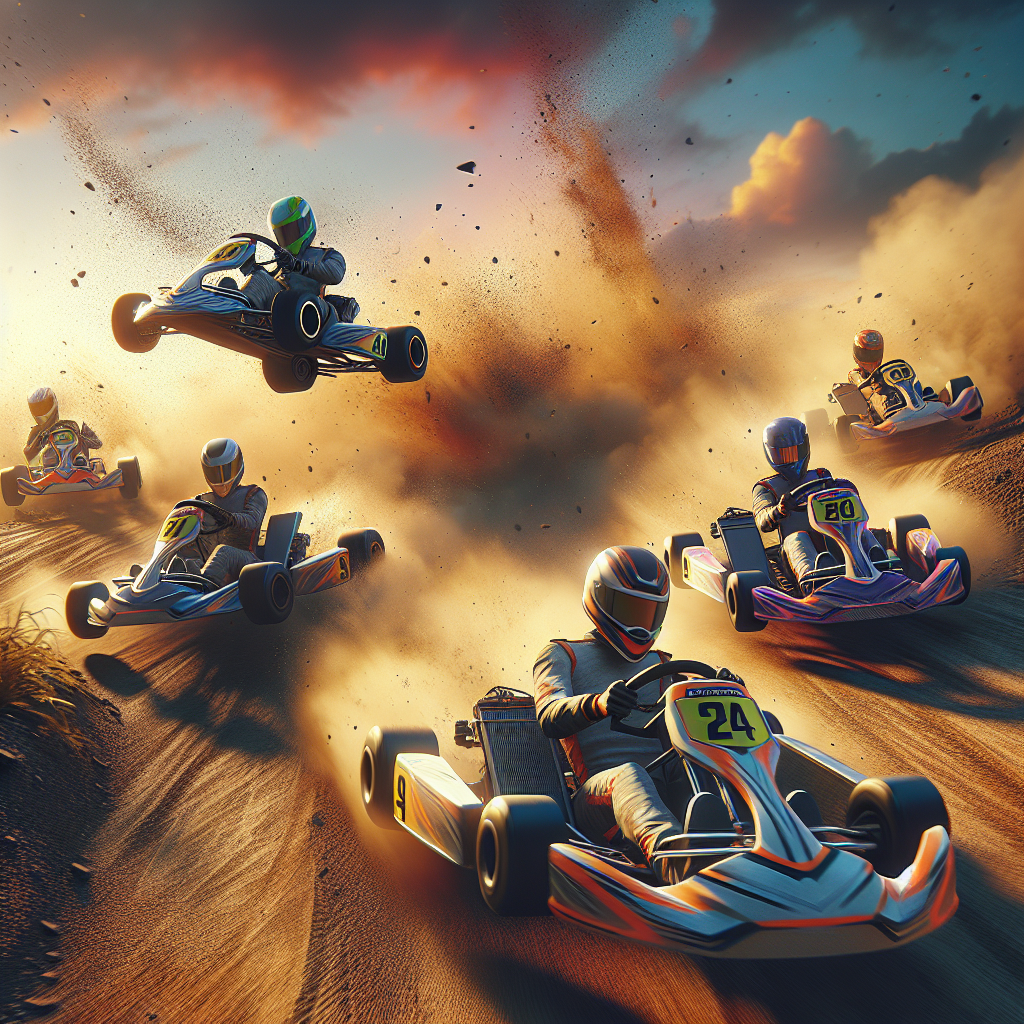

Crosskart: The Thrill of Off-Road Racing
Imagine a sport where the adrenaline rush of go-karting meets the rugged terrain of off-road racing. That's Crosskart, a thrilling motorsport that has been gaining popularity across Europe and beyond. Originating in the Nordic countries in the 1980s, Crosskart involves small, lightweight vehicles racing on dirt tracks, offering a unique blend of speed and skill. These races typically take place in rural areas, where the natural landscape provides the perfect backdrop for the high-octane action. The sport has been embraced by motorsport enthusiasts for its accessibility and the sheer excitement it brings to both participants and spectators.
Crosskart vehicles are designed to be simple yet robust, making them an ideal entry point for those new to motorsports. They are equipped with motorcycle engines, which provide plenty of power for their lightweight frames. This simplicity not only makes them affordable but also easy to maintain, which is a significant draw for young racers and hobbyists. The sport is particularly popular among younger drivers, as it offers a stepping stone into more advanced forms of racing. The thrill of navigating challenging tracks at high speeds is a major attraction, and the community around Crosskart is known for being welcoming and supportive.
While Crosskart is still relatively niche compared to mainstream motorsports like Formula 1 or NASCAR, it has a dedicated following. Fans appreciate the sport's grassroots nature and the fact that it remains largely uncommercialized. This allows for a more authentic racing experience, where the focus is on skill and competition rather than sponsorships and media coverage. However, as the sport grows, there are discussions about how to maintain this authenticity while expanding its reach. Some argue that increased visibility could bring in more resources and opportunities for racers, while others fear it might dilute the sport's unique charm.
Critics of Crosskart often point to safety concerns, as the sport involves high speeds and challenging terrains. However, proponents argue that with proper safety measures and regulations, these risks can be managed effectively. Helmets, roll cages, and other protective gear are mandatory, and races are overseen by experienced officials. The sport's governing bodies are continually working to improve safety standards, ensuring that participants can enjoy the thrill of racing without undue risk. This ongoing commitment to safety is crucial in addressing concerns and making the sport more accessible to newcomers.
Crosskart also offers an interesting perspective on environmental impact. Unlike larger motorsports, which often require significant infrastructure and resources, Crosskart races can be held on existing dirt tracks with minimal modification. This makes it a more sustainable option, as it reduces the need for extensive construction and maintenance. Additionally, the vehicles themselves are relatively fuel-efficient, which is an important consideration in today's environmentally conscious world. As the sport evolves, there is potential for further innovations in eco-friendly racing technology, which could set a positive example for other motorsports.
The future of Crosskart looks promising, with growing interest from both participants and fans. As more people discover the excitement and accessibility of the sport, it is likely to continue expanding beyond its Nordic roots. This growth presents an opportunity to introduce new audiences to the joys of motorsport, while also fostering a sense of community and camaraderie among racers. By balancing tradition with innovation, Crosskart can maintain its unique appeal while adapting to the changing landscape of motorsports. Whether you're a seasoned racer or a curious newcomer, Crosskart offers a thrilling ride that is sure to leave a lasting impression.