
The Buzz About Criorhina pachymera: Nature's Master of Disguise
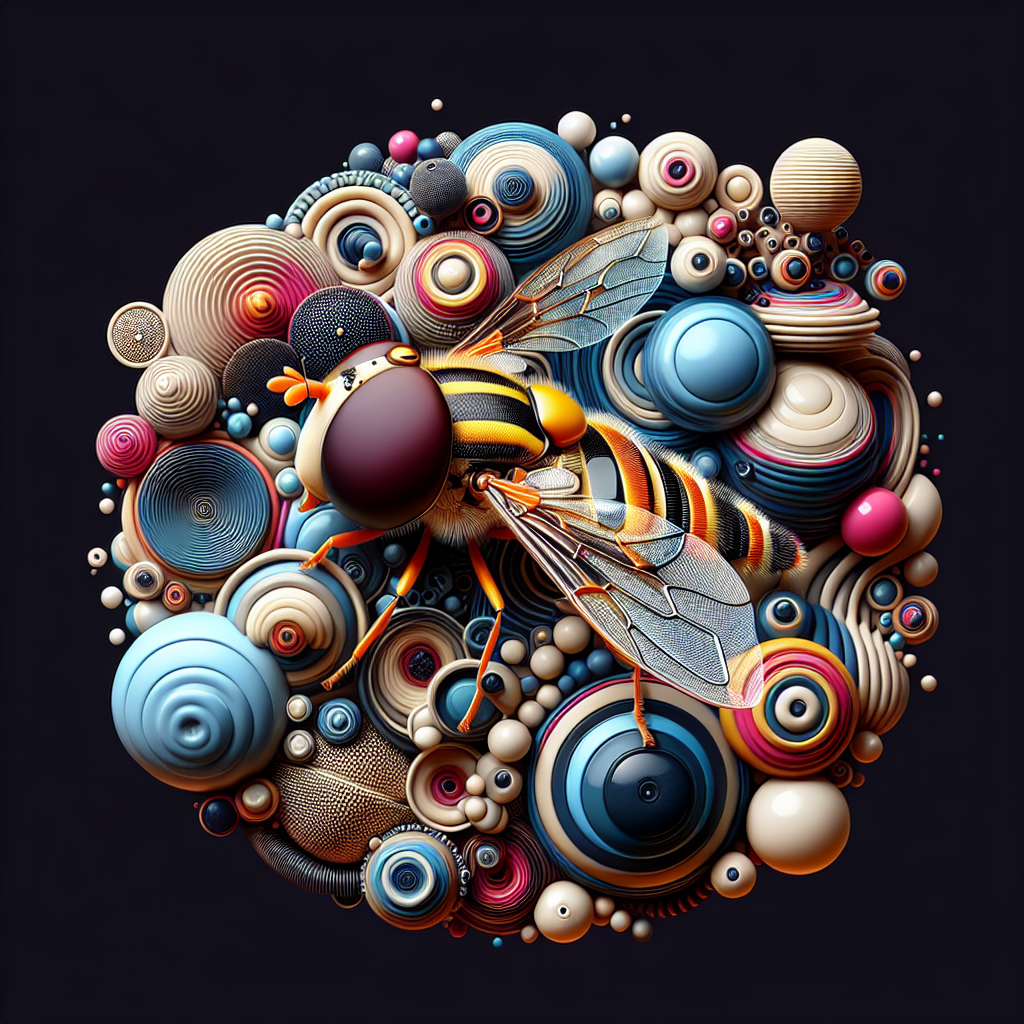
Imagine a creature that can fool even the most observant among us, a master of disguise that thrives in the shadows of the forest. Meet Criorhina pachymera, a fascinating species of hoverfly that has perfected the art of mimicry. This insect, found primarily in Europe and parts of Asia, is known for its remarkable ability to imitate bumblebees, a trait that helps it avoid predators and thrive in its natural habitat. The Criorhina pachymera is most active during the warmer months, typically from late spring to early autumn, when it can be seen flitting around flowers in search of nectar.
The Criorhina pachymera's mimicry is not just a party trick; it's a survival strategy. By resembling bumblebees, these hoverflies can deter predators who might otherwise see them as an easy meal. Predators like birds and other insects often avoid bumblebees due to their painful stings, and the Criorhina pachymera takes full advantage of this aversion. This evolutionary adaptation is a brilliant example of how species can develop traits that enhance their chances of survival in the wild.
While the Criorhina pachymera's mimicry is impressive, it's important to note that these hoverflies are harmless to humans. Unlike bumblebees, they do not possess stingers and pose no threat. This makes them an interesting subject for entomologists and nature enthusiasts who are keen to observe their behavior and role in the ecosystem. Hoverflies, including the Criorhina pachymera, are important pollinators, contributing to the health of various plant species and, by extension, the broader environment.
From an ecological perspective, the presence of Criorhina pachymera in an area can be an indicator of a healthy ecosystem. Their reliance on flowers for nectar means they are often found in biodiverse environments where plant life is abundant. This relationship between hoverflies and their habitats underscores the importance of preserving natural spaces and promoting biodiversity. As pollinators, they play a crucial role in the reproduction of flowering plants, which in turn supports a wide range of other species.
However, not everyone is thrilled about the presence of hoverflies like Criorhina pachymera. Some people, particularly those with a fear of insects, might find their resemblance to bumblebees unsettling. This fear, while understandable, is often based on misconceptions about the nature of these insects. Education and awareness can help alleviate these concerns by highlighting the ecological benefits that hoverflies provide and clarifying that they are not a threat to humans.
In the broader context of environmental conservation, the story of Criorhina pachymera serves as a reminder of the intricate connections within ecosystems. Each species, no matter how small, plays a role in maintaining the balance of nature. Protecting these species and their habitats is essential for the health of our planet. As we face challenges like climate change and habitat destruction, understanding and appreciating the role of creatures like the Criorhina pachymera becomes increasingly important.
The Criorhina pachymera is more than just a clever mimic; it is a vital part of the natural world. Its ability to adapt and thrive through mimicry is a testament to the wonders of evolution and the complexity of life on Earth. By learning about and protecting such species, we can ensure that future generations will continue to marvel at the diversity and ingenuity of nature.