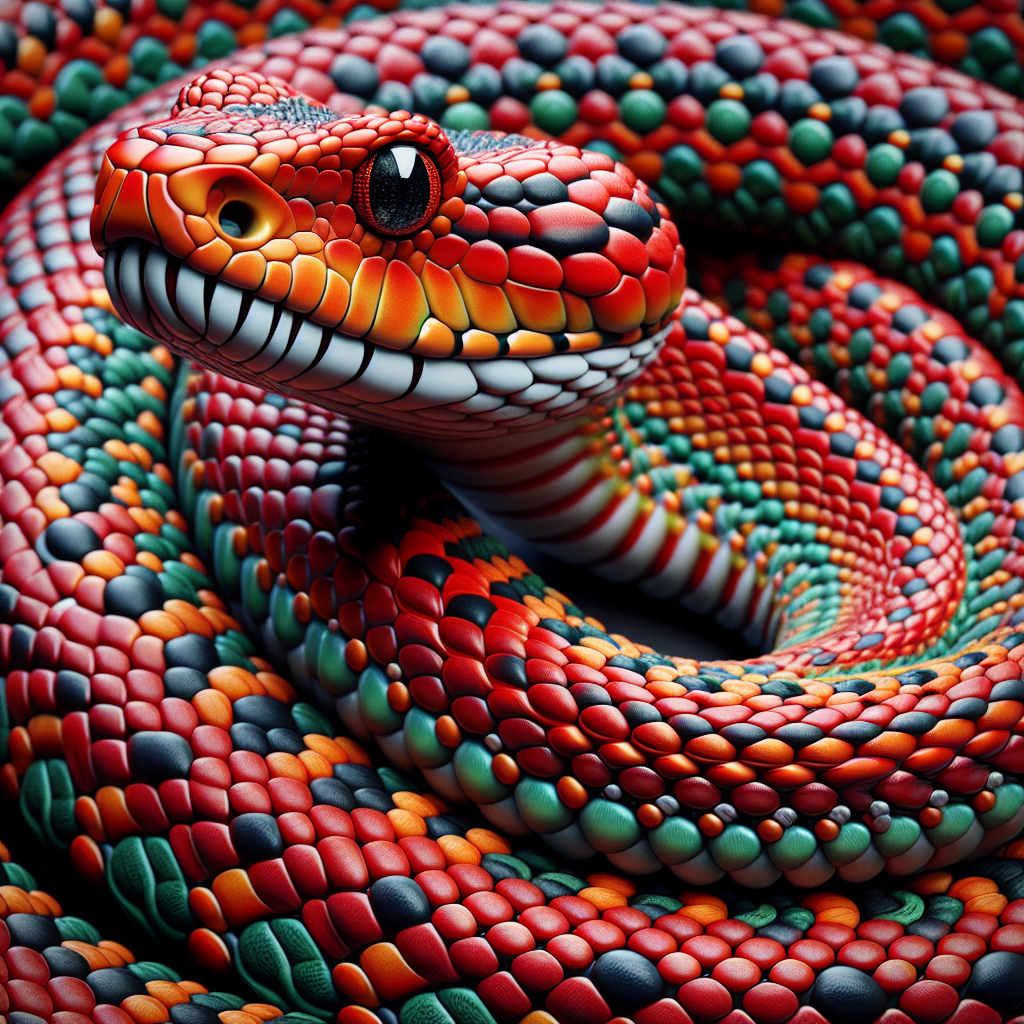

A creature that looks like it stumbled out of an avant-garde fashion show, the coral snake, with its vivid patterns and mysterious disposition, presents more than just a pretty face. But who exactly are these vibrant snakes? Generally found in the Americas, particularly teeming across the southeastern United States and extending down to parts of Central and South America, coral snakes are part of the Elapidae family. Famous for their striking red, yellow, and black bands, these snakes have garnered both admiration and fear due to their potent venom.
Many of us have heard the catchy rhyme "red touch yellow, kill a fellow; red touch black, friend of Jack" as a guideline to distinguish between the venomous coral snakes and their harmless look-alikes, like the king snake. However, this rhyme doesn’t always work as intended especially outside the U.S. Still, the intrigue around coral snakes cannot be summed up by their appearance alone. They epitomize nature's vibrant artistry, but their role in the ecosystem is equally captivating.
Predominantly living in wooded areas, coral snakes are rather reclusive and prefer to spend most of their time hidden under leaves and logs. Their secretive behavior, combined with nocturnal tendencies, means they’re rarely seen by people. While that might be comforting to some, it ignites curiosity in others about what drives these snakes to lead such a hidden lifestyle. Coral snakes rely on their potent venom, a cocktail of neurotoxins, to immobilize prey. It's important to note they are unlikely to bite unless they are provoked or mishandled.
Discussions about venomous snakes often focus predominantly on fear, mostly because of stories sensationalizing encounters with venomous species. The truth is, coral snakes are shy and steer clear of human interaction whenever possible. Their venom is a tool for survival rather than an offensive weapon targeted at humans. In fact, coral snakes bite infrequently, and when they do, it's not always easy to inject venom due to their short fangs and specialized biting mechanism.
Understanding these snakes requires us to sift through the layers of preconceptions and myths. Coral snakes contribute significantly to their ecosystems by controlling populations of smaller animals like rodents and other snakes. Their presence hints at a balanced and healthy environment. Additionally, while human encounters can be risky, respecting their space and recognizing their importance can foster a more harmonious coexistence.
Nature conservationists emphasize the need for protecting our delicate ecosystems, coral snakes included. Habitat destruction and environmental changes pose existential threats to these enigmatic creatures. The political debate is not absent here, with some arguing against strict conservation policies that they believe could impede development or local economic growth. However, a more humane approach encourages protecting these ecosystems while finding sustainable ways to balance human needs.
In the discourse about coral snakes, recognizing the fine line between admiration and fear, reality and myth, is crucial. Just like many other creatures that share this planet with us, coral snakes demand understanding and respect. They are more than their venom, more than their colors. They are part of an intricate web of life that maintains biodiversity and ecological health.
There is a hope that greater understanding and awareness will lead to better conservation efforts for these sometimes misunderstood reptiles. As influencers, educators, and advocates, it falls to us to champion coexistence with creatures that we've yet to fully appreciate, but whose survival is tightly enmeshed with our own.
The conversation about coral snakes is as complex as the species itself. It's easy to let fear dominate the narrative, but informed discussions do more to dismantle myths than perpetuate them. For Gen Z, a generation increasingly defined by its environmental consciousness and skepticism of traditional narratives, coral snakes are just one example of why questioning and learning are paramount.