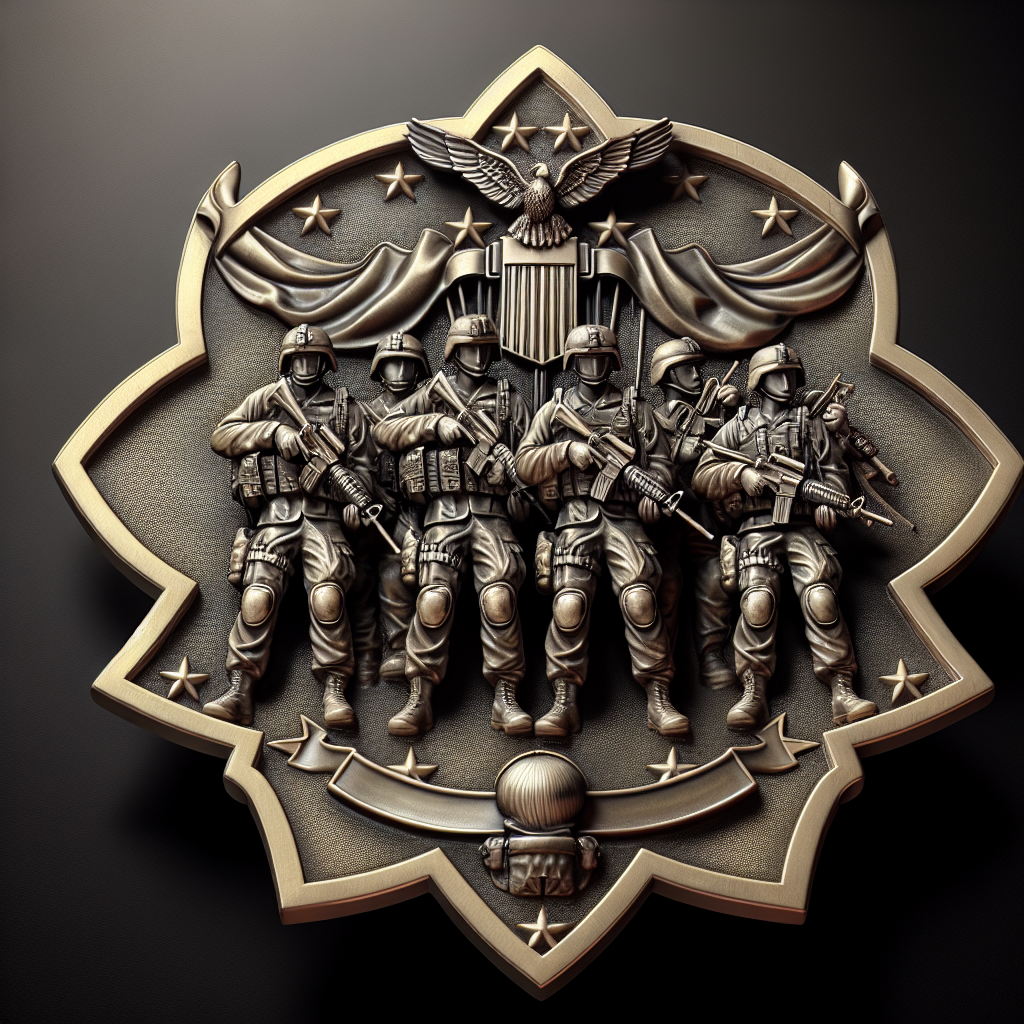

For all the run-of-the-mill achievements people boast about, few can hold a candle to the Combat Infantryman Badge (CIB). First issued in the midst of World War II in 1943, this emblem is more than just a pin to adorn a uniform. It's an acknowledgment of valor, sacrifice, and grit, given exclusively to infantry soldiers who marched into the fray of direct ground combat. A symbol of perseverance and courage, the CIB has its roots nestled deeply within the U.S. Army’s history.
The badge is not just a shiny piece of metal pinned on; it's a badge of honor earned through sweat, bravery, and sheer willpower. It recognizes those who've faced the unfathomable horrors of war head-on. Eligible recipients are those who bravely navigate the chaos and uncertainty of combat zones, often putting themselves in the line of fire. The origin of the badge lies in the need to commend the infantry soldiers who, during WWII, bore the brunt of the war efforts on their able shoulders.
The design of the CIB is quite striking yet simple. It features an infantry musket on a rectangular blue background, surrounded by a silver wreath. Each element is steeped in symbolism, with the musket representing the infantry itself, while the blue background or 'infantry blue' color harkens back to the lineage of the U.S. infantry. Meanwhile, the silver wreath is a nod to the heroism and gallantry of those on the front lines.
Created during a time of cynical combat fatigues and grim realities, the CIB speaks to the courage and sacrifice of its bearers. Musings over the meaning behind it often stir dynamic discussions. Advocates assert its importance in recognizing those at the very tip of the spear during military operations. Others may critique it as a symbol that romanticizes warfare. Yet, regardless of the perspective, it undeniably serves as a historical testament to the bravery of those who've received it.
The badge isn't just a U.S.-based phenomenon. In fact, the foundational ideas behind the CIB have inspired other nations to establish similar recognitions for their infantry. Countries such as the UK and Canada have instituted their motifs reflecting and honoring those within their military ranks who face combat.
The conversation around military symbols and badges like the CIB is complex within liberal circles. While one side lauds it for boosting morale and serving as a beacon of inspiration, others feel it's another piece in the complicated puzzle of glorifying war. Many young people today are increasingly reflective on military image symbols. With the increasing globalization of media, the nuances of military life, the implications of conflict, and the individuals involved are more visible than ever before. It stirs questions about the values we uphold and the ones we wish to challenge.
The tension between respect for the military and skepticism toward war is palpable among Gen Z, many of whom are forward-thinking and deeply empathetic. Engaging with these topics means looking beyond the medals and badges to consider the lives behind them—the individuals whose narratives are shaped but not defined by the awards they earn.
Nonetheless, a badge like the CIB continues to draw the line between normalcy and extraordinary commitment. It's about courage under fire, literally and metaphorically. It represents a chapter in the life of those who've received it, which speaks volumes about their willpower and tenacity. So, when seen through the eyes of recipients, it’s far more than an artifact of military culture; it is the embodiment of personal and collective narratives of service.
Discussing these narratives is vital, as they reflect broader social and historical contexts. Every time a CIB is pinned onto a soldier, it fuels discussions about national identity, service, and sacrifice. It's an emblem that ties together history with future military generations. And as society evolves, so too does the conversation about how courage and dedication in the armed forces are recognized and understood.
In exploring the CIB, one must appreciate the personal stories and harsh realities faced by its possessors. Their tales are not just wartime portraits but individual stories within the bigger picture of human endurance. It’s in these stories that one comprehends the true weight of the badge, which is more than an accolade—it’s a piece of history marked by human resilience.