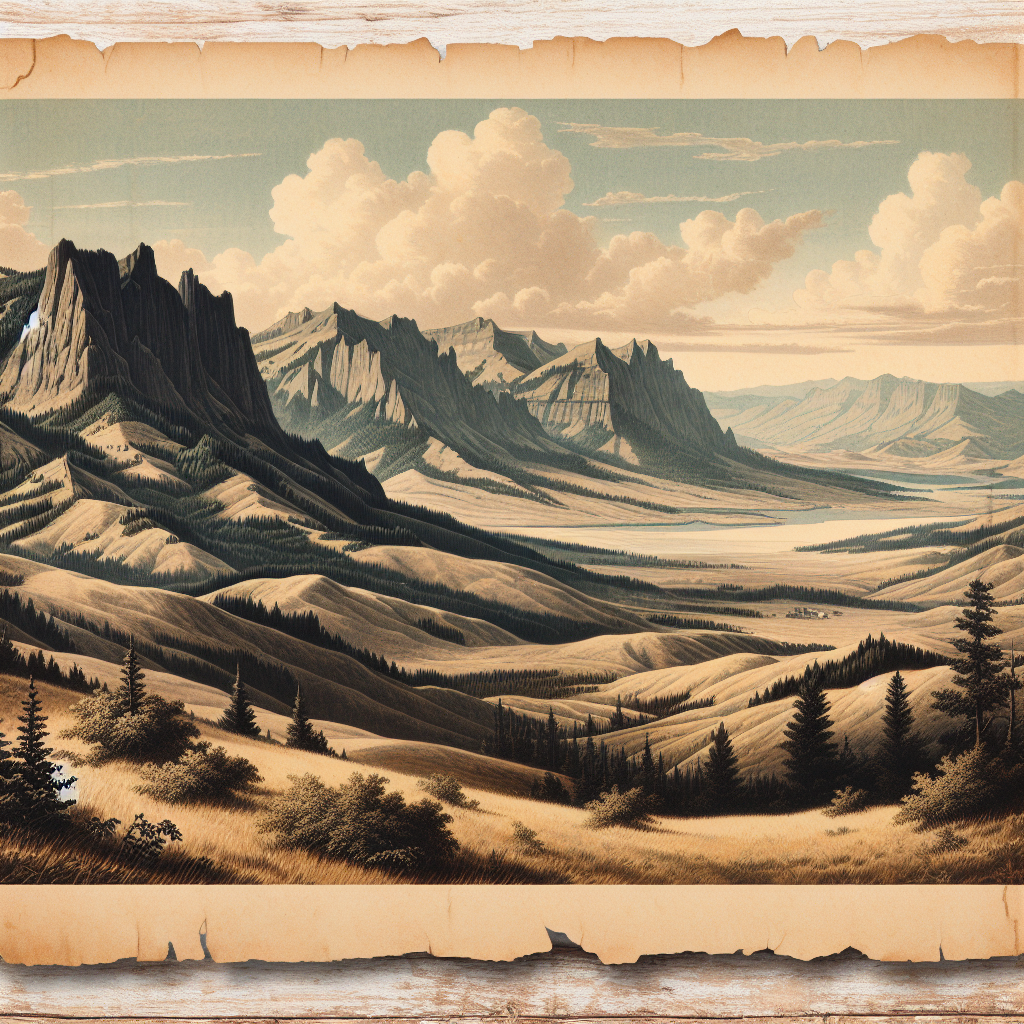

Who would have thought that a region shaped by fiery volcanic activity millions of years ago would today serve as a critical crossroad for biodiversity and ecological importance? The Columbia Plateau, sprawled across parts of Washington, Oregon, and Idaho, is precisely that. Formed around 17 million years ago due to lava flows, this unique ecoregion is known for its breathtaking landscapes, diverse habitats, and its challenges with modern-day agricultural practices that threaten its natural glory.
The Columbia Plateau is both vast and varied. Covering approximately 63,000 square miles, it's rich with a variety of plant and animal species. This ecoregion serves as the home for species such as sagebrush, which thrives in its arid soil, and the pygmy rabbit, which relies on this vegetation for survival. Understanding the significance of this region forces us to look at the balance needed between human activity and environmental preservation.
The allure of the Columbia Plateau extends beyond its natural beauty. Historically, it was a vital region for Native American tribes who utilized its resources for sustenance. Today, it stands as a meeting point for conservationists and agriculturists whose interests often collide. Agriculture boomed in this region due to its fertile volcanic soil making it ideal for crops like wheat and potatoes. However, this agricultural success has come at a cost, leading to the fragmentation of habitats and posing risks to native wildlife.
Climate change further complicates the environmental balance in the Columbia Plateau. Rising temperatures have altered precipitation patterns, exacerbating the already arid conditions. Less water and more frequent droughts not only endanger crops but also freshwater ecosystems that countless species rely upon. This challenge necessitates urgent solutions that seek a compromise between sustaining agriculture and protecting ecosystems.
Despite these challenges, there is hope. Forward-thinking initiatives such as sustainable farming practices and collaborative conservation efforts are gaining momentum. For instance, some farmers are now adapting practices that prioritize soil health, reduce water use, and mitigate erosion — vital steps in making agriculture more sustainable. Collaborative projects between environmental organizations, government agencies, and local communities aim to restore native habitats, such as bringing back populations of ground-nesting birds that have decreased over the decades.
As an inquisitive Gen Z reader, you're probably wondering how this ecoregion relates to broader societal concerns like climate justice and sustainability. The Columbia Plateau serves as a case study in balancing human needs with environmental stewardship. It challenges us to rethink how we interact with the natural world and the impact of those choices on ecosystems and communities. The plateau's plight highlights a critical issue: the interconnectedness of environmental health and human activity.
While advocates argue in favor of increasing conservation efforts and stricter regulation of agricultural practices, some farmers and local industries emphasize the need for practical solutions that don’t threaten their livelihoods. This debate underscores a broader national conversation about the roles of policy, innovation, and community involvement in addressing environmental challenges.
Understanding and discussing diverse perspectives is crucial, not just in the context of the Columbia Plateau, but in tackling any environmental issue. Embracing differing viewpoints allows us to forge solutions that take into account both ecological needs and human realities. The Columbia Plateau reminds us that our passion for justice and sustainability must guide us towards innovative, inclusive policies that value both the land and the people dependent on it.
So, as stewards of our planet and its future, we face the daunting yet essential task of protecting areas like the Columbia Plateau. It's in our hands to promote resilience in these unique environments, ensuring not just their survival, but their thriving for many generations to come. Let's continue to engage, adapt, and advocate for a more balanced world.