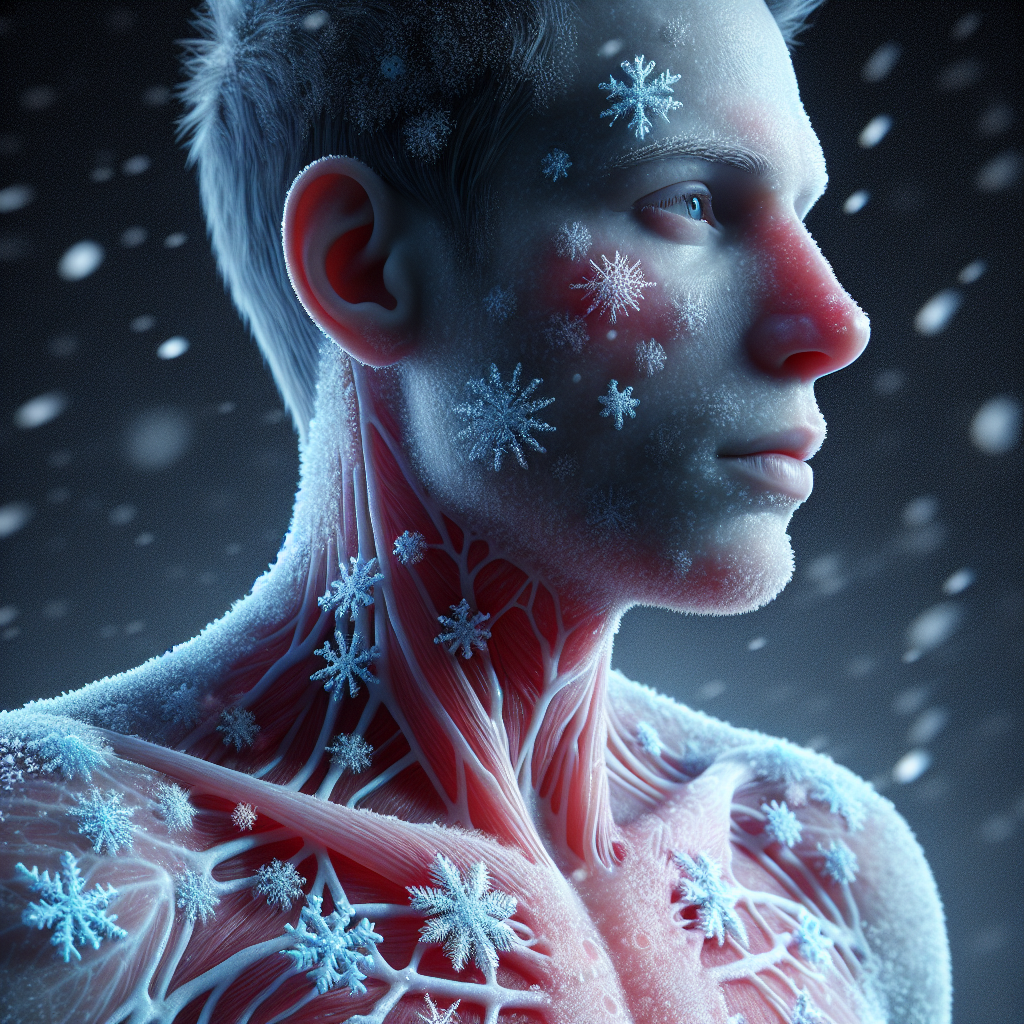

Imagine a snowball fight, a popsicle on a hot day, or a seaside dip in chilly waters that suddenly feels like an allergic reaction. This isn't a plot twist in a new age drama but the unruly reality called Cold Urticaria, affecting more people than you might think. It's an unusual skin reaction where exposure to cold causes hives, swelling, and even more severe allergic symptoms. Usually cropping up in young adults and teens, this condition springs up during wintry seasons or in colder climates, catching unsuspecting people off guard.
Cold Urticaria is a condition with its quirks. First timers might notice it after a brisk swim, feeling the sting of skin itching and swelling that matches the parts exposed to the cold. The why behind this mystery isn't crystal clear. Some say it's an immune system hiccup, where the body overreacts to cold and releases histamine, rousing hives and related symptoms. The link between one's cold snaps and this condition points to an allergy, yet with a twist—as thrilling as Spielberg's plots yet unsettling. It's seen more often in young adults, especially those braving colder corners of the earth or thriving in unpredictable climates.
For someone with Cold Urticaria, daily life tilts towards caution. Summer months might bring relief, but winter calls for layers and precaution. Even with central heating, opening a window suddenly can cause discomfort. For some, it's about avoiding that icy soda at parties or skipping the parade in snow-capped streets. Acknowledging technology and its role in crafting thermal clothing has been a savior, much like a Knight's armor against a cold front.
Still, our society sometimes falters in understanding what's unseen. The unintended judgment faced by those living with invisible or less commonly understood conditions like cold urticaria isn't uncommon. It prompts the need for wide-spread awareness as well as empathy—not just from the community but also from tech entrepreneurs and innovators who can push boundaries further.
Medical guidance is a trusty partner here. Anti-histamines are a common go-to, underpinning plans to prevent reactions before they begin. For some, it might mean something as simple as popping a pill before anticipating cold exposure, like a walk during frosty evenings. Yet, this interaction with medication can vary widely because, let’s face it, the body isn't a one-size-fits-all operand.
Thinking further, these concerns tease at a wider conversation on acceptance and understanding, society's role, and how to blend empathy into everyday dealings. Cold Urticaria, while not on the widespread illness map, tells us something about health norms we often take for granted. Highlighting stories is imperative for a tomor—or dare I say, a today—where understanding expands to cover the multitude of human experiences.
For Generation Z, who often champion inclusivity and push back on traditional norms, dealing with a condition like this makes one part of a narrative stressing adaptability and acceptance over cold stigmas. Growing up in a world where sharing is virtually second nature, they are in a unique position to redefine how such conditions are perceived and lived.
The empathy to acknowledge others' challenges can be groundbreaking, like choosing to walk in someone else's shoes. And in this case, making sure those shoes are insulated might just be the crisp, fresh start towards a more sympathetic world. Cold Urticaria's broader story isn't just about hives or chills; it integrates communities, sparks conversations, and potentially rewires the way health narratives are scripted.
Living with a chronic condition, minor or major, nudges us all—or at least it should—towards understanding the complexities of health. While some might dismiss such conditions as rare nuances, for those who live it, it’s a part of daily rhetoric. Whether in support, advocacy, or simply making informed life choices, Cold Urticaria exposes underlying stories of strength, resilience, and a fervent quest for warmth—both physically and metaphorically.