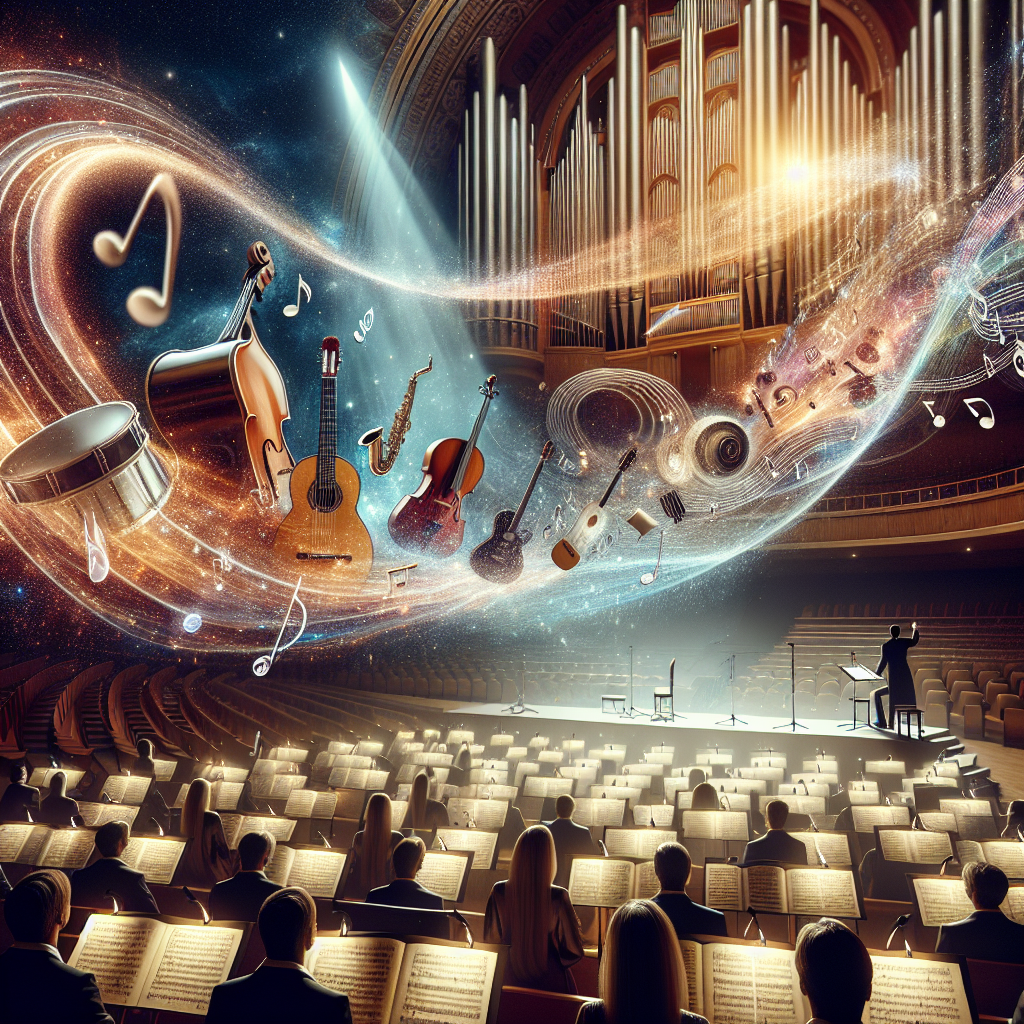

The Harmonious Legacy of the Church Music Association of America
Imagine a world where the ethereal sounds of sacred music echo through the halls of every church, creating a divine connection between the congregation and the heavens. This is the vision of the Church Music Association of America (CMAA), an organization dedicated to the preservation and promotion of sacred music within the Catholic Church. Founded in 1964, the CMAA has been a beacon for musicians, composers, and liturgists who are passionate about maintaining the rich tradition of Gregorian chant and polyphony. Based in the United States, the association serves as a hub for those who believe that music is an essential component of worship, enhancing the spiritual experience and fostering a deeper connection to faith.
The CMAA's mission is rooted in the belief that sacred music is not just an art form but a vital part of the liturgical life of the Church. They offer resources, workshops, and conferences to educate and inspire musicians and clergy alike. Their flagship event, the annual Sacred Music Colloquium, brings together individuals from all over the world to learn, sing, and celebrate the beauty of sacred music. This gathering is a testament to the universal appeal of the CMAA's mission, drawing participants from diverse backgrounds who share a common love for the Church's musical heritage.
While the CMAA's focus is on traditional forms of sacred music, it is important to acknowledge the broader context in which they operate. In recent decades, there has been a shift in many Catholic parishes towards more contemporary styles of worship music. This change reflects a desire to engage younger generations and make the liturgy more accessible. However, it has also sparked debate about the role of tradition versus innovation in the Church. The CMAA stands firmly in favor of preserving the time-honored practices of the past, arguing that they offer a unique and irreplaceable spiritual depth.
Critics of the CMAA's approach might argue that clinging to tradition can alienate those who find contemporary music more relatable. They suggest that the Church should evolve with the times to remain relevant and inclusive. This perspective is not without merit, as the Church must find ways to connect with a diverse and ever-changing congregation. However, proponents of the CMAA's mission believe that there is room for both traditional and contemporary music within the Church, each serving different purposes and audiences.
The debate over sacred music is a microcosm of a larger conversation about the role of tradition in modern society. As we navigate a world that is constantly changing, it is natural to question which aspects of our cultural heritage should be preserved and which should be adapted. The CMAA's work highlights the importance of maintaining a connection to the past while also being open to new ideas. By fostering a community of musicians and liturgists who are dedicated to the art of sacred music, the CMAA ensures that this rich tradition will continue to inspire future generations.
In a world where the noise of everyday life can be overwhelming, the Church Music Association of America offers a sanctuary of sound that transcends the mundane. Their commitment to preserving the beauty of sacred music is a reminder of the power of art to elevate the human spirit and connect us to something greater than ourselves. Whether you are a musician, a member of the clergy, or simply someone who appreciates the beauty of sacred music, the CMAA invites you to join them in their mission to keep this timeless tradition alive.