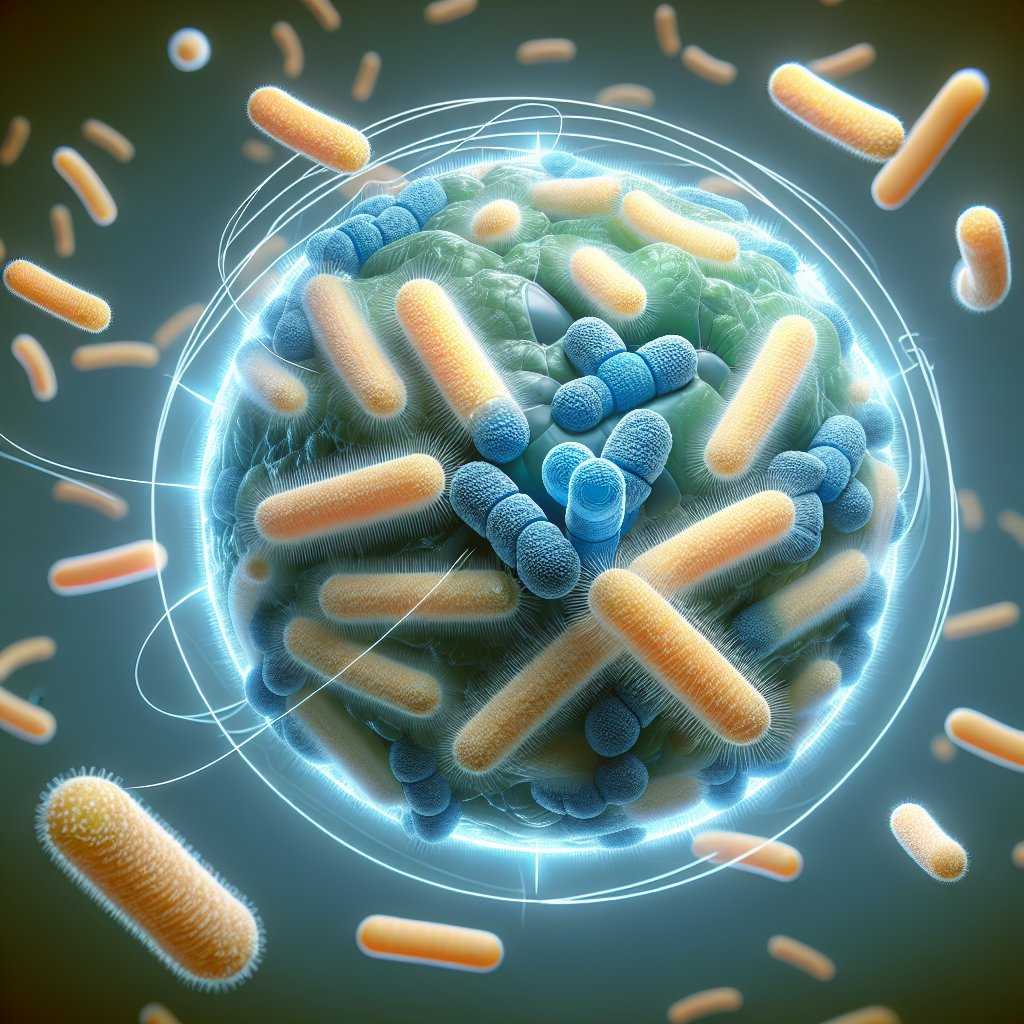

Let’s dive into the world of Chryseobacterium, a fascinating group of bacteria that sound like they belong in a sci-fi movie but are actually very real and closer to home than you might expect. Known for being found in a variety of environments ranging from soil to water systems, these bacteria aren’t just lurkers; they play active roles in the ecosystem. They first caught the scientific spotlight when they were isolated and identified in the late 1980s and early 1990s, taking root across various climates around the globe. But why should you care about these microscopic wonders? Their adaptability could teach us a lot about resilience and even have future implications for health and technology.
Chryseobacterium might not be a name you hear every day, but these bacteria have some notable qualities. For starters, they are found in soil, hospital environments, and other diverse habitats, surviving where many others cannot. This makes them both intriguing and relevant, especially considering they can show up in medical settings. Yes, sometimes Chryseobacterium can be linked to opportunistic infections, primarily in people with compromised immune systems. It’s like they’re the party crashers you didn’t invite but probably should have accounted for.
These bacteria might raise eyebrows because of their antibiotic resistance. Many Chryseobacterium species possess unique enzymes that make them tough against certain antibiotics, posing a challenge in medical treatment. But here’s where things get complex: while they can be troublesome, they also represent an opportunity for us to refine our approach to antibiotics, ensuring that these medications remain effective against all kinds of resistant strains in the future.
One might wonder how widespread these bacteria are. The fact is, they’re everywhere — from the depths of your showerhead to the soils that produce your vegetables. With climate change stirring the pot, the natural habitats of Chryseobacterium are also shifting, which could potentially increase their interactions with other species, including humans. That’s the part people often choose to ignore or sweep under the rug, but understanding these dynamics is crucial in preparing for a healthier, safer future.
It's fair to highlight that not all Chryseobacterium species are beadles of doom. Some have been isolated from healthy environments and don’t cause harm to humans or animals. Interestingly, certain species are known for producing enzymes that could be beneficial in biotechnology. The enzymes these bacteria produce can break down complex materials, which means they could be harnessed for everything from waste management to creating biofuels. Imagine a world where bacteria help clean up our mess instead of making it worse.
While there can be a slight tendency to dismiss these microscopic entities as insignificant or purely problematic, their capacity for adaptability and survival amid different conditions shows a remarkable side to bacteria that's often overlooked. This is where our scientific curiosity should take us, embracing a multi-faceted view of bacteria as both a challenge and an asset.
There's an element of apprehension in the scientific community regarding the rise of antibiotic-resistant bacteria, and rightly so. However, understanding species like Chryseobacterium might equip us with the tools to better confront these challenges. Working with nature’s adaptability, rather than against it, can open doors to innovations that were previously unimaginable.
Some replace panic with curiosity, engaging in the constant quest for solutions. Community-based research initiatives could prove instrumental, where scientists and citizen collaborators support wider surveillance and study of these adaptable bacteria. By embracing an open dialogue, society can work together within the framework of scientific discovery rather than existing within silos of fear and misinformation.
While some alarmists portray a doomsday scenario with bacteria like Chryseobacterium, not all is gloom and doom. There's hope, balance, and endless potential on the horizon of microbial research. After all, understanding our tiny compatriots could very well be the key to orchestrating a future where they serve us, perhaps by revolutionizing medicine, energy, and environmental care.
The world of Chryseobacterium is vast and varied, offering lessons in both caution and potential. They're more than a hazard; they're a prompt for change and innovation. The story of Chryseobacterium shows how interconnected we all are, with both big and small players making up the fabric of our shared existence. Sure, some might take the easier road of ignorance, but for the prying minds of the new generational thinkers, there's much to explore and even more to learn. Life at the microscopic level is vibrant, unpredictable, and above all, ours to both challenge and protect.