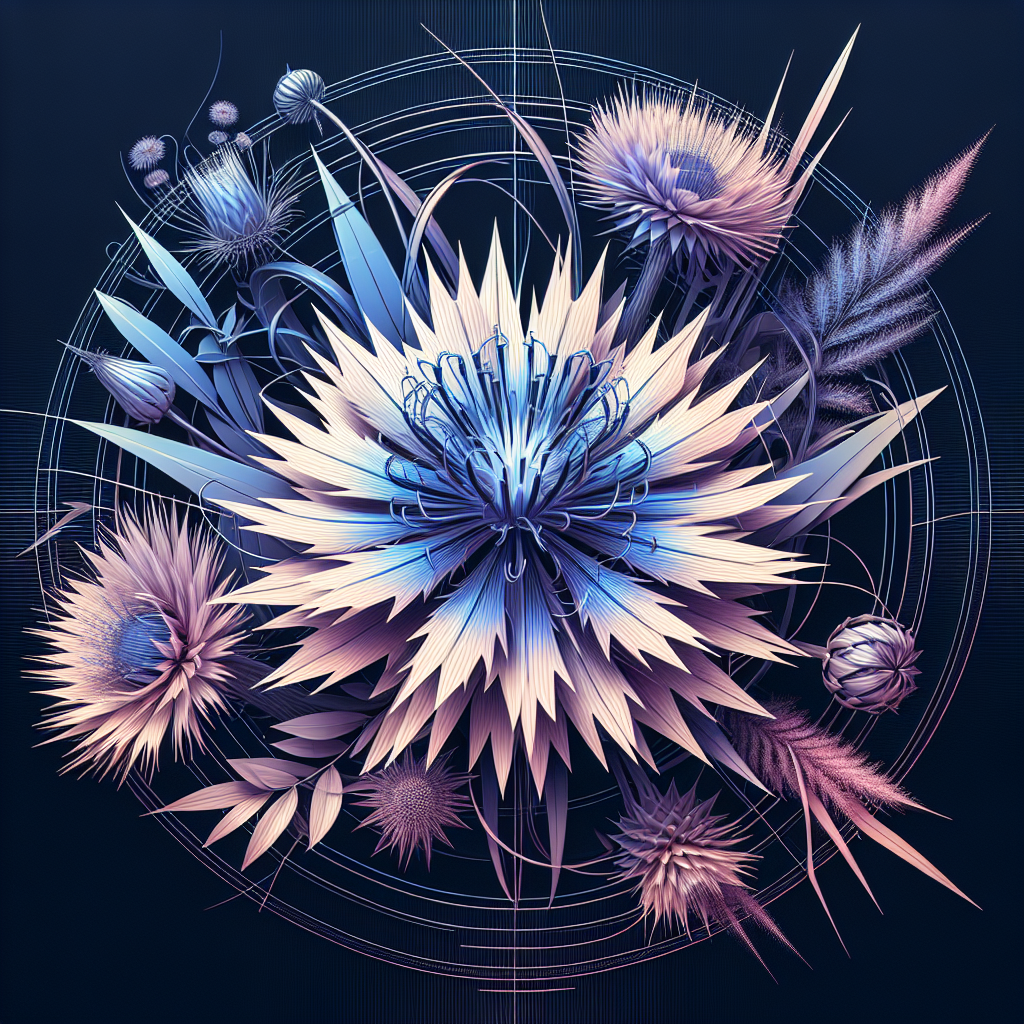

For a plant that sounds like the name of a mythical creature from a fantasy novel, Centaurea virgata is a real showstopper in the world of botany. Commonly known as the knapweed, this plant is native to the Middle East and parts of Europe. But don't let its charming, delicate flowers fool you. This plant plays a much bigger role in an ecological saga that's unfolding in today's ever-evolving environmental landscape.
Centaurea virgata, most identifiable by its purple-pink blooms and spiky, thistle-like crown, hit the North American botanical scene in the early 1900s. It was introduced as an ornamental plant, admired for its unique appearance and hardy nature. As we often see with things that adapt a bit too well, it didn't take long before it became an uninvited guest in many ecosystems, particularly in western U.S. states like Montana and Idaho.
Now, it's a bit of a paradox. On the one hand, Centaurea virgata is quite beautiful, filling fields with vibrant colors during its blooming period, which usually ranges from June to late summer. On the other hand, it's listed as an invasive species in several regions. The way it spreads, often outcompeting native flora, is causing concern among environmentalists and ecologists.
Invasive species like Centaurea virgata illustrate a broader issue. They spotlight the consequences of human activity on ecosystems. As soon as these plants take hold in a new territory, they affect local ecosystems profoundly. They can drastically alter soil nutrients, reduce the availability of forage for animals, and even change fire regimes, increasing the frequency and intensity of wildfires.
For many, this brings up an ethical conundrum. How do we balance the aesthetic and ecological value of non-native species while ensuring that our native ecosystems aren't overtaken or destroyed? However, stepping into the shoes of a gardener who loves the plant for its unique allure, you understand the urge to have it as a part of your landscape. Is it really fair to paint it as the villain here?
To manage the spread of Centaurea virgata, scientists and local governments employ various methods. Mechanical removal, chemical herbicides, and even biological controls, such as the European weevil, have been used to keep its population in check. Each method comes with its pros and cons. While chemicals can be effective, they risk harming surrounding flora and fauna. Biological control is a more targeted approach but requires careful monitoring to ensure it does not create another issue.
You might wonder why standard gardening can't incorporate a plant like Centaurea virgata responsibly. It's all about balance and understanding. There's a greater appreciation now, especially among younger generations, for practices that don't dominate but rather coexist with nature. Ecological gardening emphasizes diversity, native plant species, and sustainable practices, respecting the line between enjoying a plant's beauty and protecting ecological integrity.
What's more, learning about plant life such as Centaurea Virgata opens the door to conversations about biodiversity, climate change, and conservation. It's a topic that makes us think more critically about our actions and their impact on the world around us. It shows us the importance of knowing the history and potential effects of the plants we choose to cultivate.
In this digital age, information dissemination is faster than ever. Platforms like TikTok, Instagram, and Snapchat are powerful tools to spread awareness about invasive species like Centaurea Virgata. Many use these platforms to share personal stories, tips for plant management, or just to document and discuss the beautiful complexities of nature.
Environmental education is essential, and breaking the issue down into digestible pieces across these channels makes it more accessible to the younger generations. We start to see a shift in attitudes—transitioning from seeing plants merely as commodities to appreciating them as critical components of our Earth’s ecosystems.
Ultimately, Centaurea Virgata can teach us. It tells tales of beauty and resilience but also warns us about the consequences of imbalance in nature. It invites us to open a dialogue on responsible environmental stewardship, nurture empathy for different points of view, and inspires actions that respect the delicate equilibrium our planet requires.