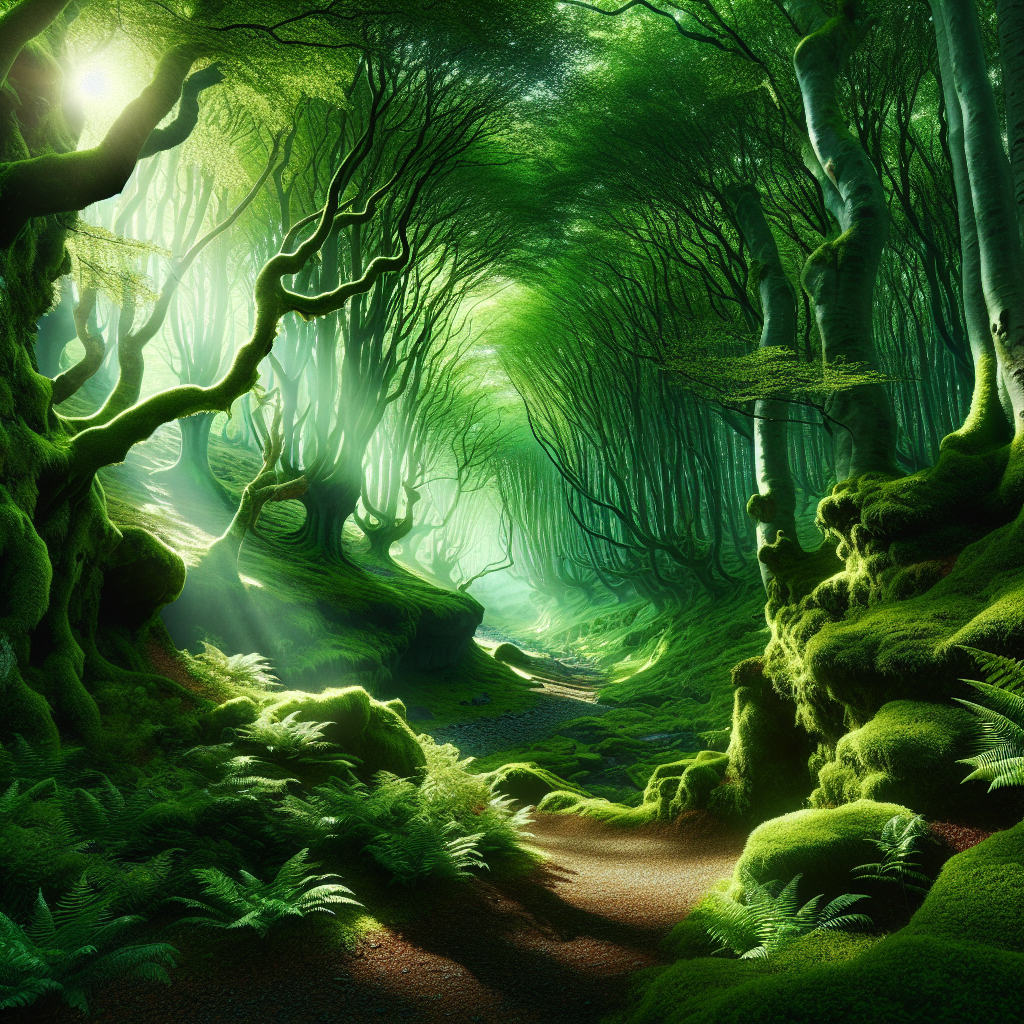

Imagine trees that seem almost ancient, whispering forgotten secrets of druids and olden magic. Welcome to the captivating world of Celtic broadleaf forests, a natural wonder thriving mainly across parts of Ireland and the United Kingdom. These lush green sanctuaries are not just a backdrop for mythical tales but hold ecological treasures crucial to our planet. Found mostly in areas of temperate Europe, they have provided resources for inhabitants like the Celts for millennia, not only for survival but for peering into the soul of nature.
The Celtic broadleaf forests, composed mainly of native oak, ash, and birch trees, create a precious ecosystem rife with varied flora and fauna. While they form the mystical landscapes of folklore, their reality is just as fascinating. These forests are biodiversity hotspots, offering shelter to thousands of species ranging from mighty deer to humble moss. Moreover, they serve as vital carbon sinks, contributing to the fight against climate change by absorbing atmospheric CO2 and offering cleaner air. But despite being timberlands of tales, they face numerous threats that challenge their ancient tranquility.
Deforestation looms large over Celtic broadleaf forests, accelerated by agriculture and urban development. By clearing these lands for growth, we not only destroy habitats but also alter local weather patterns and waterways. The spread of non-native species, brought by globalization, threatens the delicate balance that these native forests have upheld over centuries. These invaders, often more adaptable, outcompete endemic species, leading to loss of biodiversity. Thus, the fate of these forests is intricately tied to contemporary debates on sustainable development, as finding a balance is crucial for their continued existence.
Young activists have voiced their concerns passionately, understanding the importance of preserving their natural heritage. They advocate for stronger conservation measures, pushing for policies that not only protect but also revitalize these natural reserves. By promoting reforestation efforts and supporting biodiversity-friendly practices, they aim to keep the Celtic forests lush for future generations. Despite their limited political power, their voices have resonated globally, reminding us that safeguarding these green havens is both an intergenerational responsibility and a practical necessity.
In contrast, some argue that human development cannot be stifled by nostalgic reverence for nature. The opposing view often highlights economic growth, suggesting that prioritizing forest preservation hampers progress. They believe in finding innovative solutions where development and conservation can coexist. While this perspective raises valid questions about balancing needs, it is crucial to remember that once these ancient forests are gone, they are irreplaceable in their entirety. Our technological innovations mean little if they don't protect the very earth that sustains us.
The delicate beauty of Celtic broadleaf forests is something to be marvelled at, whether you find yourself walking beneath their canopies or learning about their intricate ecosystems. These forests show us that not all that is old must be forsaken, but cherished for the wisdom and life they represent. In an era of rapid change, finding the synergy between preserving nature and empowering human progress may just be the key to a viable future.
By encouraging policies at both community and governmental levels that are ecologically sound, we can teach Gen Z the importance of nature and sustainable development. After all, the majesty of the Celtic broadleaf forests doesn’t just lie in their past, but also in how they can shape our future.