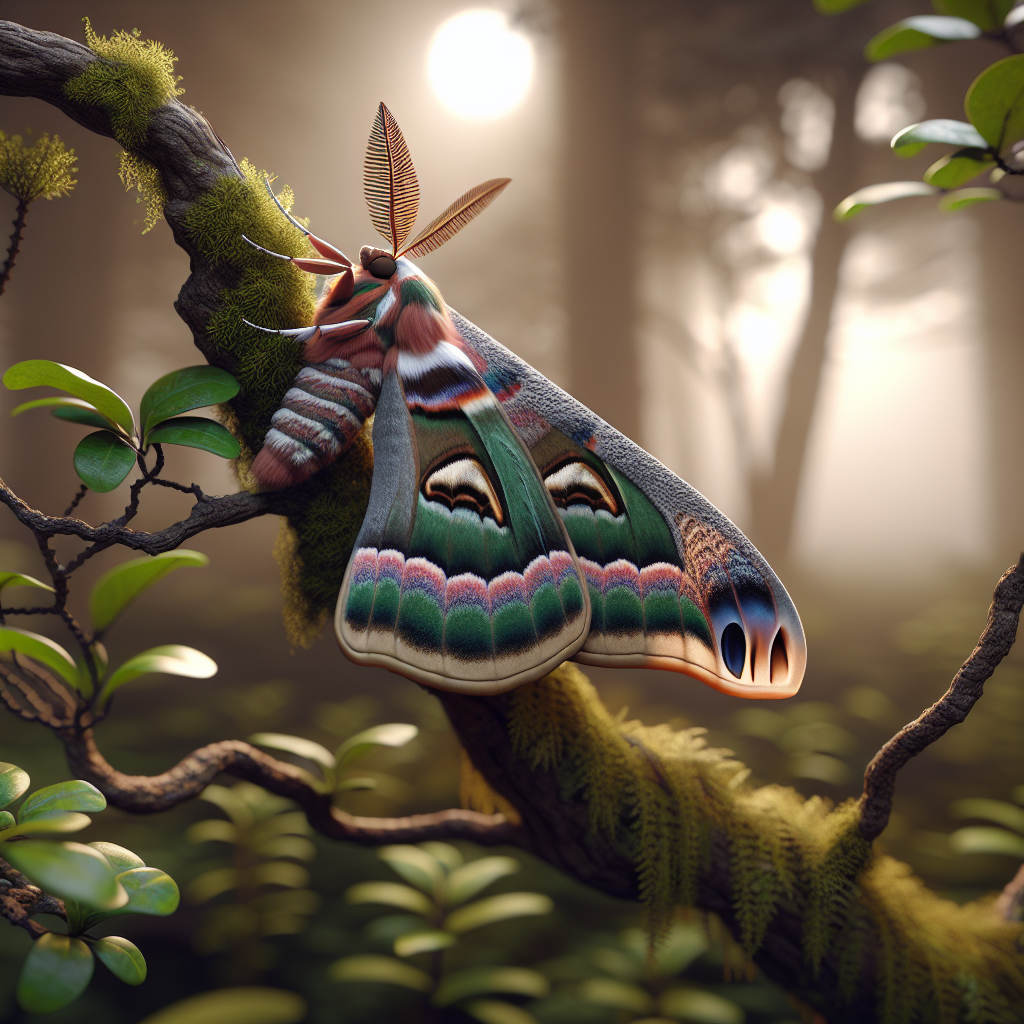

The Enigmatic Catocala Nymphagoga: A Moth with a Story
Imagine a creature that thrives in the shadows, its beauty revealed only when it chooses to unveil its vibrant underwings. Meet the Catocala nymphagoga, a moth species that has intrigued entomologists and nature enthusiasts alike. This fascinating insect, commonly known as the Oak Yellow Underwing, is part of the Erebidae family and can be found fluttering through the woodlands of Europe and parts of Asia. Its presence is most notable during the late summer and early autumn months, when it emerges to play its part in the ecosystem.
The Catocala nymphagoga is a master of disguise. Its forewings are a mottled gray and brown, allowing it to blend seamlessly into the bark of oak trees, its primary habitat. This camouflage is crucial for its survival, as it helps the moth avoid predators. However, when threatened or in flight, it reveals its strikingly beautiful hindwings, which are a bright yellow with bold black bands. This sudden flash of color can startle predators, giving the moth a chance to escape.
The lifecycle of the Catocala nymphagoga is as intriguing as its appearance. The moth lays its eggs on the bark of oak trees, where they remain dormant through the winter. Come spring, the larvae hatch and begin to feed on the leaves of the oak, growing and molting until they are ready to pupate. By late summer, the adult moths emerge, ready to continue the cycle. This reliance on oak trees highlights the interconnectedness of species within an ecosystem and the importance of preserving natural habitats.
While the Catocala nymphagoga is not currently considered endangered, its existence is a reminder of the delicate balance within ecosystems. Deforestation and habitat loss pose significant threats to many species, including this moth. The decline of oak forests due to human activity could have a ripple effect, impacting not only the Catocala nymphagoga but also the myriad of other species that rely on these trees for survival.
From an environmental perspective, the Catocala nymphagoga serves as a symbol of the need for conservation efforts. Protecting natural habitats ensures the survival of countless species and maintains biodiversity, which is crucial for the health of our planet. For those who may not be as invested in environmental issues, the moth's story can still resonate as a testament to the beauty and complexity of nature.
On the other hand, some may argue that focusing on the conservation of a single moth species is less important than addressing broader environmental issues. They might suggest that resources should be directed towards combating climate change or protecting larger, more charismatic animals. While these concerns are valid, it's important to recognize that every species plays a role in its ecosystem, and the loss of even a single species can have unforeseen consequences.
The Catocala nymphagoga, with its captivating appearance and intriguing life cycle, offers a glimpse into the wonders of the natural world. It reminds us of the importance of preserving the environments that support such diversity. Whether you're an avid nature lover or someone who simply appreciates the beauty of a moth's wings, the story of the Catocala nymphagoga is a call to action for us all to protect the planet we share.