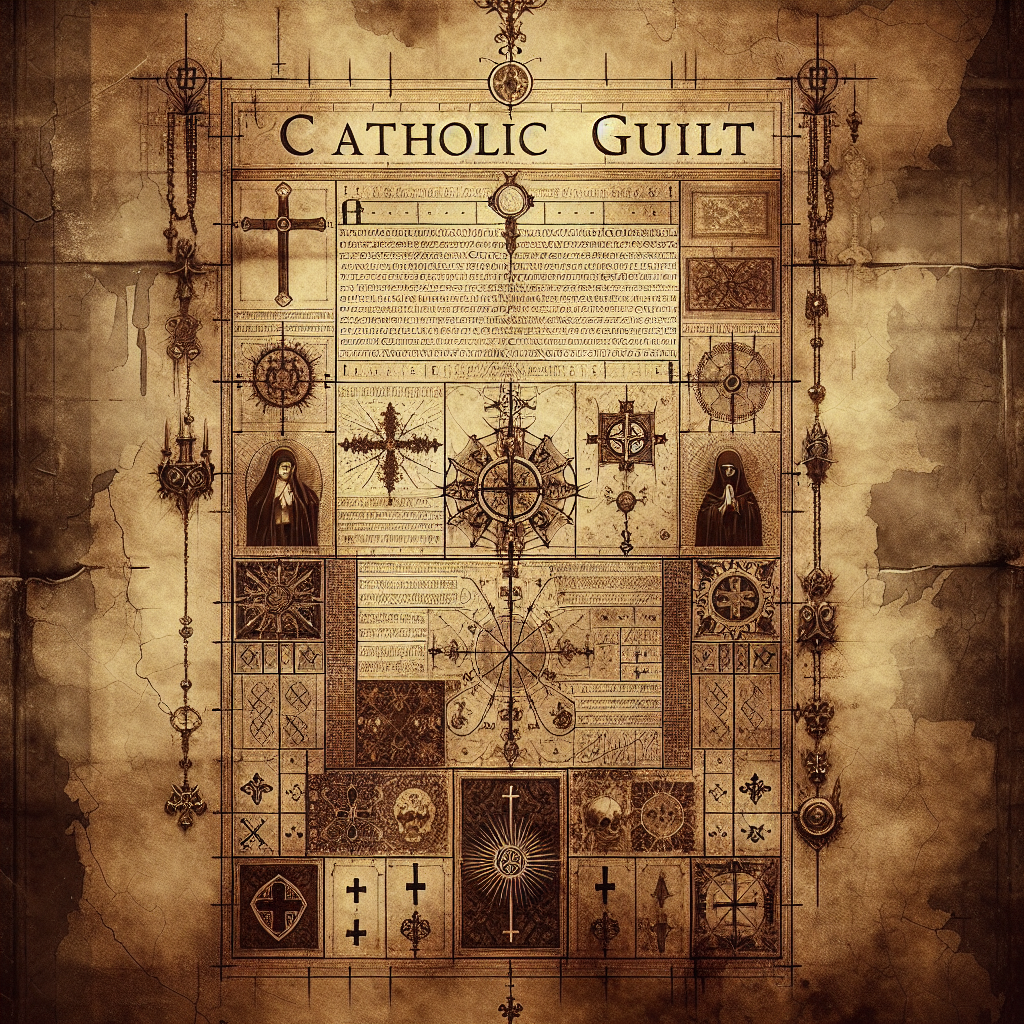

The Weight of Catholic Guilt: A Heavy Cross to Bear
Imagine carrying an invisible backpack filled with bricks everywhere you go. That's what Catholic guilt can feel like for many people. This phenomenon is a psychological burden experienced by some individuals raised in the Catholic faith, where guilt and shame are often intertwined with religious teachings. It has been a topic of discussion for decades, particularly among those who have left the church or are questioning their faith. The roots of Catholic guilt can be traced back to the church's emphasis on sin, confession, and penance, which have been central to Catholic doctrine for centuries. This guilt is not confined to a specific location; it is a global experience shared by Catholics around the world, from the bustling streets of New York City to the quiet villages of Ireland. The question of why Catholic guilt persists is complex, involving a mix of religious, cultural, and psychological factors.
Catholic guilt often stems from the church's teachings on sin and morality. From a young age, Catholics are taught about the concept of original sin and the importance of confession to cleanse one's soul. This can create a mindset where individuals constantly evaluate their actions through a moral lens, fearing divine judgment. The sacrament of confession, while intended to offer forgiveness and relief, can sometimes reinforce feelings of guilt and inadequacy. The idea that one must confess sins to a priest to receive absolution can lead to a cycle of guilt and repentance, where individuals feel they are never quite good enough.
For many, Catholic guilt is not just about religious teachings but also about cultural expectations. In predominantly Catholic communities, there can be a strong emphasis on adhering to religious norms and traditions. This can create pressure to conform, leading to feelings of guilt when one strays from the expected path. The fear of disappointing family and community members can weigh heavily on individuals, compounding the guilt they already feel from their religious upbringing. This cultural aspect of Catholic guilt can be particularly challenging for those who are questioning their faith or considering leaving the church.
It's important to acknowledge that not all Catholics experience this guilt in the same way. For some, the teachings of the church provide comfort and guidance, helping them navigate life's challenges. However, for others, the emphasis on sin and repentance can be overwhelming, leading to anxiety and self-doubt. This is where empathy and understanding come into play. It's crucial to recognize that everyone's experience with religion is unique, and what may be a source of strength for one person can be a source of distress for another.
Critics of the concept of Catholic guilt argue that it can be damaging to mental health, fostering a sense of unworthiness and self-criticism. They suggest that the church should focus more on the positive aspects of faith, such as love, compassion, and community, rather than on sin and punishment. On the other hand, some defenders of the church's teachings argue that guilt can serve as a moral compass, guiding individuals to make better choices and live more virtuous lives. They believe that guilt, when understood and managed properly, can lead to personal growth and spiritual development.
For those struggling with Catholic guilt, finding a balance between religious beliefs and personal well-being is key. This might involve re-evaluating one's relationship with the church, seeking therapy, or exploring other spiritual practices. It's essential to find a path that aligns with one's values and promotes mental health. Open conversations about the impact of religious teachings on mental health can also help break the stigma surrounding Catholic guilt, encouraging individuals to seek support and understanding.
Catholic guilt is a complex and multifaceted issue that affects many people in different ways. It is deeply rooted in religious teachings and cultural expectations, but it is not insurmountable. By fostering empathy and understanding, we can create a space where individuals feel free to explore their beliefs and find peace with their faith. Whether one chooses to remain within the church or seek a different spiritual path, the goal should be to live a life that is fulfilling and true to oneself.