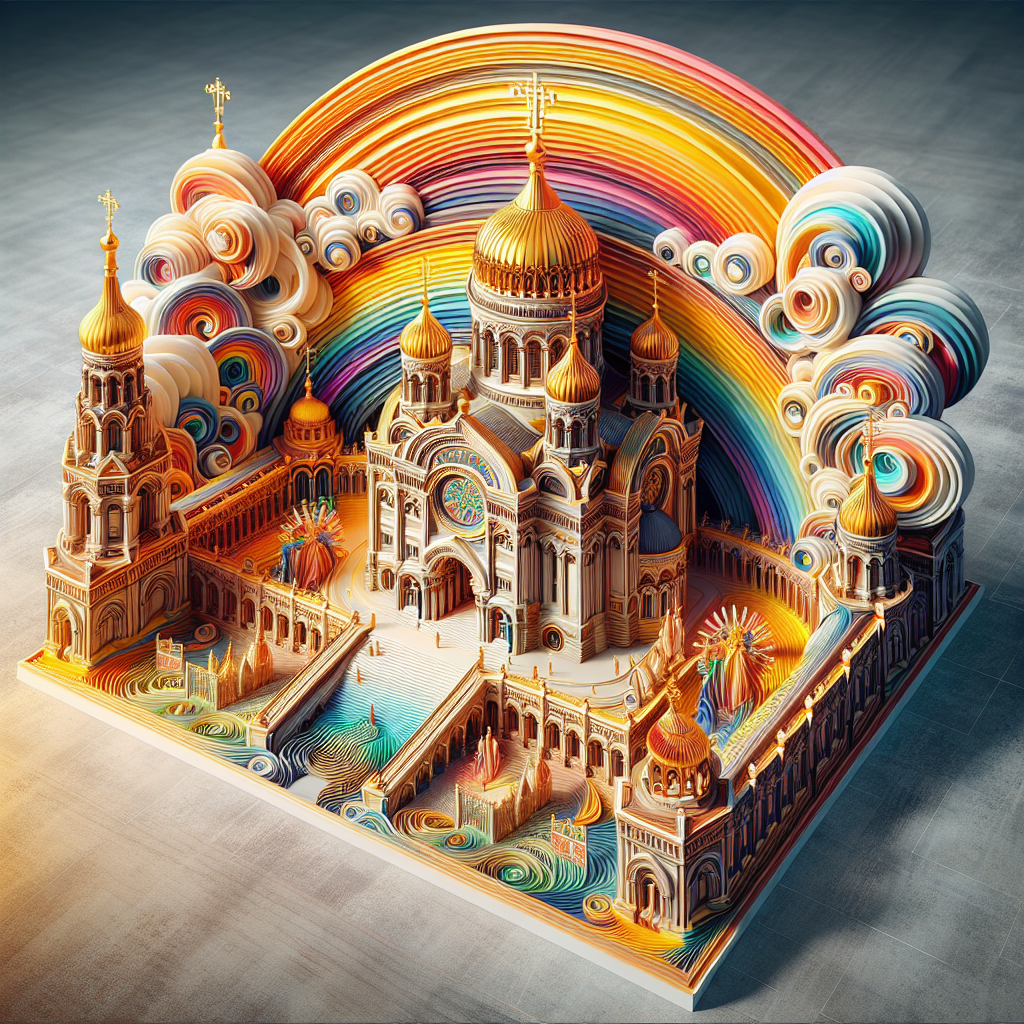

The Cathedral of the Archangel: A Timeless Marvel in Moscow
Imagine stepping into a world where history whispers through the walls, and every stone tells a story of power, faith, and artistry. That's exactly what you experience when you visit the Cathedral of the Archangel, a stunning architectural masterpiece located within the Kremlin in Moscow, Russia. Built between 1505 and 1508 under the reign of Grand Prince Ivan III, this cathedral stands as a testament to the rich cultural and religious heritage of Russia. It was designed by the Italian architect Aloisio the New, who infused the structure with a blend of Russian and Italian Renaissance styles, creating a unique and captivating aesthetic.
The Cathedral of the Archangel is not just a beautiful building; it holds immense historical significance. It served as the main burial place for Russian tsars and grand princes until the capital was moved to St. Petersburg. The cathedral houses the tombs of many notable figures, including Ivan the Terrible and his sons. This makes it a place of great reverence and a symbol of the continuity of Russian leadership and the Orthodox faith.
For many, the cathedral is a place of spiritual reflection and connection to the past. Its interior is adorned with stunning frescoes and icons, each depicting scenes from the Bible and the lives of saints. These artworks are not only religious symbols but also cultural treasures that have been preserved for centuries. The cathedral's iconostasis, a wall of icons and religious paintings, is particularly impressive and is considered one of the finest examples of Russian iconography.
However, the Cathedral of the Archangel is not just a relic of the past. It continues to be a place of worship and a site for important religious ceremonies. This ongoing use highlights the enduring importance of the cathedral in Russian religious life. It also serves as a reminder of the deep-rooted traditions that continue to shape the country's identity.
While the cathedral is a source of pride for many Russians, it also sparks debate about the role of religion in modern society. Some argue that the preservation of such historical sites is essential for maintaining cultural heritage and national identity. Others believe that resources could be better spent addressing contemporary social issues. This tension between preserving the past and addressing the present is a common theme in discussions about cultural heritage sites worldwide.
Visiting the Cathedral of the Archangel offers a unique opportunity to explore these complex themes. It invites reflection on the ways in which history, religion, and culture intersect and influence one another. For those who appreciate art and architecture, the cathedral is a visual feast, offering a glimpse into the artistic achievements of the past. For those interested in history, it provides a tangible connection to the lives and legacies of Russia's rulers.
In a world that is constantly changing, the Cathedral of the Archangel stands as a symbol of resilience and continuity. It reminds us of the power of faith and the enduring impact of history on our lives. Whether you are drawn to its beauty, its history, or its spiritual significance, the cathedral offers something for everyone. It is a place where the past and present coexist, inviting visitors to reflect on their own place in the world and the legacy they will leave behind.