
Imagine a world where oranges and lemons were more than just thirst-quenchers; they were the very essence of scientific curiosity. Carvonic acid, a lesser-known yet fascinating compound, is a perfect example of this intersection between nature and science. It's a naturally occurring substance found in the essential oils of numerous plants, including those delicious citruses we love. While our love affair with citrus flavors spans centuries, chemically understanding what makes them tick has only been in the spotlight more recently with the help of dedicated scientists worldwide.
So, what exactly is carvonic acid? To put it simply, it's an organic compound, specifically part of a group known as terpenoids. Terpenoids are the chemicals responsible for the fragrant aroma of many plants and can have all sorts of beneficial properties. Carvonic acid is no exception; its unique structure makes it both an interesting subject for study and a component with potential uses in various fields ranging from medicine to industry.
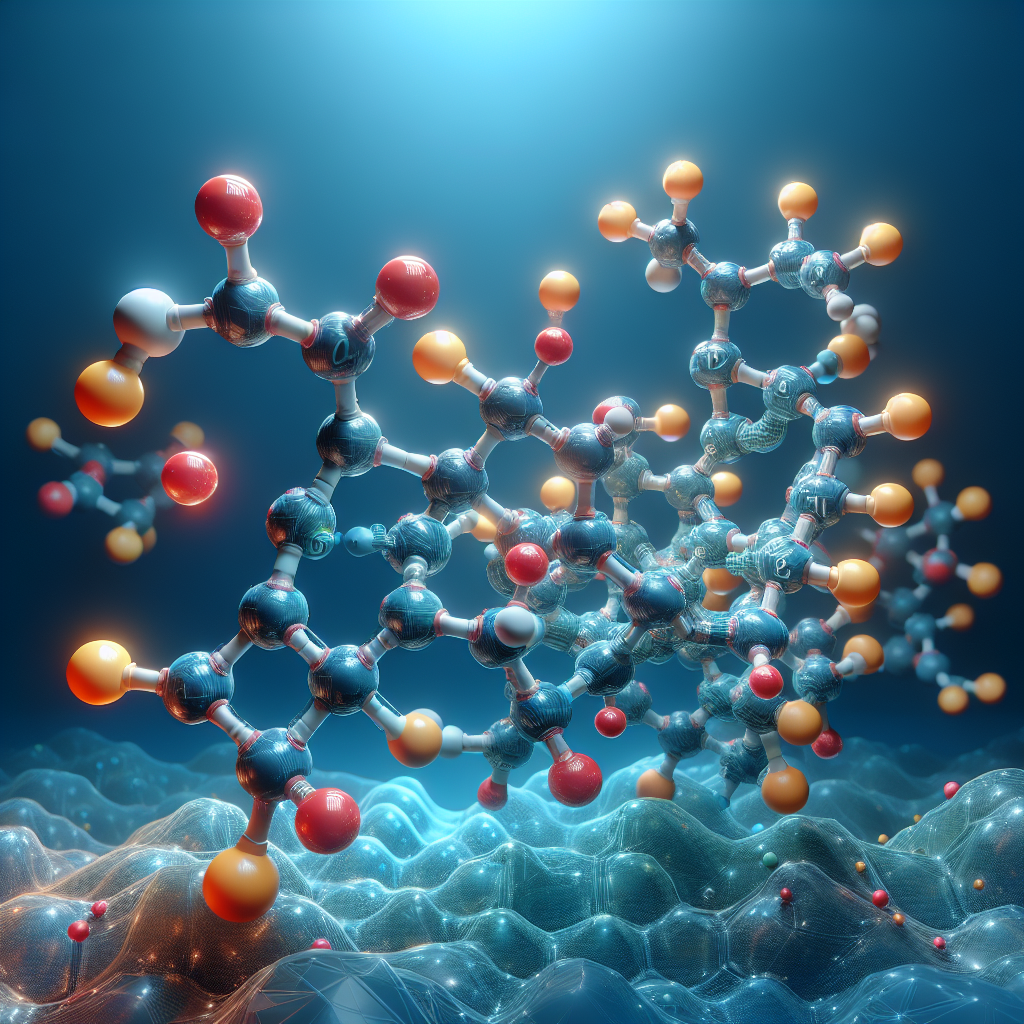
Chemistry can sometimes feel like a realm dominated by interminable calculations and complex equations. However, carvonic acid offers a more tangible glimpse into this world. The structure of carvonic acid comprises rings of carbon atoms and functional groups that lend it certain chemical behaviors. It's like nature decided to give chemists a complex puzzle to figure out, challenging them to learn about its properties and uses.
Currently, research on carvonic acid isn't just about understanding how it works or what it can do. Scientists are striving to discover sustainable methods to synthesize it. This meets the growing demand for environmentally friendly processes while reducing dependency on natural extraction, which can be costly and sometimes detrimental to the environment. Sustainable synthesis methods can help in producing larger quantities without compromising our planet.
Moreover, many researchers are exploring the bioactive properties of carvonic acid. With more people looking toward natural remedies, there's growing interest in understanding its potential as a component in pharmaceuticals. Imagine a future where some medicines harness the power of natural products like carvonic acid, offering treatments with fewer side effects thanks to chemistry's harnessing of nature's riches.
While the focus is often on the potential positives of such compounds, it's important to acknowledge differing perspectives. For instance, some skeptics argue that the hype around organic compounds like carvonic acid may lead to unrealistic expectations in the health industry. They caution that without sufficient long-term studies, chasing after a single compound's benefits might overshadow holistic health approaches or cause unforeseen issues down the line. This skepticism isn't necessarily a negative stance but a reminder of the complexity surrounding scientific discovery and the need for rigorous testing and understanding of long-term effects.
In parallel, the surge in industrialization of natural resources for compounds like carvonic acid raises concerns about economic and ecological impacts. Efficient extraction and synthesis should ensure sustainability, yet regulation and oversight are critical to make sure that these processes don’t inadvertently harm ecosystems or contribute to economic inequality, where only certain groups benefit from the profits.
Gen Z is uniquely situated at the forefront of this evolving dialogue. With a keen awareness of environmental and social issues, younger generations demand transparency and responsibility from industries and researchers alike. Navigating through the enthusiasm and skepticism of compounds like carvonic acid is part of a broader conversation about our relationship with nature and how we harness it for our benefit.
As our understanding of carvonic acid continues to expand, every new discovery has the potential to reshape how we perceive natural compounds. Whether it's the promise of new medicines, sustainable industrial applications, or environmental considerations, each angle presents a new piece of the puzzle. The challenge and opportunity lie in balancing optimism with practicality, ensuring that discoveries like those surrounding carvonic acid benefit society holistically.
In many ways, carvonic acid serves as a node connecting multiple spheres of influence: science, industry, environmentalism, and health. It's a living testament to how deeply interconnected our world is and how chemistry can be both a beacon of progress and a cautionary tale. By recognizing both the possibilities and the pitfalls, we can start crafting a future that respects our planet and leverages its resources responsibly.